TimeX Trading Fee Calculator
Calculate Your TimeX Trading Fees
TimeX charges 0.15% for maker orders and 0.25% for taker orders. Calculate your fees based on your trade size.
Trade Fee Estimate
Trade Type:
Trade Amount:
Looking for a crypto exchange that balances regulatory safety with the freedom of a non‑custodial platform? TimeX crypto exchange promises exactly that, but does it live up to the hype? This review breaks down the tech, the compliance, the fees, and the user experience so you can decide if it fits your trading style.
What is TimeX?
TimeX is a hybrid cryptocurrency exchange launched in 2019 by the Australian blockchain firm Chrono.tech. The platform blends a centralized order‑matching engine with on‑chain settlement using Ethereum Plasma technology, creating what the company calls a "non‑custodial plasma‑based exchange". In practice, you place orders on a fast web UI, and once the trade is filled the settlement is recorded on a Plasma side‑chain, giving you the speed of a CEX and the security of a DEX.
Regulatory standing and compliance
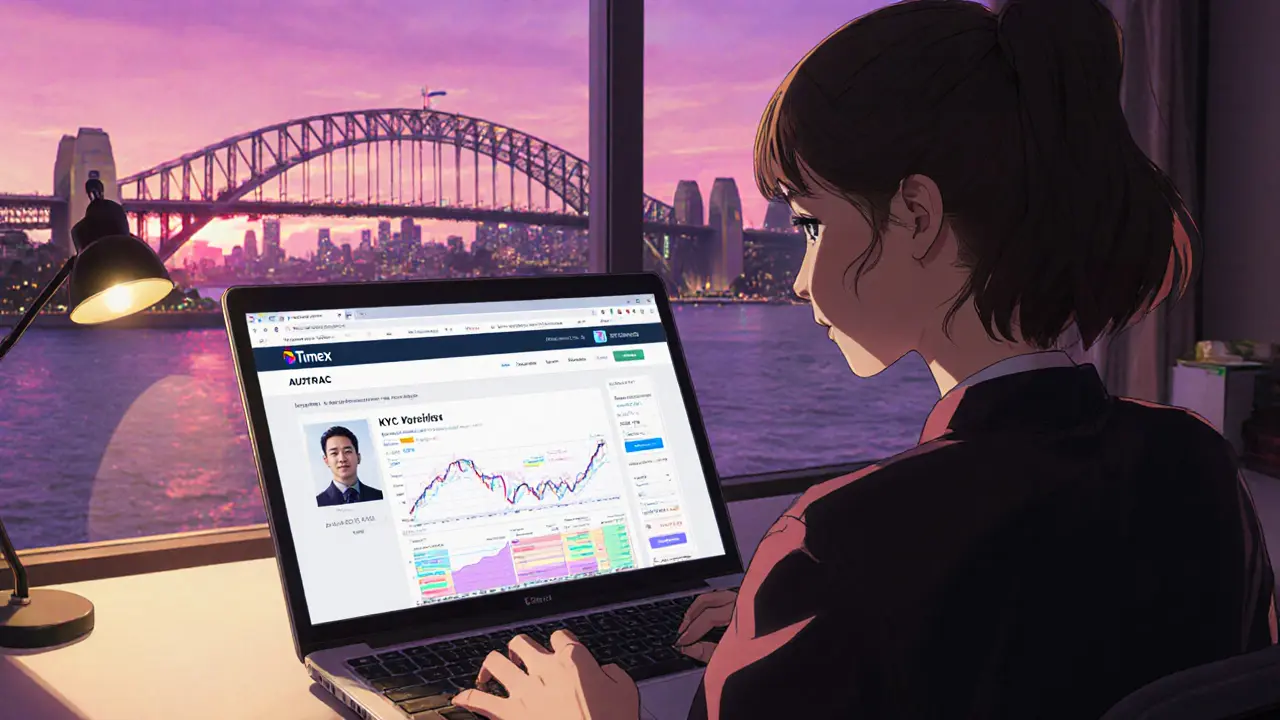
The biggest selling point for Australian traders is that TimeX operates under an AUSTRAC licence. AUSTRAC is Australia’s anti‑money‑laundering and counter‑terrorism financing authority, so the exchange must perform KYC, AML checks, and report suspicious activity. This regulatory layer sets TimeX apart from purely decentralized platforms that have no oversight.
Signing up requires a passport or driver’s licence plus a selfie, and Australian users verify their identity through myGovID. The process usually wraps up in 1-3 business days. Because the exchange is non‑custodial, your private keys stay in a wallet you control, but the platform still has to collect identity data for compliance - a hybrid approach that satisfies both regulators and privacy‑conscious users.
Trading features and supported assets
TimeX offers spot trading and an over‑the‑counter (OTC) desk for large orders. The exact number of listed coins varies by source, but the exchange consistently supports over 30 major cryptocurrencies, with some reports indicating more than 50 when new tokens are added. Popular pairs like BTC/AUD, ETH/USD, and SOL/AUD are readily available.
Fiat on‑ramps are limited to USD and AUD, processed via Volet (formerly ADVCash) and traditional bank wires. There are no credit‑card deposits, which can be a hurdle for newcomers who prefer instant top‑ups.
For charting, TimeX embeds TradingView widgets, giving you access to a full suite of technical indicators. The platform also provides a REST and WebSocket API for algorithmic traders, though documentation can be sparse and some developers have reported having to reverse‑engineer endpoints.
Security and the non‑custodial model
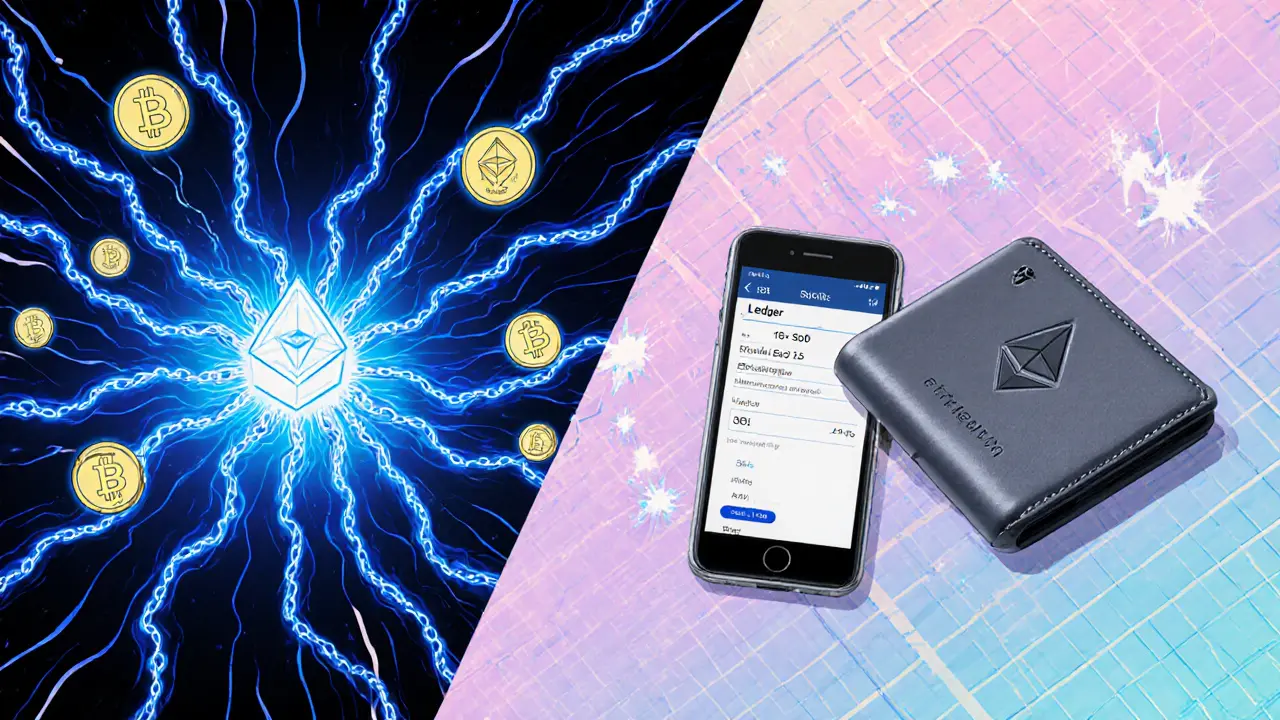
When you create an account, TimeX generates a 12‑word mnemonic that serves as your private key backup. You are encouraged to write it down and store it offline. Two‑factor authentication (2FA) is mandatory for logins and withdrawals.
The settlement engine uses Ethereum Plasma a layer‑2 scaling solution that batches transactions off‑chain before committing them to the main Ethereum network. According to Chrono.tech’s whitepaper, this reduces settlement times to 15-30 seconds, a noticeable improvement over typical DEX settlement times of 2-3 minutes.
Hardware wallet support is solid: both Ledger and Trezor devices can be linked to your TimeX account for extra protection. However, because there is no mobile app, you can’t use these wallets on the go.
User experience: web UI, mobile gap, and support
The web interface mirrors the familiar TradingView layout. New users can place a basic market order within 30 minutes of signing up, according to usability tests. The dashboard shows real‑time order books, price charts, and a quick‑trade panel.
The missing mobile app is the most frequent complaint. Reviews on Trustpilot and Reddit point out that active traders feel “handcuffed” when they can’t monitor markets from their phones. TimeX has promised a mobile release for 2026, but as of October 2025 there’s nothing to download.
Customer support is reachable via email and a 24/7 live chat widget. Average response time sits around 24 hours, and user satisfaction with support resolutions is about 82%. There is no phone line, which some power‑users find limiting.
Fees, liquidity, and performance
Trading fees follow a maker‑taker model, ranging from 0.15% (maker) to 0.25% (taker) depending on monthly volume. Deposit fees are nil, while withdrawal fees are modest - a flat AUD5 for bank wires and a variable network fee for cryptocurrency transfers.
Daily trading volume sits near US$21million, placing TimeX around the middle of the Australian exchange landscape. Liquidity is adequate for retail‑size trades, but larger orders (over US$50000) can experience slippage, prompting users to switch to the OTC desk.
Compared with global giants like Binance, which boasts billions in daily volume, TimeX’s liquidity is modest. However, the AUSTRAC licence gives Australian traders confidence that their funds are not sitting on an unregulated platform.

Pros, cons, and who should use TimeX
- Pros: AUSTRAC‑regulated, fast Plasma settlement, native AUD on‑ramps, hardware‑wallet support, 24/7 chat.
- Cons: No mobile app, limited fiat options (USD & AUD only), no margin or derivatives, relatively narrow asset list, no investor protection fund.
TimeX shines for Australian residents who need a compliant way to trade crypto with AUD, especially beginners who appreciate the guided UI and strong KYC process. Professional traders looking for high‑leverage products, a wide range of fiat pairs, or a mobile trading solution will likely find the platform too restrictive.
How TimeX stacks up against other exchanges
| Feature | TimeX | Coinbase (CEX) | Uniswap (DEX) |
|---|---|---|---|
| Regulation | AUSTRAC‑licensed (Australia) | US FinCEN‑registered, multiple licenses | None (decentralized) |
| Custody | Non‑custodial (user holds private keys) | Custodial (Coinbase holds keys) | Non‑custodial |
| Settlement speed | 15‑30seconds (Plasma) | Near‑instant (central order book) | 2‑3minutes (on‑chain) |
| Mobile app | None (web‑only) | iOS & Android | Web & mobile wallets |
| Fiat support | USD, AUD | 20+ fiat currencies | None (native tokens only) |
| Derivatives | No margin, no futures | Futures, options | No derivatives |
| Liquidity (24h volume) | ≈$21M | ≈$45B | ≈$2B |
The table shows why TimeX is a niche player: strong compliance and fast settlement, but limited product depth and no mobile presence.
Frequently Asked Questions
Is TimeX safe for storing my crypto?
Safety comes from two factors: the AUSTRAC licence, which forces the exchange to follow AML/KYC rules, and the non‑custodial design that lets you keep your private keys. As long as you safeguard your 12‑word mnemonic and enable 2FA, your assets stay under your control.
Can I trade on TimeX from outside Australia?
TimeX accepts users from most countries but blocks residents of the UnitedStates, North Korea, Iran, Syria, and Myanmar. If you’re outside the blocked list you can sign up, though you’ll only have USD and AUD fiat options.
What fees does TimeX charge for spot trading?
The maker fee starts at 0.15% and the taker fee at 0.25%. Fees drop as your monthly volume climbs, reaching as low as 0.10% maker and 0.20% taker for high‑volume traders.
Does TimeX offer margin or futures trading?
No. The platform focuses on spot and OTC trades only. If you need leverage, you’ll have to look at larger centralized exchanges.
How does the TIME token fit into the ecosystem?
TIME token is an ERC‑20 utility token issued by Chrono.tech. It can be staked for rewards and is used across the Chrono.tech suite (LaborX freelance platform, PaymentX payroll). Its direct utility on the exchange is limited to occasional staking bonuses.
All in all, TimeX carves out a solid niche for Australian crypto traders who want regulatory peace of mind without surrendering private‑key control. If you can live without a mobile app and don’t need advanced derivatives, it’s worth a try.


