
Have you heard the hype about Deliondex, the mysterious new platform promising life-changing returns in the volatile world of cryptocurrency trading? If you are reading this, you probably saw an ad on social media or got a message from someone claiming they made thousands overnight. Before you transfer your hard-earned money into an unknown wallet address, we need to have a serious talk about what Deliondex actually is-and more importantly, what it isn't.
In the fast-moving landscape of digital assets in 2026, new platforms pop up every day. Some are innovative; many are dangerous. This review cuts through the noise to help you decide if Deliondex deserves your trust or your avoidance. We will look at the red flags, compare it to established giants like Binance and Coinbase, and give you a clear verdict on whether this platform is safe for your portfolio.
The Mystery of Deliondex: What Do We Know?
Let’s start with the basics. When I tried to dig into the background of Deliondex, I hit a wall. There is no official Wikipedia page. There are no credible news articles from major financial outlets like Bloomberg or CoinDesk discussing its launch or technology. In the crypto world, transparency is not just a nice-to-have feature; it is a survival requirement. Established exchanges publish their security audits, list their team members, and disclose their regulatory licenses. Deliondex appears to lack all of these foundational elements.
If a company cannot tell you who owns it, where it is registered, or how it secures user funds, that is your first major warning sign. Legitimate businesses want you to know who they are because they want to build long-term trust. Anonymous teams usually hide behind the veil for reasons that rarely benefit the investor. You might find a sleek website with flashy graphics, but does it link to a verified LinkedIn profile of the CEO? Does it list a physical office address that matches a real business registration? For Deliondex, the answer to most of these questions seems to be a resounding no.
Red Flags That Should Make You Pause
Scammers are getting smarter, but they still rely on the same psychological triggers. Here are the specific red flags associated with platforms like Deliondex that you need to watch out for:
- Guaranteed High Returns: Any platform promising fixed, high daily or weekly returns (like "1% daily") is almost certainly a Ponzi scheme. Cryptocurrency markets are volatile; no legitimate exchange can guarantee profit. If it sounds too good to be true, it is a trap designed to steal your principal investment.
- Aggressive Marketing via Social Media: Have you received unsolicited messages on Telegram, WhatsApp, or Instagram from "friends" or "influencers" pushing Deliondex? This is a common tactic called "pig butchering." Scammers build fake relationships or use bot accounts to create a sense of urgency and FOMO (Fear Of Missing Out).
- Lack of Regulatory Compliance: In 2026, reputable crypto exchanges operate under strict regulations. They hold licenses from bodies like the Financial Conduct Authority (FCA) in the UK, the Securities and Exchange Commission (SEC) in the US, or equivalent authorities in other jurisdictions. Deliondex does not appear on any public registry of licensed financial institutions. Trading on an unregulated platform means you have zero legal recourse if something goes wrong.
- Poor Online Reputation: Search for "Deliondex scam" or "Deliondex withdrawal issues." While scammers try to suppress negative reviews, you will often find complaints on forums like Reddit or Trustpilot where users describe being locked out of their accounts or charged hidden fees when trying to withdraw funds.
Deliondex vs. Established Exchanges: A Critical Comparison
To understand why sticking to known entities matters, let's compare the characteristics of a shady platform like Deliondex against industry leaders. This table highlights the stark differences in safety, liquidity, and reliability.
| Feature | Deliondex (Unverified) | Binance / Coinbase (Established) |
|---|---|---|
| Regulatory Status | Unknown / Unlicensed | Licensed in multiple jurisdictions (US, EU, Asia) |
| Security Audits | No public audit reports | Regular third-party security audits published |
| Liquidity | Low (hard to sell large amounts) | High (deep order books, instant execution) |
| User Support | Often non-existent or automated bots | 24/7 human support via chat, email, phone |
| Fees Transparency | Hidden fees, especially on withdrawals | Clear fee schedules visible before trading |
| Proof of Reserves | None provided | Monthly Proof of Reserves (PoR) attestations |
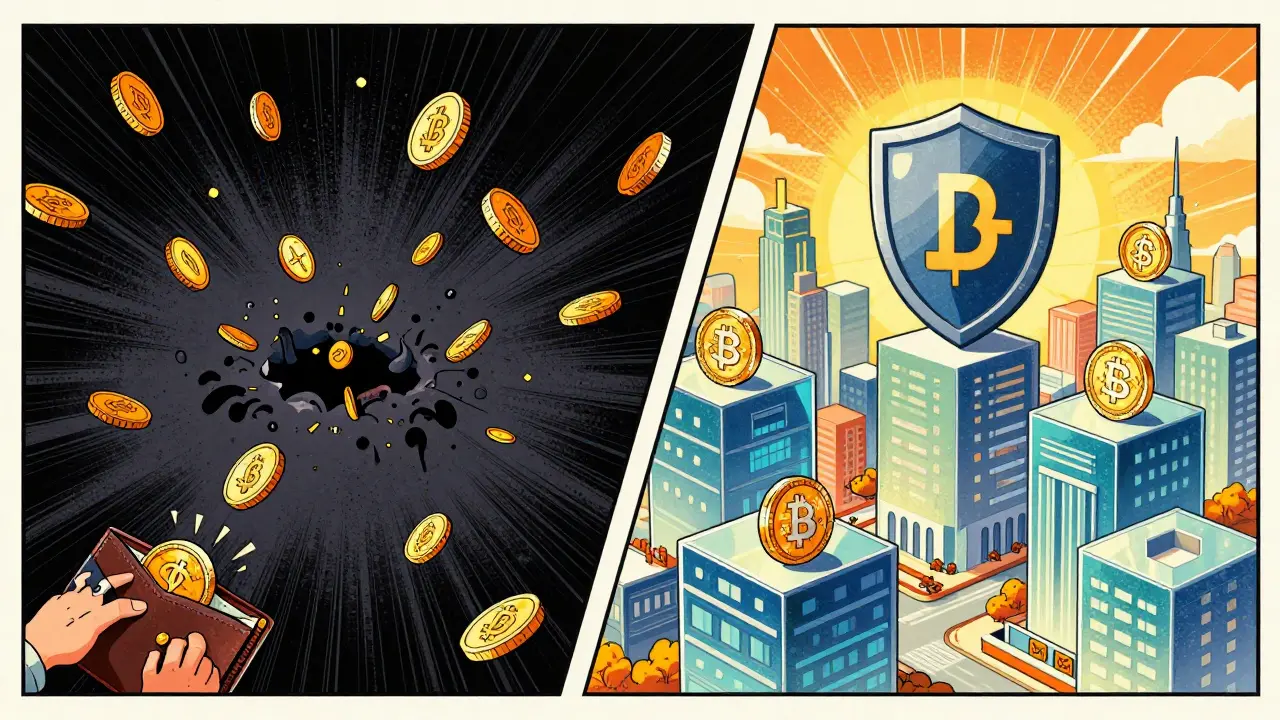
Notice the difference? Platforms like Binance and Coinbase spend millions on security infrastructure, including cold storage for user funds and multi-signature wallets. They also provide "Proof of Reserves," a cryptographic method that proves they actually hold the assets they claim to have. Deliondex offers none of these safeguards. Your money on such a platform is essentially gone the moment you send it, as the operators control the backend code and can freeze or delete your account at will.
How Crypto Scams Work in 2026
It is helpful to understand the mechanics behind these fraudulent schemes so you can recognize them early. Most scams involving unknown exchanges follow a predictable pattern:
- The Hook: You are contacted by someone who claims to have insider knowledge or a secret strategy. They show screenshots of massive profits on the Deliondex dashboard. These screenshots are easily faked using simple web editing tools.
- The Small Win: You deposit a small amount, say $100. The platform shows you making a profit. You try to withdraw it, and it works. This builds false confidence and makes you believe the system is legitimate.
- The Bait: Encouraged by the initial success, you deposit a larger sum-perhaps your savings or borrowed money. The dashboard continues to show impressive gains, encouraging you to reinvest.
- The Trap: When you attempt to withdraw your large balance, things go wrong. You might be told you need to pay a "tax," a "verification fee," or a "security deposit" to release your funds. This is a classic advance-fee fraud. No matter how much you pay, you will never see your original investment again.
This cycle is designed to exploit hope and greed. By the time you realize it is a scam, the operators have likely moved the funds to untraceable wallets or mixed them through tumblers to hide the trail.
Safer Alternatives for Crypto Trading
If you are looking to enter the cryptocurrency market, there are plenty of secure, regulated options available in 2026. Instead of risking your capital on an entity like Deliondex, consider these proven alternatives:
- Coinbase: Ideal for beginners. It is publicly traded on the NYSE, which adds a layer of accountability. It offers a user-friendly interface and strong insurance coverage for digital assets held in hot wallets.
- Binance: The largest exchange by volume. It offers advanced trading features, low fees, and supports a vast array of cryptocurrencies. However, it has faced regulatory scrutiny in various countries, so ensure you are using the correct regional version (e.g., Binance.US for American users).
- Kraken: Known for its robust security record and excellent customer service. Kraken has never been hacked and provides detailed Proof of Reserves reports. It is a great choice for both beginners and experienced traders.
- KuCoin: Offers a wide selection of altcoins and tokens that might not be available on larger exchanges. It is popular among traders looking for niche opportunities but should still be used with caution regarding lesser-known tokens.
These platforms have survived market crashes, regulatory changes, and cyber threats over many years. Their longevity is a testament to their operational integrity and commitment to user safety.
Protecting Yourself: Best Practices for 2026
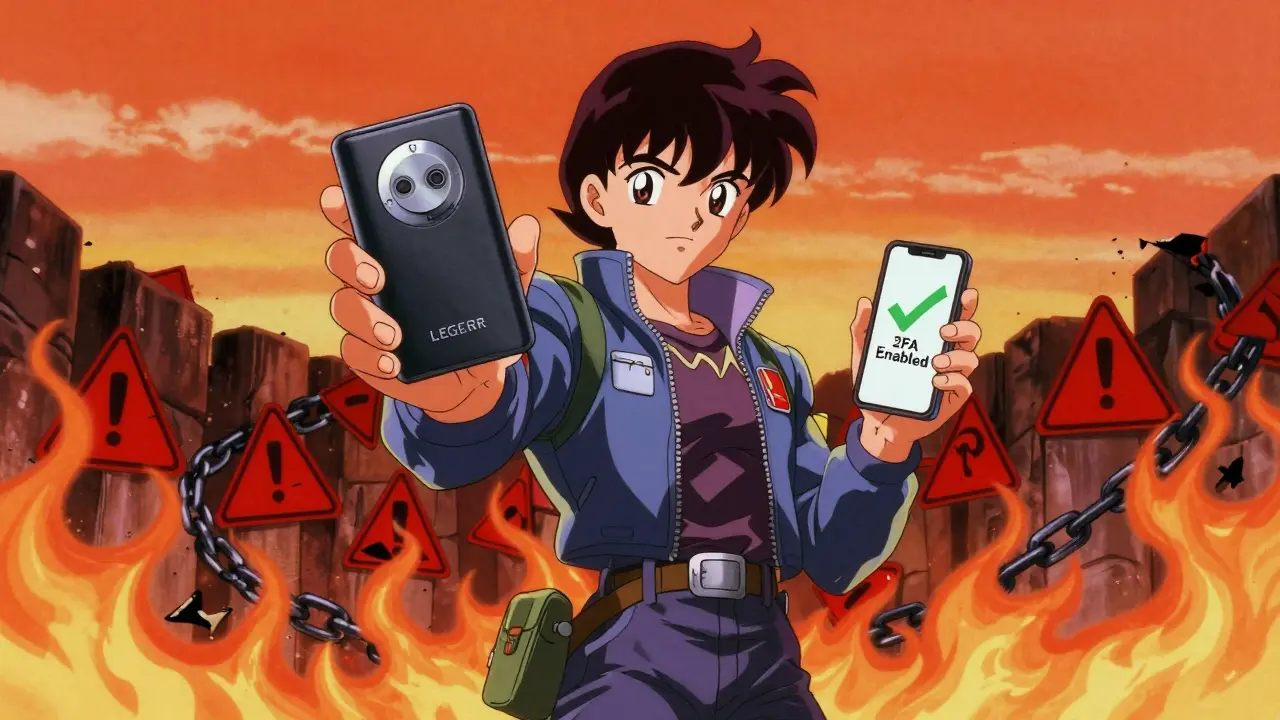
Regardless of which exchange you choose, protecting your digital assets requires personal vigilance. Here are some essential tips to keep your crypto safe:
- Use Two-Factor Authentication (2FA): Never rely solely on SMS verification. Use an authenticator app like Google Authenticator or Authy. Even better, consider a hardware key like YubiKey for maximum security.
- Enable Withdrawal Whitelists: Set up whitelisted wallet addresses for withdrawals. This ensures that even if your account is compromised, hackers cannot move your funds to an address you haven't pre-approved.
- Keep Private Keys Safe: For long-term holdings, move your crypto off-exchange to a hardware wallet like Ledger or Trezor. Remember: "Not your keys, not your coins." Exchanges are custodians, not banks. If the exchange fails, your funds may be lost.
- Verify URLs: Always double-check the website address before logging in. Phishing sites often mimic legitimate exchanges with slight spelling variations (e.g., coinbase.com vs. coinbace.com).
- Do Your Own Research (DYOR): Never invest based solely on social media advice. Check independent review sites, regulatory databases, and community forums. If you cannot find reliable information about a platform, assume it is unsafe.
Final Verdict: Avoid Deliondex
After thorough investigation, the evidence points to one clear conclusion: Deliondex lacks the transparency, regulatory compliance, and security measures required of a legitimate financial institution. The absence of verifiable information, combined with aggressive marketing tactics typical of fraudulent schemes, suggests that this platform poses a significant risk to your financial well-being.
In the world of cryptocurrency, safety should always come before potential profit. There is no shortcut to wealth, and any platform promising otherwise is likely trying to take yours. Stick to established, regulated exchanges like Coinbase, Binance, or Kraken. Protect your private keys, enable strong authentication, and never send money to an anonymous entity. Your financial future is worth more than a risky gamble on an unproven platform.
Is Deliondex a legitimate crypto exchange?
There is no credible evidence that Deliondex is a legitimate or regulated crypto exchange. It lacks public information about its ownership, regulatory licenses, and security audits, which are standard requirements for trustworthy financial platforms. Users should exercise extreme caution and avoid depositing funds.
Can I withdraw my money from Deliondex?
Withdrawals from platforms like Deliondex are often problematic. Many users report being blocked from withdrawing funds or being asked to pay additional "fees" or "taxes" to release their money. Once funds are sent to an unregulated exchange, recovery is extremely difficult and often impossible.
What are the signs of a crypto exchange scam?
Common signs include guaranteed high returns, anonymous ownership, lack of regulatory licenses, aggressive social media marketing, poor online reviews, and requests for upfront fees to withdraw funds. Legitimate exchanges are transparent about their operations and comply with local financial regulations.
Which crypto exchanges are safe to use in 2026?
Reputable and regulated exchanges include Coinbase, Binance, Kraken, and KuCoin. These platforms have established track records, implement strong security measures, and are subject to regulatory oversight. Always verify that you are using the correct regional version of the exchange to comply with local laws.
What should I do if I have already invested in Deliondex?
If you have invested in Deliondex, stop adding more funds immediately. Attempt to withdraw your remaining balance. If you encounter obstacles or are asked for more money to release funds, do not pay. Report the incident to your local financial regulatory authority and consider seeking legal advice. Be aware that recovering stolen crypto is challenging.