Blockchain Gaming
When you hear Blockchain Gaming, a mix of video games and decentralized ledger technology that lets players truly own in‑game assets, you might wonder how it differs from regular gaming. It also goes by the synonym crypto gaming. At its core, GameFi, the finance layer built into games that rewards players with tradable tokens powers the earn‑to‑play experience. Meanwhile, NFT, non‑fungible tokens that represent unique digital items like skins, characters, or virtual land give each asset a one‑of‑a‑kind proof of ownership. Finally, Airdrop, a distribution method where projects send free tokens or NFTs to eligible users helps bootstrap communities and reward early adopters. Blockchain Gaming therefore blends tokenomics, interactive play, and decentralized ownership into a single ecosystem.
Key Concepts Shaping the Space
Understanding tokenomics is essential because it defines how a game’s native token circulates, inflates, or deflates. Good tokenomics align player incentives with long‑term game health, which is why many projects publish detailed supply schedules and utility plans. GameFi then requires a robust smart‑contract layer to handle staking, reward distribution, and on‑chain battles without breaking the user experience. In practice, a player might stake BOMB tokens from the Bombie project to unlock exclusive missions in Telegram or LINE chat games. That same token can also be traded on decentralized exchanges, adding real‑world value to in‑game achievements. NFTs feed into this loop by letting players buy, sell, or lease unique items—think PlaceWar’s NFT Tank, which can be earned through a timed airdrop and then used in battle arenas. The airdrop itself acts as a growth hack: it spreads awareness, builds a user base, and creates a market for the newly distributed assets. Together, these elements form a semantic triple: Blockchain Gaming encompasses GameFi, GameFi relies on tokenomics, and tokenomics drives NFT value.
Real‑world examples illustrate how the theory works. The Bombie (BOMB) coin shows a GameFi model where a token powers both chat‑based mini‑games and a staking pool, creating a loop of play‑to‑earn. PlaceWar’s NFT Tank Drop demonstrates an airdrop strategy that targets gamers interested in strategy titles, rewarding them with a usable in‑game asset that also carries resale value on secondary markets. Both projects highlight the importance of clear tokenomics, engaging gameplay, and community incentives. When you combine a solid token model with an appealing NFT drop, you get a self‑sustaining ecosystem where players are both consumers and investors.
Below you’ll find deeper dives into each of these topics, from token economics breakdowns to step‑by‑step airdrop guides. Whether you’re hunting for the next promising GameFi token, learning how to claim a free NFT, or just curious about how blockchain changes the way games are built, the articles that follow will give you practical insights you can act on right away.
-
SpartaDEX Crypto Exchange Review: Gamified DeFi on Arbitrum
SpartaDEX is a gamified crypto exchange on Arbitrum that turns liquidity provision into a strategy game. Learn how it works, its pros and cons, and who it's really for.
-
Battle Hero (BATH) Chest NFT Airdrop: How to Win One of 225 Free NFTs on CoinMarketCap
Battle Hero (BATH) is giving away 225 exclusive chest NFTs via CoinMarketCap. Learn how to enter, what’s inside, and why this airdrop matters for blockchain gamers.
-
X World Games (XWG) Airdrop Details: What Happened and Why It Faded
The X World Games (XWG) airdrop in 2021 distributed 2 million tokens, but the project never launched a playable game. Today, XWG has no exchange listings, no community, and near-zero value. Learn why it failed and what to look for in real blockchain games.
-
Hero Arena (HERA) Airdrop: What Happened, Why It Ended, and Where to Go Now
The Hero Arena (HERA) airdrop ended in 2022. Learn what happened, why it’s gone, and how to actually play the game today - not chase free tokens.
-
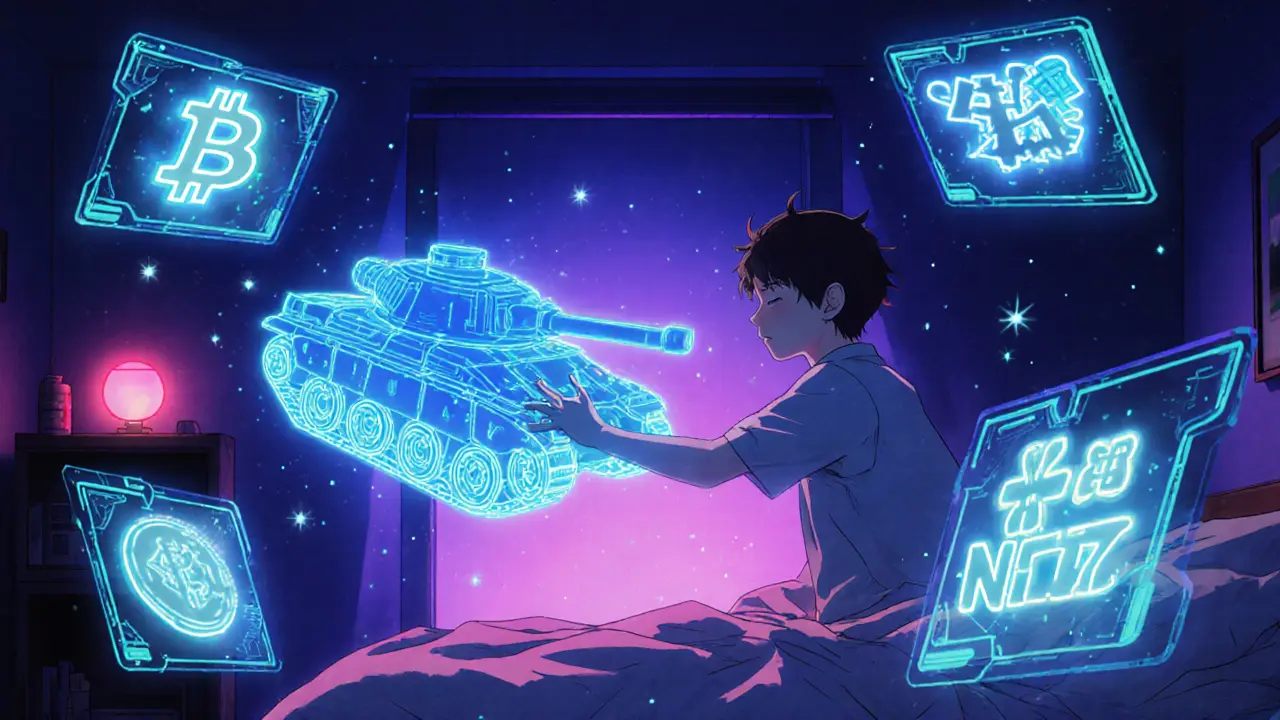
PlaceWar NFT Tank Drop Airdrop: Full Details, Eligibility, and Timeline
Discover everything about PlaceWar's NFT Tank Drop airdrop-eligibility, timeline, tech details, and how to claim your tank safely.
-
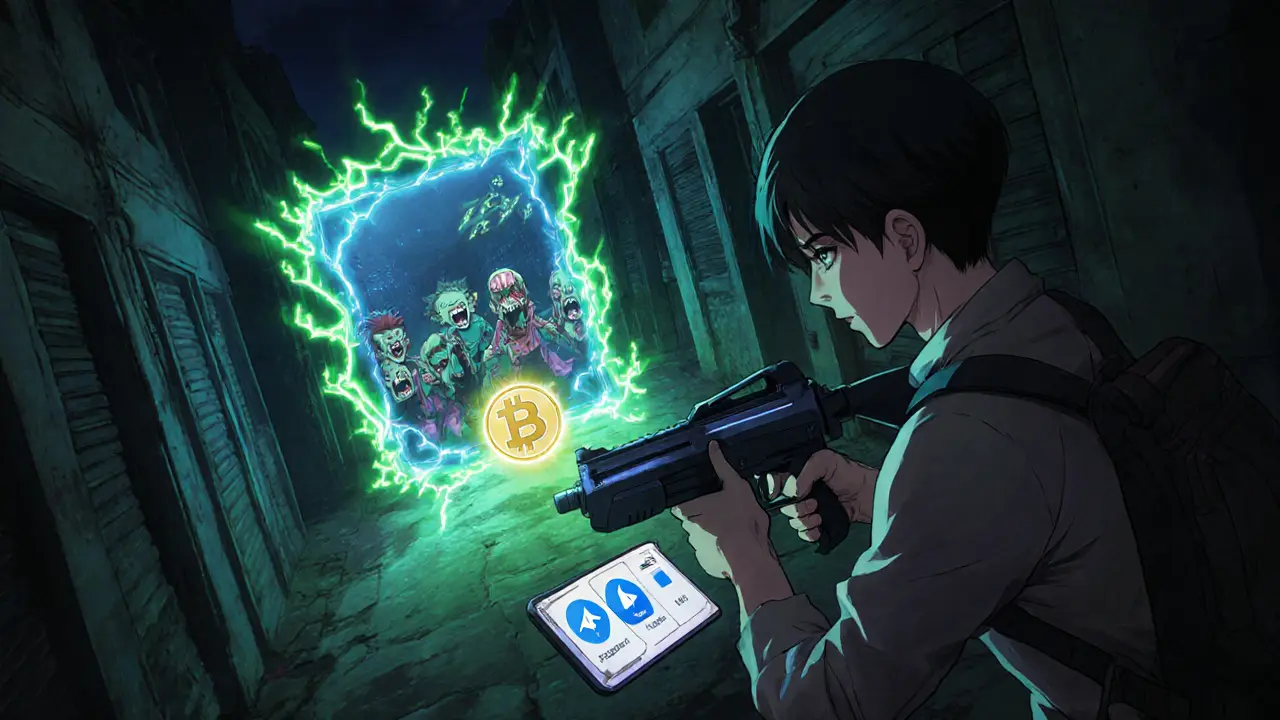
Bombie (BOMB) Crypto Coin Explained - GameFi Overview
Discover what Bombie (BOMB) crypto coin is, how it works in Telegram and LINE games, tokenomics, and whether it’s worth playing or investing.