Thailand Crypto Ban: What Really Happened and Where Crypto Stands Today
When people talk about the Thailand crypto ban, a series of regulatory actions taken by Thailand’s SEC to control unlicensed crypto trading platforms and protect retail investors. Also known as Thailand crypto crackdown, it wasn’t a total shutdown—it was a cleanup. The goal? To shut down shady operators, not legitimate users. Many thought crypto was banned outright, but that’s not true. What actually happened was that the Securities and Exchange Commission of Thailand (SEC) forced unregistered exchanges to close, required all platforms to get licensed, and started enforcing strict KYC rules. If you’re in Thailand and want to trade crypto legally today, you need to use one of the few approved platforms.
The Thailand crypto regulations, a framework created by the Thai SEC to classify digital assets, enforce investor protection, and prevent money laundering. Also known as Thai crypto laws, it treats crypto as a digital asset, not currency. That means you can’t use Bitcoin to pay for coffee, but you can buy, sell, and hold it through licensed exchanges. The rules also require exchanges to report large transactions, freeze suspicious accounts, and keep user funds separate from company money. This isn’t about stopping crypto—it’s about making it safer. And it’s working. Since the crackdown began, dozens of offshore platforms stopped serving Thai users, while local exchanges like Bitkub and Zipmex got licensed and grew their user base. Meanwhile, non-custodial wallets? Still completely legal. You can hold crypto in MetaMask or Ledger without fear of arrest. The government doesn’t care what’s in your wallet—they care if you’re using an unregulated exchange to trade it.
What’s missing from most headlines is the real story: Thai crypto users didn’t disappear. They adapted. Many moved to licensed exchanges. Others turned to P2P trading using bank transfers or cash deposits. A growing number use VPNs to access international platforms, though that comes with risks—exchanges like Binance now block Thai IPs unless you’re on a licensed partner site. The crypto exchange Thailand, a regulated platform approved by the Thai SEC to offer spot trading, staking, and derivatives to local residents. Also known as licensed Thai crypto platform, is now the only safe path for most people. If you’re looking to buy crypto in Thailand today, you’re not fighting the system—you’re navigating it. And that’s exactly what the posts below cover: real platforms that still work, scams to avoid, how taxes apply, and what happens if you ignore the rules.
-
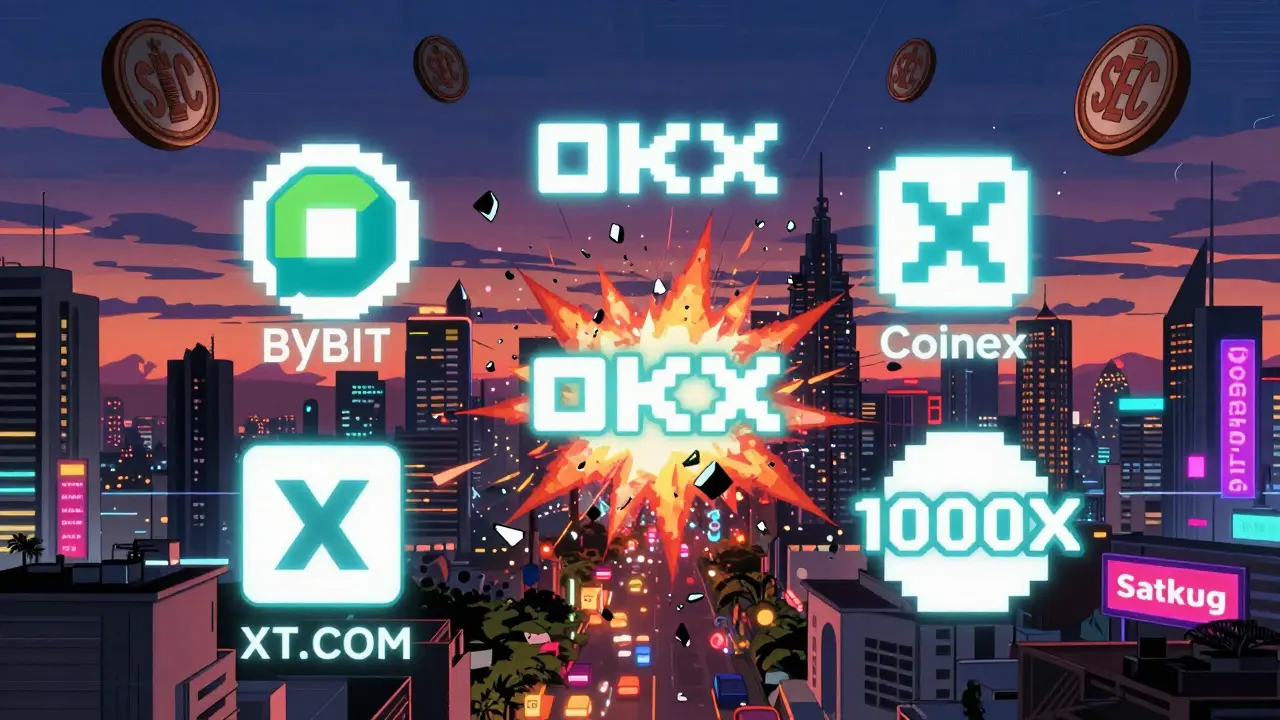
Thailand Bans Foreign P2P Crypto Platforms in 2025 Regulatory Crackdown
Thailand banned foreign P2P crypto platforms like Bybit and OKX in June 2025, requiring all trading to go through licensed local exchanges. The move aimed to stop scams and money laundering but left users scrambling to withdraw funds.