Thai SEC Crypto Rules: What You Need to Know About Thailand’s Crypto Regulations
When it comes to Thai SEC crypto rules, the regulatory framework set by Thailand’s Securities and Exchange Commission that governs how crypto exchanges, tokens, and investors operate in the country. Also known as Thailand cryptocurrency regulations, it’s one of the clearest and most enforced crypto frameworks in Southeast Asia. Unlike places where crypto exists in a legal gray zone, Thailand requires every exchange, token listing, and even airdrop to be approved by the SEC. If you’re trading, investing, or launching a project in Thailand, ignoring these rules isn’t just risky—it’s illegal.
These rules aren’t just about blocking bad actors. They’re designed to protect everyday users. For example, any crypto exchange operating in Thailand must be licensed by the SEC, hold client funds in segregated accounts, and report suspicious activity. Unlicensed platforms? They get shut down fast. Tokens without whitepapers, audits, or real teams? They’re banned from listing. Even crypto taxation Thailand, the system that treats cryptocurrency gains as taxable income under personal income tax rules is clearly defined: profits from trading are taxed at progressive rates up to 35%, and staking rewards are treated as ordinary income. There’s no tax exemption for long-term holds like in Portugal or zero capital gains like in Singapore. If you make money in crypto, the Thai government expects its cut.
And it’s not just exchanges and taxes. The SEC also monitors crypto compliance Thailand, the ongoing obligations for businesses and individuals to follow reporting, KYC, and AML rules. That means if you’re running a crypto-related business—even a small one—you need to register, verify your users, and keep records for five years. No KYC? No service. No transaction logs? You’re in violation. This level of oversight makes Thailand one of the hardest markets to operate in, but also one of the safest for users who want to avoid scams.
What you won’t find here are loopholes. No anonymous wallets. No offshore exchanges pretending to serve Thai citizens. No unregistered token sales. The SEC doesn’t play guessing games. If you’re a Thai resident, your crypto activity is tracked through bank links, exchange reports, and IP verification. Even using a VPN to access foreign platforms won’t hide you if you’re depositing THB or cashing out to a local bank.
So if you’re wondering why Thai crypto projects rarely go viral, or why big names like Binance had to restructure their Thai operations—it’s because the rules are non-negotiable. This isn’t about stifling innovation. It’s about forcing it to happen the right way: transparent, accountable, and secure. The result? Fewer rug pulls, fewer fake airdrops, and less chaos. But it also means fewer get-rich-quick schemes and less anonymity.
Below, you’ll find real cases, breakdowns of banned platforms, and lessons from projects that got caught breaking the rules. No fluff. No theory. Just what’s actually happening on the ground in Thailand’s crypto space—and how to stay on the right side of the law while you’re there.
-
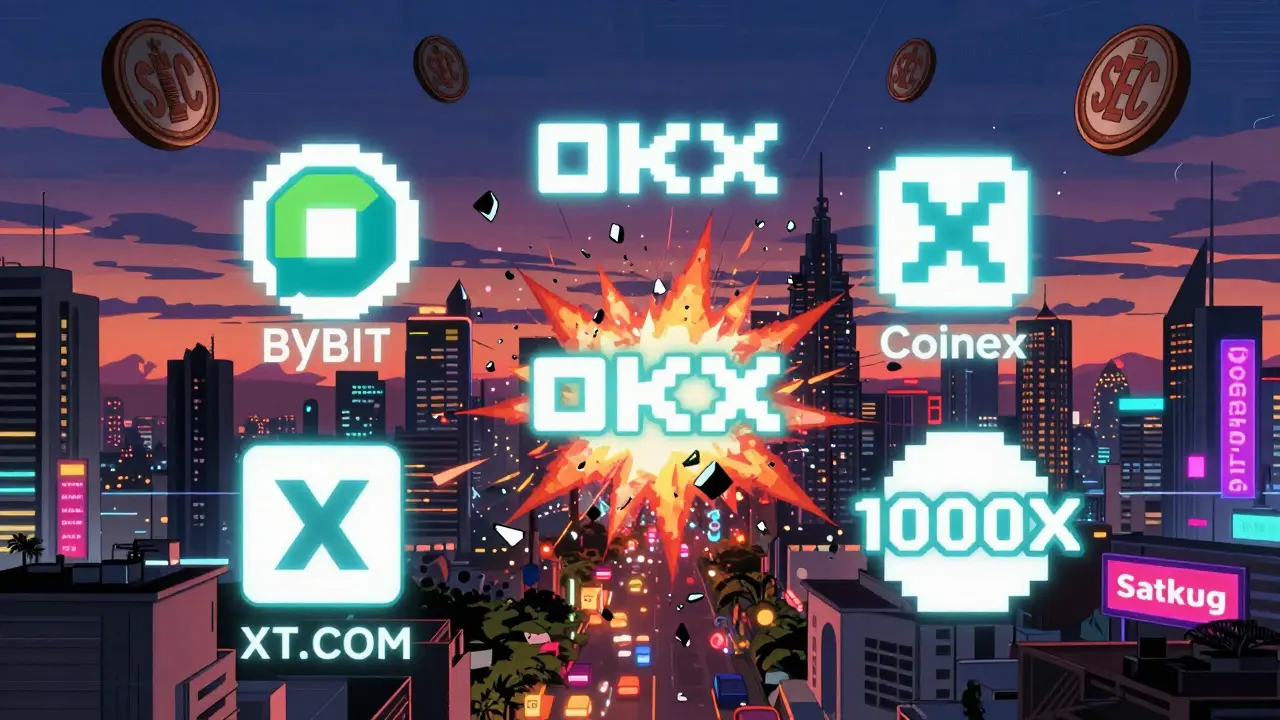
Thailand Bans Foreign P2P Crypto Platforms in 2025 Regulatory Crackdown
Thailand banned foreign P2P crypto platforms like Bybit and OKX in June 2025, requiring all trading to go through licensed local exchanges. The move aimed to stop scams and money laundering but left users scrambling to withdraw funds.