P2P Networks in Crypto: How Peer-to-Peer Trading Bypasses Banks and Bans
When you trade crypto through a P2P networks, a decentralized system where users exchange assets directly without intermediaries like banks or exchanges. Also known as peer-to-peer trading, it’s how people in countries like Russia and Jordan buy Bitcoin when banks block them. This isn’t theory—it’s daily life for thousands who use cash, mobile payments, or card transfers to swap crypto with strangers online.
P2P networks don’t need permission. You don’t sign up with your passport. You don’t wait days for approval. You find a seller, agree on a price, send money via a local method like Sberbank or PayPal, and get crypto in your wallet. That’s how traders in Iran use DAI on Polygon to bypass sanctions. That’s how Jordanians traded before the 2025 law forced banks to cooperate. And that’s why platforms like Bybit and ChangeNOW now offer P2P marketplaces—they’re not optional, they’re essential.
But P2P networks aren’t just about dodging restrictions. They’re about control. When you use a centralized exchange, they freeze your account if they think you’re in a banned country. When you use P2P, your IP address might be tracked, but your identity stays hidden unless you leak it. That’s why tools like VPNs and non-custodial wallets go hand-in-hand with P2P trading. You’re not just buying crypto—you’re protecting your financial freedom.
And it’s not just for the underground. Even in places with legal crypto, like Portugal, people use P2P to avoid high fees or slow bank processing. The same system that lets someone in Russia buy crypto with rubles is the one that lets a trader in the U.S. swap USDT for ETH with a neighbor down the street. It’s simple, fast, and works anywhere with internet.
What you’ll find below are real stories from people who’ve used P2P networks to survive banking bans, avoid scams, and trade safely when no one else would let them. From how to spot fake escrow offers to why some P2P deals go wrong in Jordan, these posts show exactly how it works—not what the marketing says, but what actually happens when you hit "Buy" on a peer-to-peer trade.
-
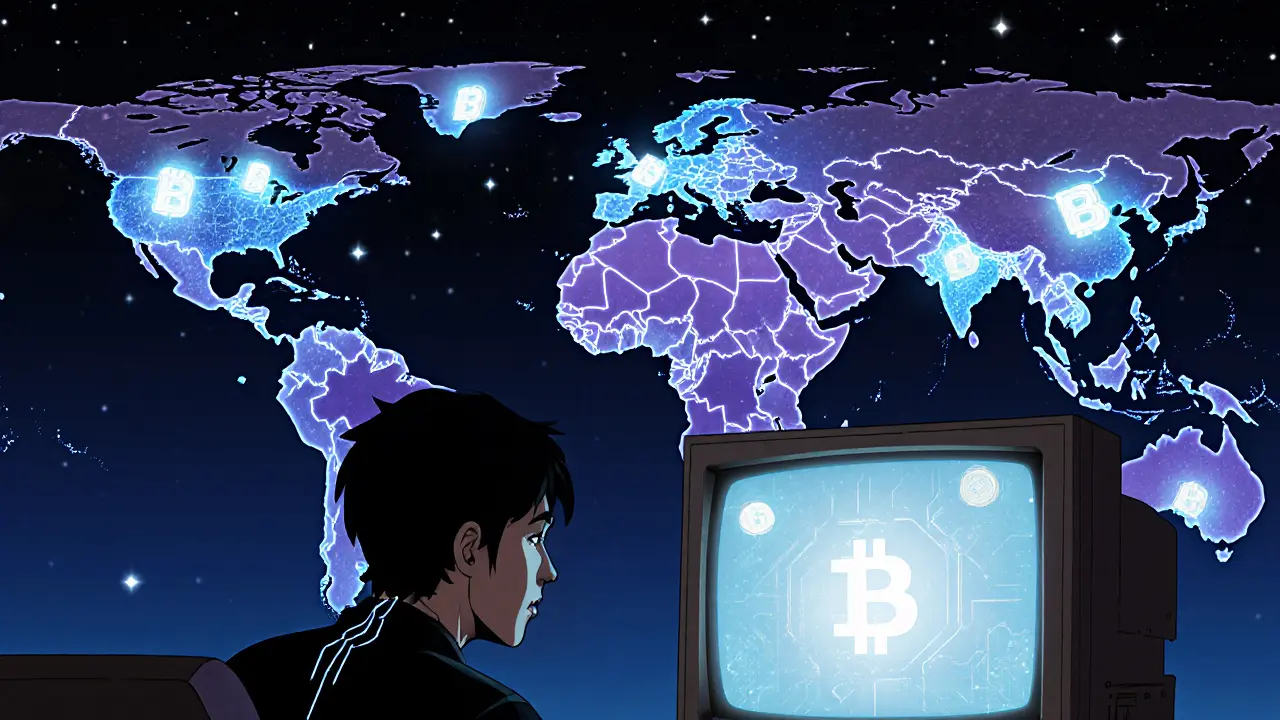
How P2P Networks Power Cryptocurrency Systems
P2P networks let cryptocurrencies like Bitcoin operate without banks or middlemen. Every transaction is verified by thousands of computers worldwide, making the system secure, censorship-resistant, and always online.