P2P Crypto: How Peer-to-Peer Networks Power Decentralized Trading
When you trade P2P crypto, a system where buyers and sellers exchange cryptocurrency directly without intermediaries. Also known as peer-to-peer crypto, it's the backbone of how people in restricted countries buy Bitcoin, dodge bank blocks, and avoid exchange fees. Unlike traditional exchanges that hold your money, P2P crypto puts control in your hands—you pick your price, your payment method, and who you trade with.
This model relies on decentralized networks, a distributed system where thousands of computers verify transactions without a central server. That’s why Bitcoin and other coins can run even when governments shut down banks. But P2P crypto isn’t just about technology—it’s about access. In Nigeria, where banks block crypto deposits, traders use P2P crypto, a lifeline that lets them buy Bitcoin via mobile money or bank transfers. In Iran, where sanctions cut off global exchanges, users turn to DEXs and P2P platforms to get stablecoins like DAI. And in Thailand, when foreign platforms like Bybit and OKX got banned in 2025, locals scrambled to move funds because they’d grown dependent on these direct trading channels.
But P2P crypto isn’t risk-free. It’s where scams thrive—fake escrow services, impersonators, and payment reversals. That’s why compliance matters. Countries like Thailand and India are cracking down, forcing traders to use licensed platforms or face legal trouble. Even when you’re trading peer-to-peer, your IP address, payment history, and wallet activity can still be tracked. And if you’re using a VPN to bypass geo-blocks, most exchanges now detect it 70-80% of the time. This isn’t just a tech issue—it’s a legal one. Ongoing compliance obligations aren’t optional anymore. If you’re trading P2P crypto in 2025, you need to understand local rules, tax implications, and how to protect your identity without getting banned.
What you’ll find below isn’t a list of tools or tutorials—it’s a real-world map of where P2P crypto works, where it’s banned, and who’s using it. From Nigeria’s mobile money traders to Iran’s DAI users, from Thailand’s sudden exchange bans to Russia’s ruble-to-Bitcoin cash pickups, these posts show you the unfiltered truth behind decentralized trading. No fluff. No hype. Just what’s happening on the ground.
-
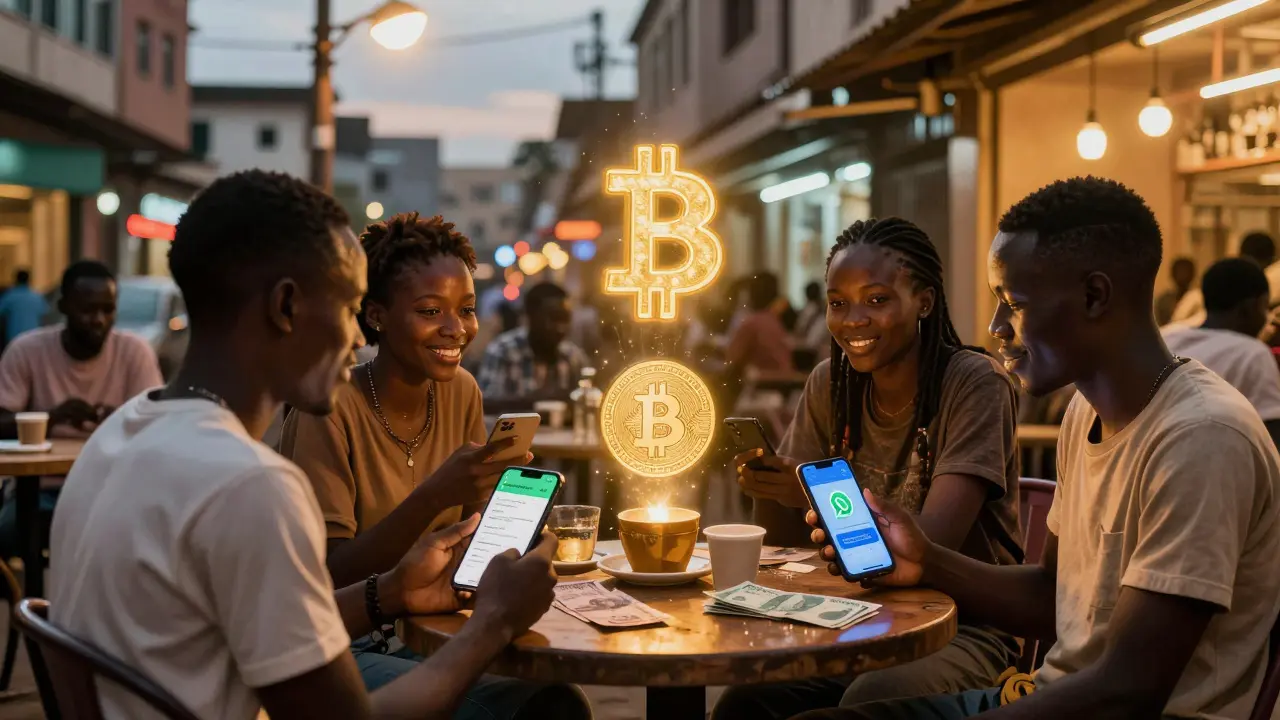
Why Nigeria Leads the World in Peer-to-Peer Crypto Adoption
Nigeria leads the world in peer-to-peer crypto adoption due to economic hardship, banking restrictions, and a young, tech-savvy population. With over $59 billion in annual crypto trades, it's reshaping finance in emerging markets.