Cryptocurrency Nigeria: How Nigerians Use Crypto Amid Restrictions
When it comes to cryptocurrency Nigeria, a vibrant, grassroots-driven adoption of digital money fueled by economic pressure and limited banking access. Also known as Nigerian crypto usage, it’s not about speculation—it’s about survival. With inflation eating away at the Naira and banks restricting withdrawals, millions turned to Bitcoin and stablecoins as a way to save, send, and spend money without permission. This isn’t a trend. It’s a response to real financial breakdowns.
At the heart of this movement is P2P crypto Nigeria, a decentralized system where people trade directly with each other using local payment methods like bank transfers, mobile money, and cash. Also known as Naira-to-crypto trading, this method bypasses banks entirely. Platforms like Paxful and YellowCard became lifelines—not because they were flashy, but because they worked when nothing else did. Even when the Central Bank of Nigeria cracked down on crypto-friendly banks in 2021, P2P volumes didn’t drop. They exploded. People found new ways: WhatsApp groups, local agents, and even street-corner trades. And while some exchanges like Binance Nigeria were forced to shut down local fiat services, users didn’t disappear. They just moved to platforms that still accept Nigerians—like Binance Nigeria, a global exchange that still allows Nigerian users to deposit and withdraw crypto via P2P, even if direct Naira deposits are blocked. Also known as Nigerian crypto access point, it remains one of the most reliable options for those who know how to use it.
But it’s not all smooth sailing. crypto regulations Nigeria, a patchwork of conflicting rules, tax notices, and banking bans. Also known as Nigerian crypto legal status, they create constant uncertainty. The government has called crypto a threat, yet millions still use it. Why? Because the alternatives—hyperinflation, frozen accounts, and currency devaluation—are worse. This tension shapes everything: from how people store their crypto (mostly in non-custodial wallets) to which exchanges they trust (only those with clear P2P support). You won’t find government-approved crypto apps. But you will find Nigerians using VPNs, burner phones, and local payment hubs to stay connected to the global blockchain economy.
What you’ll find below is a curated list of real, working tools and warnings—no fluff. We’ve pulled together guides on which exchanges still accept Nigerians in 2025, how to avoid fake airdrops targeting local users, and what happens when you get caught using a VPN to access blocked platforms. You’ll also see deep dives into tokens that looked promising but vanished, and why some Nigerian crypto projects never delivered. This isn’t theory. It’s what people are actually doing—and what’s killing them when they get it wrong.
-
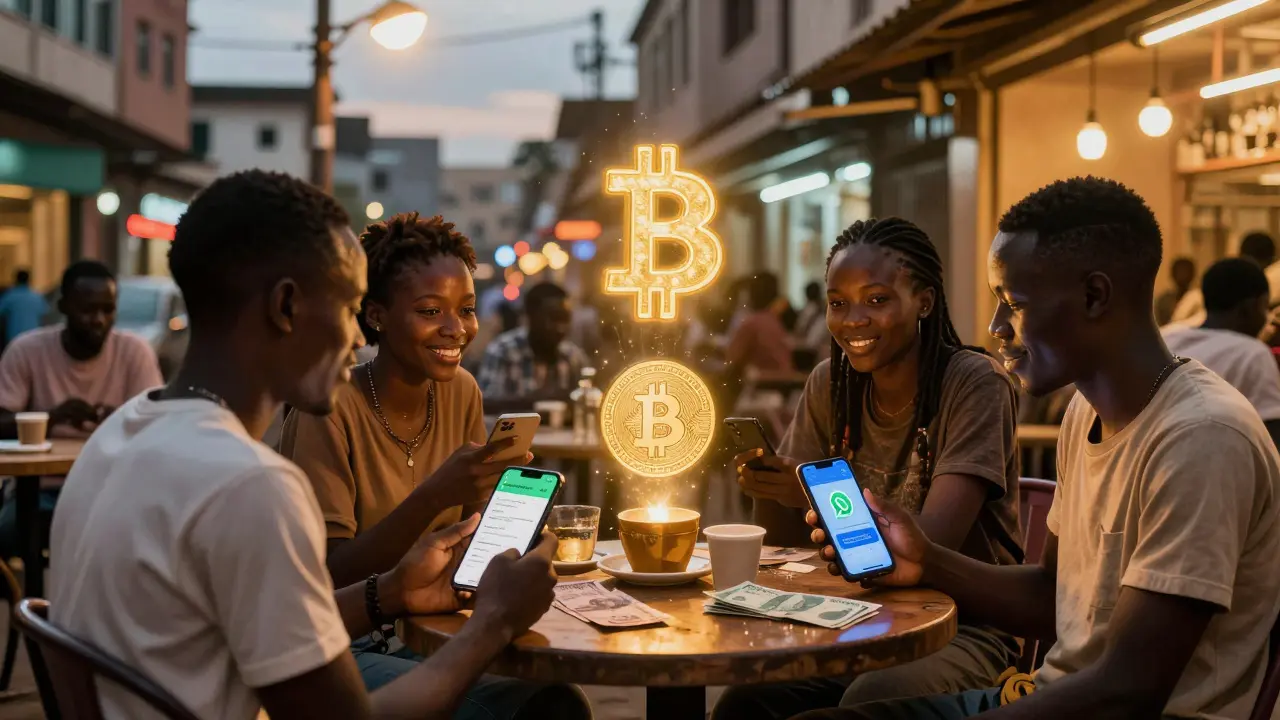
Why Nigeria Leads the World in Peer-to-Peer Crypto Adoption
Nigeria leads the world in peer-to-peer crypto adoption due to economic hardship, banking restrictions, and a young, tech-savvy population. With over $59 billion in annual crypto trades, it's reshaping finance in emerging markets.