Bybit blocked Thailand: What Happened and How It Affects Crypto Users
When Bybit, a major global cryptocurrency exchange that offers derivatives trading, spot markets, and high leverage options suddenly blocked access for users in Thailand, it wasn’t an accident. It was a compliance move. Exchanges like Bybit don’t block countries lightly—they’re responding to legal pressure. In Thailand, the Securities and Exchange Commission (SEC) tightened rules in 2023, requiring all crypto platforms to register as licensed entities or face immediate shutdowns. Bybit chose to pull out rather than navigate the complex licensing process. This isn’t just about Bybit—it’s part of a global pattern where regulators are forcing exchanges to pick sides: comply or leave.
Thailand crypto regulations, a strict framework that demands local registration, KYC enforcement, and AML compliance for all crypto services left little room for foreign platforms to operate without a local presence. Other exchanges like Binance and OKX also pulled back or restructured their operations. For Thai users, this meant losing access to familiar tools, lower fees, and deeper liquidity. Many turned to P2P networks or offshore platforms using VPNs, but those come with risks. Exchanges now detect VPN usage over 70% of the time, and accounts get frozen without warning. Even if you can bypass the block, you’re trading without legal protection. The crypto exchange restrictions, rules imposed by governments to control how citizens access digital assets aren’t just about control—they’re about accountability. Thailand wants to track every transaction, tax every gain, and prevent money laundering. That’s fine in theory, but it leaves ordinary users caught in the middle.
What’s happening in Thailand mirrors what’s happening in Nigeria, Iran, and Russia: when a major exchange leaves, users scramble. Some find alternatives like ChangeNOW or Paxful, others get locked out. The real issue isn’t the block—it’s the lack of clear, accessible local options. Thailand has licensed exchanges now, but they’re often slower, more expensive, and offer fewer coins. If you’re trying to trade Bitcoin or Solana, you’re stuck with fewer choices and higher fees. And if you held assets on Bybit when the block happened? You had to move them manually—or risk losing access forever. That’s why understanding Bybit geo-block, the technical and legal process by which an exchange denies access based on user location matters. It’s not just a pop-up message. It’s a financial cutoff.
Below, you’ll find real stories and breakdowns of what happens when exchanges get blocked, how users adapt, and which platforms still work in restricted regions. You’ll see how projects like X World Games and Gunstar Metaverse faded not because of bad tech—but because users lost access. You’ll learn why some airdrops vanished overnight, and why IP tracking and geolocation now make anonymity nearly impossible. This isn’t theory. It’s what’s happening right now to people trying to use crypto outside the rules. And if you’re in Thailand—or any country where access is shrinking—you need to know how to protect yourself before the next block hits.
-
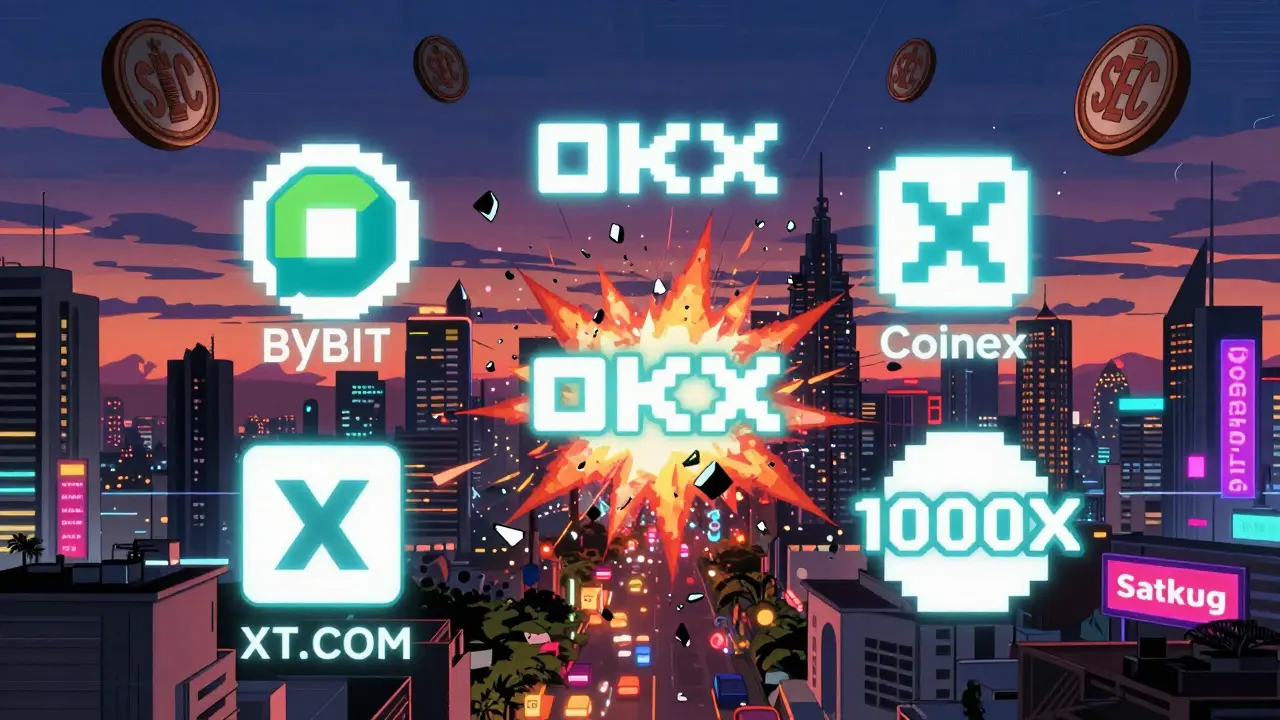
Thailand Bans Foreign P2P Crypto Platforms in 2025 Regulatory Crackdown
Thailand banned foreign P2P crypto platforms like Bybit and OKX in June 2025, requiring all trading to go through licensed local exchanges. The move aimed to stop scams and money laundering but left users scrambling to withdraw funds.