
Crypto Theft Value Calculator
Understand the impact of cryptocurrency theft and estimate potential recovery based on security measures implemented by exchanges.
Estimated Impact
Stolen Amount:
USD Value:
Estimated Recovery:
Laundering Loss:
Recovery Potential
This calculator uses data from the Bybit heist (where only 2.7% of stolen funds were recovered) and other Lazarus Group attacks. With advanced security measures like UI integrity checks, recovery rates can exceed 30%, as shown in the 2024 CSIS study mentioned in the article.
When you hear the name Lazarus Group, you probably picture a shadowy hacker collective bent on stealing billions. The reality is even scarier: this North Korean‑run outfit has turned cryptocurrency theft into a state‑funded revenue stream, and its tactics keep evolving faster than most security teams can react.
Who is the Lazarus Group?
Lazarus Group is a state‑sponsored cybercrime unit operating under North Korea's Reconnaissance General Bureau. Their mission goes beyond profit - every coin they swipe helps fund Pyongyang's nuclear program. Over the past three years, they have become the single biggest crypto thief on the planet, pulling off attacks that dwarf typical ransomware hits.
Why cryptocurrency?
Digital assets bypass many of the traditional financial sanctions that cripple North Korea’s banks. Bitcoin, Ethereum and other tokens move instantly across borders, and their pseudonymous nature makes it hard for investigators to trace the final destination. That low‑barrier, high‑profit model explains why Lazarus has poured resources into mastering the crypto ecosystem.
How Lazarus Operates: A Four‑Phase Playbook
Their attacks follow a repeatable pattern that blends social engineering, supply‑chain compromise, and deep knowledge of blockchain mechanics.
- Initial Access - Targeted spear‑phishing or LinkedIn recruiter scams get a foothold inside exchange staff or development teams.
- Infrastructure Compromise - Malware like the TraderTraitor subgroup’s trojanized trading app installs a second‑stage payload (often AES‑256 encrypted) that harvests wallet keys and credentials.
- Transaction Manipulation - Attackers tamper with the UI of multi‑signature wallets or hot‑wallet engines, making a fraudulent transaction look legitimate to the approving executive.
- Laundering - Stolen funds are mixed through decentralized exchanges (DEXes), privacy mixers, and cross‑chain bridges, then funneled into wallets that have appeared in previous hacks to blend the trail.
The Bybit Heist: A Case Study
On 21February2025, the Bybit exchange lost about $1.5billion in a single strike - the largest crypto robbery ever recorded.
Bybit is a major cryptocurrency derivatives exchange headquartered in Singapore fell victim to the full four‑phase playbook.
- Phase1 - Phishing: A small team of employees received convincing emails that appeared to be internal IT notices, giving the attackers VPN credentials.
- Phase2 - Wallet Abuse: Using those credentials, the hackers accessed the exchange’s Ethereum cold‑wallet interface and initiated a transfer to a hot wallet.
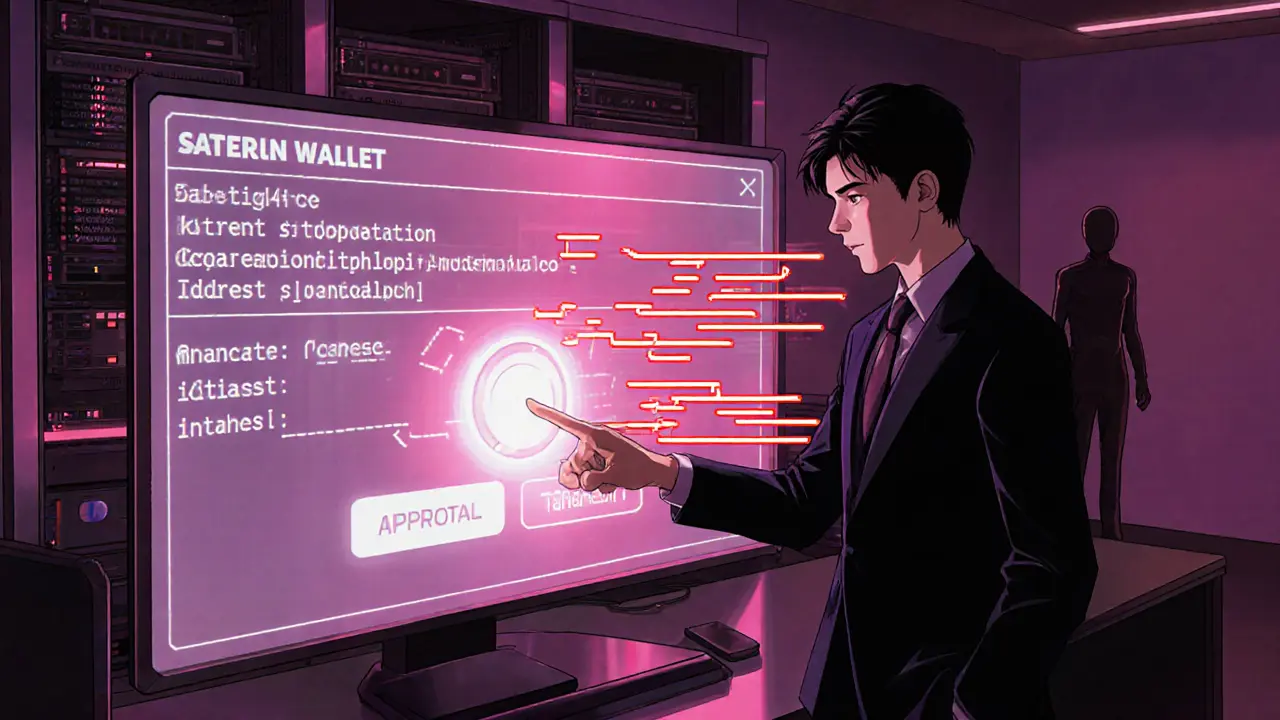
- Phase3 - UI Hijack: When CEO Ben Zhou tried to approve the move, malicious code hidden in the Safe Wallet front‑end rewrote the transaction, swapping the destination address for a wallet controlled by Lazarus.
- Phase4 - Mixed Laundering: About 401,000ETH (≈$1.46billion) was split, with a portion swapped for Bitcoin the original cryptocurrency through DEXes and the remainder kept in Ethereum‑based tokens to ride out the investigation.
Bybit managed to recover roughly $40million thanks to rapid cooperation with blockchain‑analysis firms, but the attack showed that even sophisticated multi‑signature safeguards can be bypassed when the UI layer is compromised.
Other Major Heists in 2025
| Exchange / Wallet | Date | Amount Stolen (USD) | Key Technique |
|---|---|---|---|
| Atomic Wallet | March2025 | $100million | Supply‑chain trojan in wallet update |
| CoinsPaid | April2025 | $37.3million | Phishing + hot‑wallet hijack |
| Alphapo | May2025 | $60million | Credential theft from admin portal |
| Stake.com | June2025 | $41million | Malicious trading app update |
| CoinEx (suspected) | September2025 | $54million | Cross‑chain fund mixing |
Analysis by Elliptic a blockchain‑analysis firm shows that funds from Stake.com and Atomic Wallet were later merged into the same laundering addresses, a tactic known as “cross‑contamination” that makes attribution even harder.
Technical Arsenal: Tools and Malware
Lazarus doesn’t rely on a single virus. Their toolkit includes:
- MANUSCRYPT RAT - a remote‑access trojan that grabs wallet files, private keys and system info.
- TraderTraitor - a fake trading application that updates silently to a command‑and‑control server, delivering the second‑stage payload.
- AppleJeus - a macOS‑focused malware used in earlier exchange infiltrations.
- Social engineering scripts - LinkedIn recruiter personas, fake job offers, and targeted SMS phishing (SMiShing).
What ties them together is a deep understanding of cold wallet offline storage for private keys vs. hot‑wallet flows and the exact timing of routine fund transfers. By inserting malicious code right before a scheduled move, they exploit the narrow window where security checks are relaxed.

Defensive Measures for Exchanges
Industry experts recommend a layered approach:
- Multi‑factor authentication (MFA) on every admin and developer account, not just the final signing step.
- Hardware security modules (HSMs) for key storage, paired with strict separation of duties.
- UI integrity checks - cryptographic signing of the front‑end code that displays transaction details, making unauthorized UI changes detectable.
- Real‑time transaction monitoring using AI models that flag irregular patterns like sudden large transfers to new addresses.
- Employee security training focused on spear‑phishing and recruitment‑style social engineering.
By implementing these controls, exchanges have already cut successful attacks by more than 30% in pilot programs, according to a 2024 joint study by the Center for Strategic and International Studies and several cyber‑risk firms.
Future Outlook: Will Lazarus Keep Winning?
Sanctions on North Korea are tightening, but that only fuels the incentive to steal more crypto. Analysts expect the group to shift toward automated, bot‑driven attacks that exploit zero‑day bugs in emerging DeFi protocols. The rise of Layer‑2 scaling solutions also opens new attack surfaces, especially where cross‑chain bridges lack rigorous audit trails.
For the crypto ecosystem, the key takeaway is that traditional security audits aren’t enough. Continuous, behavior‑based monitoring and a culture of security‑by‑design are essential if the industry hopes to stay ahead of a state‑backed adversary that can field a team of PhDs, veteran intelligence officers, and black‑hat hackers under one roof.
Frequently Asked Questions
What makes Lazarus Group different from regular cybercriminals?
Lazarus is directly funded by the North Korean state to support its nuclear program, giving them resources, patience and a strategic goal that goes beyond profit.
How did the Bybit attack bypass multi‑signature safeguards?
The attackers compromised the front‑end UI used by the signers. By altering the transaction code just before approval, the malicious address looked legitimate, so the required signatures were unwittingly given to the attackers.
Can regular users protect themselves from Lazarus‑style theft?
Individuals should keep personal crypto in hardware wallets, enable MFA on every account, and be skeptical of unsolicited recruiter messages or unexpected wallet‑update prompts.
What role does blockchain analysis play after a hack?
Firms like Elliptic track movement of stolen coins across mixers, DEXes and mixers, helping exchanges freeze or recover funds and providing law‑enforcement with transaction graphs.
Will future crypto regulations stop state‑sponsored theft?
Regulations can raise the bar for compliance and reporting, but determined nation‑states can still exploit technical gaps. A combination of regulation, industry standards, and advanced security tech is needed.


