
Remember that time a coin’s ticker symbol got mixed up with another project, causing the price to skyrocket by over 5,000% in a single day? That wasn’t a glitch in the matrix; it was BabySwap, a decentralized exchange (DEX) on the Binance Smart Chain (BSC). If you are looking for the next big thing in crypto, you might have stumbled upon this platform. But before you connect your wallet and start swapping, you need to know what you are getting into. BabySwap isn’t just another copycat of PancakeSwap. It positions itself as a launchpad for new projects, combining an Automated Market Maker (AMM) with an NFT marketplace and even some GameFi elements. The question is: does this unique mix make it a goldmine for early investors, or is it too risky for your portfolio?
What Exactly Is BabySwap?
BabySwap operates exclusively on the Binance Smart Chain. This choice is strategic. BSC offers faster transaction speeds and significantly lower gas fees compared to Ethereum. For traders who want to move money quickly without paying $50 in network fees, this is a major plus. However, BabySwap differentiates itself by focusing on emerging projects. Think of it as a nursery for newborn tokens. While giants like Uniswap or PancakeSwap host established coins, BabySwap aims to be the place where new tokens are born.
The platform integrates several features into one interface:
- Automated Market Maker (AMM): Allows users to trade tokens against liquidity pools rather than a traditional order book.
- NFT Marketplace: Projects can launch token sales alongside NFT collections, creating a bundled offering.
- Trade Mining & Farming: Users earn the native BABY token by providing liquidity or completing specific tasks.
- Growth Fund: A mechanism designed to support new projects with initial arbitrage assistance and marketing exposure.
This "all-in-one" approach is ambitious. By combining DeFi, NFTs, and GameFi, BabySwap tries to capture multiple trends at once. But complexity often brings risk. Let’s look at how it stacks up against the competition.
| Feature | BabySwap | PancakeSwap |
|---|---|---|
| Daily Trading Volume | ~$1.2 million | $1 billion+ |
| Primary Focus | Early-stage/New Projects | Established Tokens & High Volume |
| Liquidity Depth | Low (High slippage risk) | Very High |
| Market Cap Rank (Global) | #487 | #123 |
| User Base Size | ~8,500 daily active users | 500,000+ daily active users |
As the table shows, the gap is massive. PancakeSwap dominates the BSC ecosystem with over 72% market share. BabySwap holds roughly 0.8%. This doesn’t mean BabySwap is bad; it means it serves a very different purpose. You don’t go to BabySwap to buy Bitcoin or Ethereum equivalents. You go there if you are hunting for "gems"-tiny, unknown tokens that might explode in value. But that hunt comes with significant dangers.
The Liquidity Problem: Why Your Trade Might Fail
Liquidity is the lifeblood of any DEX. It determines how easily you can buy or sell a token without drastically changing its price. Because BabySwap focuses on new projects, its liquidity pools are shallow. According to user reports from r/DeFi, trades exceeding $5,000 often suffer from slippage rates above 5%. Slippage is the difference between the expected price of a trade and the price at which the trade is executed. If you try to buy $10,000 worth of a new token on BabySwap, you might end up paying much more per token because there aren’t enough sellers in the pool.
This creates a hostile environment for large investors but a potential playground for small speculators. If you are trading with $50 or $100, the slippage might be negligible. But if you are moving serious capital, BabySwap is likely not the right venue. The low liquidity also makes the platform vulnerable to manipulation. Large holders (whales) can easily pump or dump prices, leading to the extreme volatility we saw in May 2024.

Safety and Security: Who Are You Trusting?
In the world of decentralized finance, security is paramount. BabySwap operates as a non-custodial platform, meaning they do not hold your funds. Your assets stay in your wallet (like MetaMask or Trust Wallet) until you execute a swap. This reduces the risk of the exchange being hacked in the traditional sense. However, the smart contracts themselves must be secure.
While BabySwap has undergone audits, the lack of transparency regarding its founders remains a concern for many users. On platforms like Trustpilot, where the average rating sits at 2.8 out of 5 stars, users frequently cite issues with customer support responsiveness. During high-traffic periods, the platform can become unstable, leading to failed transactions. One common complaint is the difficulty in identifying legitimate projects among the noise. Without rigorous vetting processes, scammers can list fake tokens, hoping to trick inexperienced users.
Dr. Elena Rodriguez, a researcher at Blockchain Analytics Group, noted that BabySwap "lacks the sustainable tokenomics necessary for long-term viability." This critique points to a deeper issue: the platform relies heavily on speculative trading rather than utility-driven demand. When the hype dies down, does the platform still have value? That is the million-dollar question.
BABY Token: Price History and Future Predictions
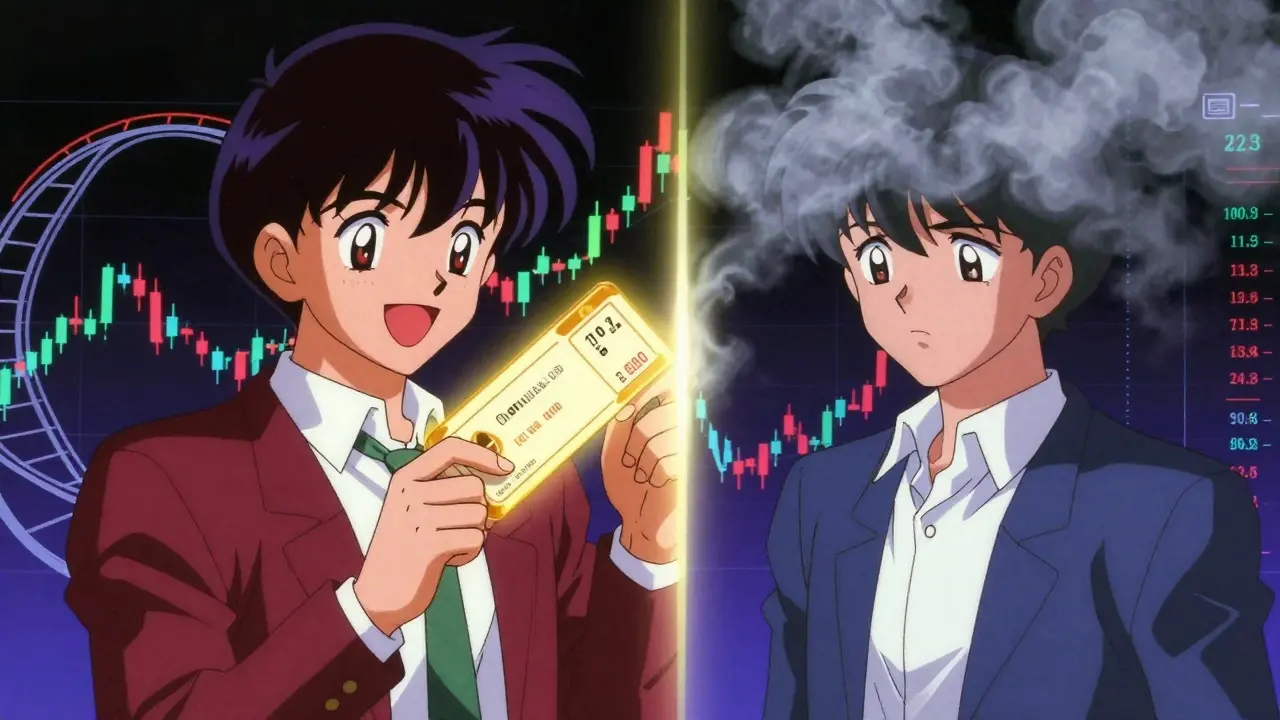
The native currency of the ecosystem is the BABY token. It is used for governance, staking rewards, and participating in platform incentives. The price history of BABY is a rollercoaster. In May 2024, due to a ticker mix-up with a project called Babylon, the price surged 5,280% to $0.082 in 24 hours. After the confusion cleared, the price crashed back down. As of mid-2024, the token hovered around $0.0093, though prices fluctuate daily.
Future predictions for BABY are wildly divergent. Here is what analysts are saying:
- Bullish Case: CoinLore’s technical analysis team forecasts BABY could reach $0.2587 in 2025, representing an 873% increase. Their long-term model suggests it could hit $2.09 by 2040.
- Bearish Case: WalletInvestor projects a downturn to $0.02267 by late 2025, citing weak fundamentals and historical volatility.
- Middle Ground: Some analysts see moderate growth if BabySwap successfully expands to Ethereum Layer 2 solutions, as hinted in their roadmap.
Keep in mind that these are models, not guarantees. The crypto market is influenced by countless external factors, including regulatory changes and broader economic trends. Always do your own research (DYOR) before investing in any token.
How to Use BabySwap: A Step-by-Step Guide
If you decide to take the plunge, here is how to get started. The process is similar to using other DEXs, but keep an eye on the details.
- Set Up a Wallet: Download MetaMask or Trust Wallet. Ensure it is configured for the Binance Smart Chain network.
- Fund Your Wallet: Buy BNB (Binance Coin) on a centralized exchange like Binance or Coinbase. Transfer it to your wallet address. You will need BNB to pay for gas fees.
- Connect to BabySwap: Visit the official BabySwap website. Click "Connect Wallet" and approve the connection in your wallet app.
- Select a Token Pair: Choose the token you want to swap. Remember, most tokens here are BEP-20 standard.
- Adjust Slippage Tolerance: Due to low liquidity, you may need to increase your slippage tolerance (e.g., to 5% or higher) for the transaction to go through. Be cautious, as high slippage can lead to unfavorable prices.
- Confirm the Swap: Review the details carefully. Check the output amount and the fee. Once confirmed, the transaction will be broadcast to the blockchain.
The learning curve is relatively low. Most users report becoming proficient within 1-2 hours. However, the real challenge lies in due diligence. Identifying which new projects are legitimate and which are scams requires serious effort.
Is BabySwap Right for You?
BabySwap is not for everyone. If you are a conservative investor looking for stability, stick to established exchanges like Binance or Coinbase. If you are a high-volume trader, PancakeSwap or Uniswap will offer better liquidity and lower slippage.
However, if you are an experienced DeFi enthusiast who enjoys hunting for early-stage gems, BabySwap offers a unique opportunity. Its integrated NFT and GameFi features provide a holistic experience for project launches. The key is to manage your risk. Never invest more than you can afford to lose. Start with small amounts, verify the legitimacy of every project, and be prepared for extreme volatility.
The platform’s future depends on its ability to improve liquidity and enhance transparency. With planned integrations into Ethereum Layer 2 solutions, BabySwap is trying to evolve. Whether it succeeds in becoming a major player or remains a niche experiment remains to be seen. For now, it stands as a bold, risky, and potentially rewarding corner of the crypto world.
Is BabySwap safe to use?
BabySwap is a non-custodial platform, meaning your funds remain in your wallet. However, safety risks exist due to low liquidity, potential smart contract vulnerabilities, and the presence of unvetted scam tokens. Always perform thorough due diligence on any project you interact with.
What is the minimum investment on BabySwap?
There is no strict minimum investment set by the platform. However, you need enough BNB to cover gas fees. Given the volatility and slippage risks, experts recommend starting with small amounts (e.g., $10-$50) to test the waters.
Why did BABY token price surge in May 2024?
The surge was caused by a ticker mix-up with another project named Babylon, which also used the BABY ticker. Traders mistakenly bought BabySwap’s BABY token, driving the price up by over 5,000% in 24 hours before crashing back down.
Can I use BabySwap on Ethereum?
Currently, BabySwap operates exclusively on the Binance Smart Chain (BSC). The roadmap mentions plans to integrate with Ethereum Layer 2 solutions, but as of now, you must use BSC-compatible wallets and tokens.
How does BabySwap compare to PancakeSwap?
PancakeSwap is a giant with deep liquidity and high volume, suitable for established tokens. BabySwap is a niche platform focused on new, early-stage projects with integrated NFT and GameFi features. It has much lower liquidity and higher risk but offers opportunities for finding pre-launch gems.