Every time you send Bitcoin or Ethereum, it doesn’t just vanish into the ether. It gets packed into something called a block-a digital container that holds dozens, sometimes hundreds, of transactions. These blocks are the building blocks of the entire cryptocurrency system. Without them, there’s no blockchain. No transparency. No security. No trust. So how do they actually work? Let’s break it down, step by step.
What Exactly Is a Block?
A block is like a page in a digital ledger. Instead of paper, it’s made of code. Each block stores a batch of verified transactions-like Alice sending 0.5 BTC to Bob, or Charlie buying a digital asset from a smart contract. Once a block is full, it gets sealed with a unique fingerprint and chained to the one before it. That’s why it’s called a blockchain: blocks linked together in a line.
Blocks aren’t just storage units. They’re security devices. Every block contains cryptographic proof that everything inside it is legitimate and hasn’t been tampered with. If even one transaction changes, the entire block’s fingerprint changes. And because each block references the one before it, any attempt to alter an old block would break every block after it. That’s what makes blockchain tamper-proof.
The Two Main Parts: Header and Body
Every block has two core sections: the header and the transaction body. They do completely different jobs.
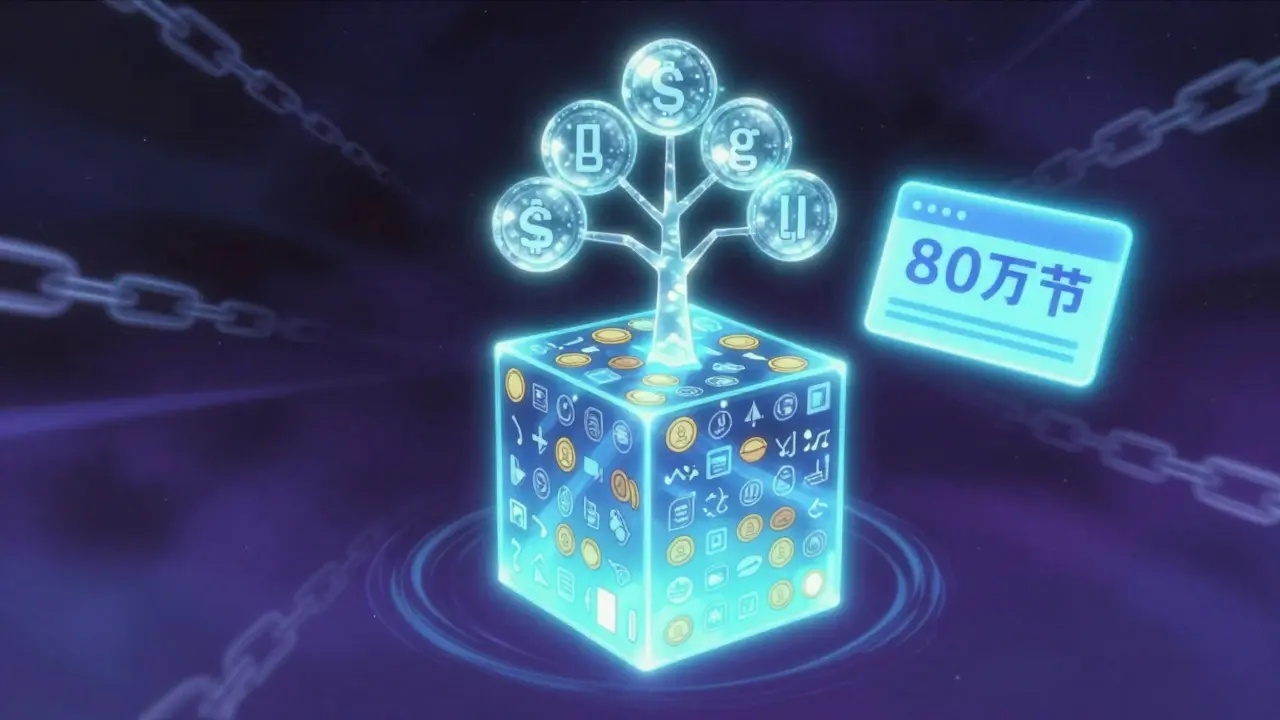
The block header is small-just 80 bytes-but it carries the weight of the entire chain. It’s the block’s ID card. Inside, it holds six key pieces of data:
- Version: A 4-byte number that tells the network which rules this block follows. Bitcoin started with version 1, and updates change this number.
- HashPrevBlock: A 32-byte hash of the previous block’s header. This is the link that chains blocks together. No previous block? No chain. Simple as that.
- HashMerkleRoot: A single hash that represents all the transactions in this block. It’s like a summary of every transaction, compressed into one string. This lets nodes verify thousands of transactions without downloading each one.
- Timestamp: A 4-byte number showing when the block was created. Not exact to the second, but close enough to order events.
- Difficulty Bits: A 4-byte value that sets how hard it is to mine this block. It adjusts every 2,016 blocks to keep Bitcoin’s block time around 10 minutes.
- Nonce: A 4-byte number miners change over and over until they find a hash that meets the network’s difficulty target. It’s the answer to the puzzle.
The transaction body is where the real action happens. This is where all the sender-receiver-data lives. In Bitcoin, each block can hold up to 1 MB of transaction data. That’s about 2,000-3,000 transactions, depending on their complexity.
Each transaction inside has its own structure:
- TxIn_count: How many inputs (where the money came from) are in this transaction.
- TxIns: The actual inputs-usually references to previous transactions and their digital signatures.
- TxOut_count: How many outputs (where the money is going).
- TxOuts: The addresses and amounts being sent.
- ScriptWitness: For SegWit transactions, this holds the signature data separately to save space.
- Lock_time: A timestamp or block number that says when this transaction becomes valid. Most are set to 0, meaning they’re valid immediately.
The very first transaction in every block is special. It’s called the coinbase transaction. This is how new Bitcoin enters circulation. Miners get rewarded with fresh coins (currently 3.125 BTC per block as of 2026) plus transaction fees. No input needed-this transaction creates money out of thin air, but only if the block is valid.
How Blocks Get Created and Verified
Blocks don’t just appear. They’re built by miners or validators.
First, transactions flood the network. Nodes check them: Is the sender’s balance enough? Are the signatures valid? Is this the same coin being spent twice? Only clean transactions make it into the candidate block.
Then, a miner grabs these transactions, arranges them into a block, and starts hashing the header. They tweak the nonce, over and over, until the hash starts with enough zeros to meet the network’s difficulty target. This is Proof of Work. It takes serious computing power. On average, it takes 10 minutes to find the right nonce for Bitcoin.
Once found, the miner broadcasts the new block to the network. Other nodes check: Is the header valid? Are the transactions real? Does the hash match? If everything checks out, they accept the block and start building on top of it.
This is why blockchain is secure. To alter a block, you’d have to redo all the work from that point forward-and outpace every other miner on the network. That’s nearly impossible with Bitcoin’s current hash rate, which is over 800 exahashes per second.
Why the Merkle Tree Matters
Imagine you have 1,000 transactions in a block. Checking each one individually would be slow. That’s where the Merkle tree comes in.
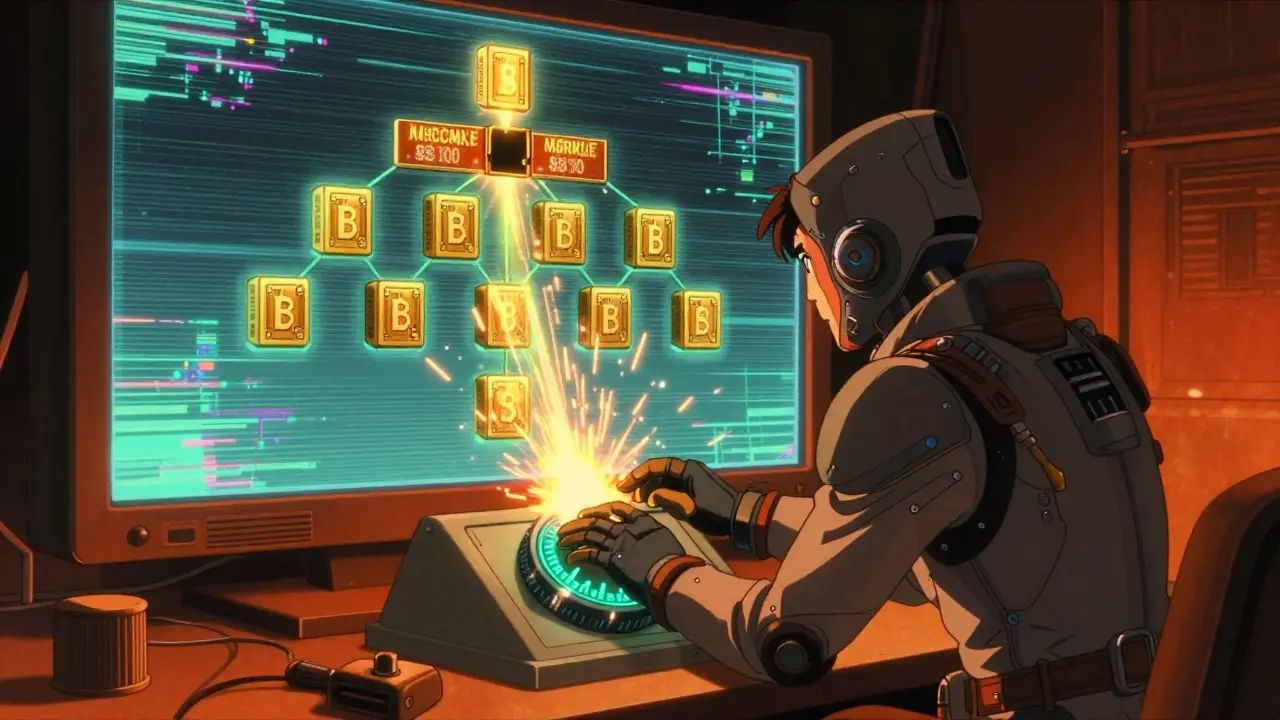
The Merkle tree is a binary tree made of hashes. Each transaction is hashed. Then pairs of hashes are hashed together, then pairs of those, until you get one final hash: the Merkle root. This root is stored in the block header.
Why is this useful? Let’s say you want to prove one transaction was included in a block. You don’t need to download the whole block. You just need the Merkle root and a short path of hashes leading to your transaction. This is called a Merkle proof. It’s how lightweight wallets (like mobile apps) verify transactions without storing the entire blockchain.
It’s also efficient. If one transaction changes, the entire Merkle root changes. So tampering is instantly detectable.
Block Size and Its Limits
Bitcoin’s 1 MB block size limit was set in 2010 to prevent spam and keep the network decentralized. But as adoption grew, it became a bottleneck. Transactions queued up. Fees rose. People started arguing: Should we increase the size? Should we change the structure?
The solution came with SegWit (Segregated Witness) in 2017. Instead of cramming signatures into the 1 MB limit, SegWit moved them to a separate section. This freed up space. A block could now hold more transactions without technically increasing the size. It’s like adding a second floor to a building without changing the footprint.
Other blockchains handle this differently. Ethereum uses a dynamic gas limit, letting block size adjust based on network demand. Solana pushes blocks to 10-20 MB, prioritizing speed over decentralization. Bitcoin stuck with its 1 MB base, but SegWit made it smarter.
Blocks Are the Foundation
Blocks aren’t just technical details. They’re the reason cryptocurrency works without banks. They ensure:
- Immutability: Once a block is confirmed, changing it is practically impossible.
- Transparency: Anyone can look at any block and see every transaction ever made.
- Decentralization: No single server holds the ledger. Thousands of nodes each have a copy.
- Security: Cryptographic links and Proof of Work make attacks cost more than they’re worth.
Understanding block structure isn’t about memorizing bytes. It’s about realizing how a system can be trustless and still be reliable. Every time you send crypto, you’re relying on a chain of blocks-each one a tiny, perfectly constructed piece of a global, decentralized record.
What happens if two miners find a block at the same time?
When two miners solve a block almost simultaneously, the network temporarily has two competing chains. Nodes accept the first one they see, but continue working on both. The next block mined will extend one of them. The chain with the most cumulative work becomes the main chain. The other block becomes an orphan-its transactions get returned to the mempool to be included later. This is called a blockchain fork, and it’s normal. It happens about once every few days on Bitcoin.
Can a block be empty?
Yes, technically. A block can have just the coinbase transaction and nothing else. This happens when there aren’t enough transactions waiting to be confirmed, or when a miner wants to get the reward quickly without waiting. Empty blocks are rare but perfectly valid. They still contain the full header and the reward transaction.
How does the nonce prevent cheating?
The nonce doesn’t prevent cheating by itself-it’s part of Proof of Work. Miners must try billions of nonce values to find one that produces a hash below the target. This takes time and energy. If someone tries to alter a block, they’d have to redo all that work for that block and every block after it. Since the network’s total computing power is massive, no single miner can outpace it. The nonce is the key that unlocks the block, and only legitimate work gets rewarded.
Why is the hash of the previous block so important?
It’s the chain. Without it, blocks would be separate, unconnected records. The hash of the previous block ties each new block to the history before it. If you change any data in Block 100, its hash changes. That means Block 101’s "HashPrevBlock" field becomes invalid. Block 102 then rejects it. This creates a domino effect. To rewrite history, you’d need to recalculate every block after the tampered one-which is computationally impossible on a live network.
Do all cryptocurrencies use the same block structure?
No. Bitcoin’s structure is the original, but others have changed it. Ethereum uses a similar header but includes extra fields for smart contracts and uncle blocks. Litecoin uses the same 80-byte header as Bitcoin but adjusts the difficulty every block instead of every 2,016. Cardano uses a completely different consensus model (Proof of Stake) and doesn’t rely on mining at all. Block structure varies based on consensus rules, scalability goals, and design philosophy.
What Comes Next?
If you understand blocks, you understand the core of crypto. The next step is learning how consensus mechanisms differ. Proof of Work (Bitcoin) vs. Proof of Stake (Ethereum) changes how blocks are created, but not their structure. Or explore how Layer-2 solutions like the Lightning Network bypass block size limits entirely. Or dig into how block explorers like Blockchain.com show you every block in real time. The deeper you go, the clearer it becomes: blocks aren’t just data. They’re the foundation of a new kind of money.