
Imagine trying to buy something that millions of people worldwide use daily, but doing so could land you in prison. That is the reality for many Tunisians interested in underground crypto trading. Since May 2018, the Central Bank of Tunisia (BCT) has banned all cryptocurrency transactions. Yet, instead of disappearing, the market went deeper underground, evolving into a sophisticated shadow economy driven by tech-savvy citizens determined to bypass government controls.
This isn't just about breaking rules; it's about survival and opportunity in an economy where capital controls are strict and inflation can erode savings quickly. For years, this ban created a paradox: while the state explored blockchain technology for its own use, ordinary citizens faced severe legal risks for holding or trading digital assets. Now, as of mid-2026, the landscape is shifting. Parliamentary committees are debating decriminalization, but until laws change, the underground market remains active, risky, and complex.
How the Underground Market Operates
Without licensed exchanges operating within Tunisia’s borders, traders have turned to peer-to-peer (P2P) platforms as their primary infrastructure. These platforms connect buyers and sellers directly, allowing them to negotiate prices and payment methods without a central intermediary facilitating the trade on local soil.
Binance P2P is the dominant platform for Tunisian crypto users, offering high liquidity and multiple fiat currency options. It serves as the de facto exchange for thousands of residents who need to convert Tunisian Dinars (TND) into cryptocurrencies like Bitcoin or USDT. Other platforms like LocalBitcoins were historically significant but have seen reduced activity due to global regulatory pressures. International centralized exchanges such as MEXC, KuCoin, OKX, and Gate.io are also used, though accessing them requires additional technical steps.
The most popular assets in this underground ecosystem are Bitcoin (BTC), Ethereum (ETH), and Tether (USDT). USDT is particularly favored because it offers stability against the volatile dinar, acting as a digital dollar reserve for those looking to preserve purchasing power. However, the lack of local licensing means every transaction carries inherent counterparty risk-there is no consumer protection if a seller disappears after receiving funds.
Circumventing Restrictions: Tools and Techniques
To participate in this market, Tunisians must navigate two major hurdles: internet censorship and banking blocks. The government occasionally restricts access to known crypto-related websites and monitors financial institutions for suspicious activity.
- Virtual Private Networks (VPNs): Most traders rely on reliable VPN services to mask their IP addresses and bypass geo-blocks targeting crypto platforms. This is not optional; attempting to access these sites directly often results in connection timeouts or redirects to warning pages.
- Non-Custodial Wallets: Users prioritize self-custody solutions. Storing assets on hardware wallets or secure mobile apps reduces reliance on third-party exchanges that might freeze accounts upon detecting Tunisian IP addresses or bank transfers.
- Cash-Based Workarounds: Since banks block crypto-related withdrawals, traders often meet in person to exchange cash for crypto, or use informal value transfer systems that mimic traditional hawala networks, though this increases fraud risk.
These methods require a steep learning curve. A wrong move-such as using a credit card linked to a local bank for an international purchase-can trigger automatic alerts from the banking system, leading to frozen accounts and potential investigations.
The Banking Blockade and Fiat Conversion Challenges
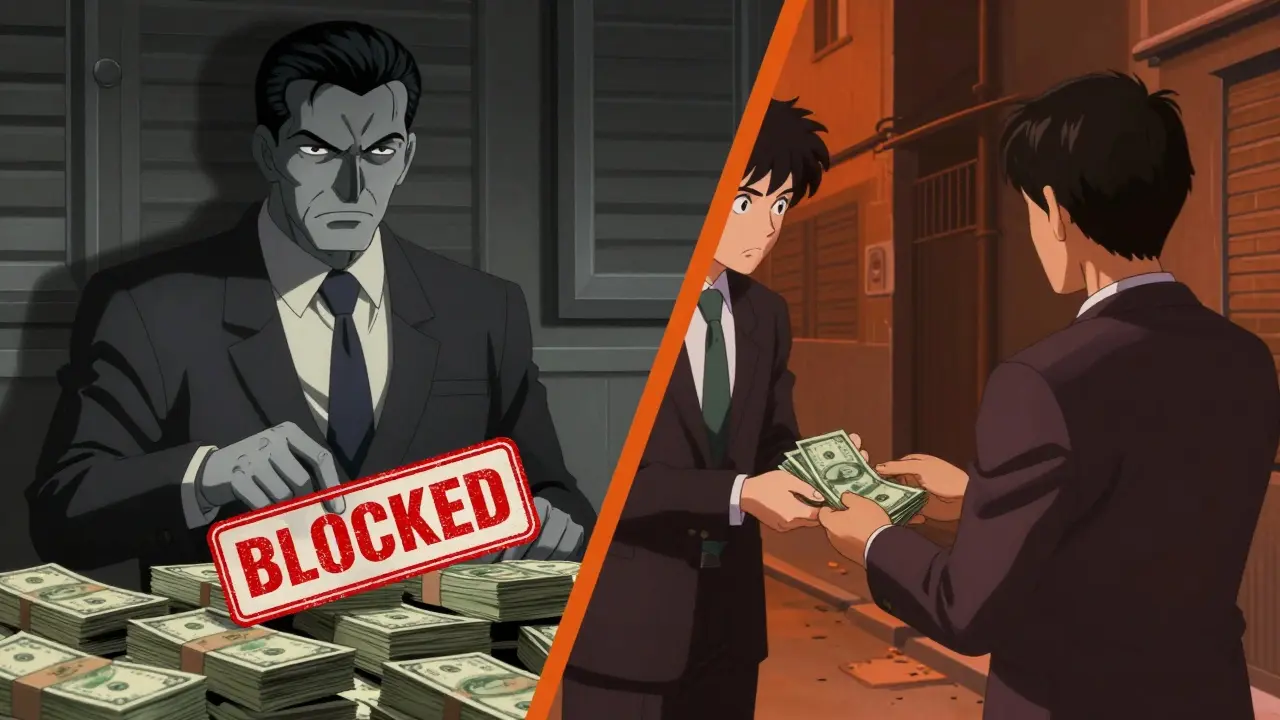
The biggest bottleneck in Tunisia’s underground crypto scene is converting profits back into spendable currency. Tunisian banks are instructed to monitor and block transactions associated with cryptocurrency activities. This creates a severe liquidity problem for traders.
When a user tries to withdraw fiat money from a P2P sale, they often face rejection at the banking level. Banks cite violations of foreign exchange regulations and anti-money laundering (AML) protocols. As a result, many traders operate entirely in cash or use informal networks to move value. This isolation from the formal banking sector limits the scale of operations and exposes participants to higher security risks, including theft and scams.
The contradiction here is stark. While Poste Tunisienne, the state postal service, has been experimenting with blockchain-based payment systems for remittances, private citizens are penalized for using similar technology. This dual approach highlights a regulatory gap where the state seeks technological benefits without granting citizens the same freedoms.
Legal Risks and Enforcement Reality
The legal framework in Tunisia categorizes cryptocurrency as illegal for public use. This is not a gray area; it is a prohibition. Under current law, engaging in crypto trading can lead to criminal prosecution, fines, and imprisonment.
A notable case occurred in 2021 when a teenager was jailed for operating a small-scale crypto exchange. This incident sparked national debate and prompted cabinet-level discussions about whether the current punitive approach was effective. Despite these discussions, enforcement remains strict. The Tunisian Financial Analysis Committee (CTAF) works closely with banks to identify suspicious patterns. If your account shows frequent transfers matching crypto trading volumes, expect scrutiny.
Compliance requirements for legitimate businesses include rigorous Anti-Money Laundering (AML) checks, Customer Due Diligence (CDD), and Know Your Customer (KYC) procedures. For underground traders, there is no compliance shield. Every transaction is technically illicit, meaning victims of fraud have no legal recourse. This lack of protection is the single greatest danger of the underground market.
| Feature | Tunisia (Underground) | Regulated Markets (e.g., EU, Canada) |
|---|---|---|
| Legality | Illegal / Criminal Offense | Legal with Licensing |
| Bank Integration | Blocked / Monitored | Fully Integrated |
| Consumer Protection | None | Insurance & Recourse Available |
| Primary Platforms | P2P (Binance, LocalBitcoins) | Licensed Exchanges (Coinbase, Kraken) |
| Risk Level | High (Legal + Fraud) | Moderate (Market Volatility) |
Economic Impact: Brain Drain and Innovation Loss
The prohibition has unintended economic consequences. Rather than stopping crypto adoption, it has accelerated brain drain. Talented developers, entrepreneurs, and tech enthusiasts are migrating to countries like Canada, Switzerland, and Singapore, where digital assets are legally recognized and protected.
This exodus deprives Tunisia of potential tax revenue, innovation, and job creation. Many young Tunisians are skilled in blockchain development, DeFi protocols, and NFT creation. Instead of building these industries locally, they relocate to jurisdictions that welcome them. Meanwhile, the state loses out on the economic benefits of a vibrant fintech sector.
Some locals have adapted by focusing on non-crypto blockchain applications, such as supply chain management and secure voting systems. These areas do not directly contravene banking laws and allow tech firms to explore distributed ledger technology without triggering legal alarms. However, this is a narrow path that excludes the broader financial inclusion benefits of cryptocurrencies.

The Future: Decriminalization and Regulatory Shifts
As of 2026, the wind is changing direction. Parliamentary committees are actively reviewing a draft bill aimed at decriminalizing cryptocurrency possession and establishing a licensing regime. This signals a recognition that prohibition is unenforceable and economically damaging.
The Central Bank of Tunisia has also advanced its research into Central Bank Digital Currencies (CBDCs). While a CBDC would remain under state control, its development suggests a growing comfort with digital asset infrastructure. There are whispers of potential peer-to-peer trading regulations emerging, which could eventually bring P2P platforms into a supervised framework.
However, timelines remain uncertain. Until legislation passes, the status quo persists. Traders should prepare for both scenarios: continuing cautiously in the underground market now, while positioning themselves to benefit from potential legalization later. This might involve documenting transaction histories securely and understanding future KYC/AML requirements that will likely apply once regulation arrives.
Safety Guidelines for Current Participants
If you are currently involved in underground trading, prioritize safety above all else. Here are critical practices to minimize risk:
- Never Use Linked Bank Cards: Avoid linking local debit or credit cards to international exchanges. Use prepaid cards issued abroad if possible, or stick to cash-based P2P trades.
- Verify Counterparties: On P2P platforms, only trade with users who have high completion rates and positive feedback. Check their history meticulously.
- Use Escrow Services: Always utilize the platform’s escrow feature. Never release crypto before confirming receipt of fiat funds, and never send fiat before seeing the crypto locked in escrow.
- Keep Records Secure: Maintain offline backups of your wallet keys and transaction records. In a legal dispute or account freeze, proof of ownership is crucial.
- Avoid Public Discussion: Do not discuss your trading activities on social media or with acquaintances who may report you. Discretion is your best defense.
Remember, the absence of regulation means the absence of help. You are solely responsible for your security and legal standing.
Is it illegal to hold cryptocurrency in Tunisia?
Yes, under current regulations enforced since 2018, the possession and trading of cryptocurrencies are prohibited for the general public. While enforcement primarily targets large-scale exchanges and commercial activities, individual holders can still face legal risks, especially if they attempt to convert crypto to fiat through formal banking channels.
Can I use Binance in Tunisia?
Technically, yes, but illegally. Binance operates globally, and many Tunisians use its P2P marketplace via VPNs. However, Binance does not offer direct fiat on-ramps for Tunisian Dinars through official banking partnerships due to the ban. Using the platform violates local laws, and users must rely on peer-to-peer cash transactions, which carry significant fraud and legal risks.
Will Tunisia legalize crypto soon?
There is strong momentum toward legalization. Parliamentary committees are reviewing bills to decriminalize possession and create a licensing framework. However, no specific date for implementation has been set. The process involves balancing Islamic finance principles, anti-money laundering standards, and economic realities, which takes time.
What happens if my bank detects crypto transactions?
Your bank may freeze your account and report the activity to the Tunisian Financial Analysis Committee (CTAF). This can lead to an investigation, potential fines, and legal action. Banks are mandated to enforce capital controls and AML regulations, making them vigilant against any activity resembling crypto trading.
Are there any safe ways to trade crypto in Tunisia right now?
No method is completely safe due to the legal ban. However, using reputable P2P platforms with escrow services, verifying counterparties thoroughly, and avoiding formal banking channels for crypto-related transfers can reduce operational risks. Always prioritize privacy and discretion to mitigate legal exposure.


