
Have you seen the buzz about The Recharge Incentive Drop is a cryptocurrency distribution event currently lacking verifiable official information? You are not alone. Social media feeds and Telegram groups are flooded with claims that this "Unknown details" airdrop will make you rich overnight. But here is the hard truth: there is zero credible data to support its existence. When an airdrop has no whitepaper, no verified team, and no presence on major tracking sites like CoinGecko or CoinMarketCap, it is usually a trap.
In the world of cryptocurrency is a digital asset using cryptography for security and decentralized ledger technology, silence is suspicious. Legitimate projects scream their existence through audits, community engagement, and clear roadmaps. This guide breaks down why you should stay away from vague promises and how to spot real opportunities before you lose your hard-earned capital.
Why "Unknown Details" Should Be Your Red Flag
If a project cannot tell you who they are, why are you giving them anything? The phrase "Unknown details" attached to The Recharge Incentive Drop is not mysterious; it is dangerous. In 2026, the crypto space is mature enough that every legitimate launch has a footprint. If you search for the project name and find only low-effort blog posts or anonymous Twitter accounts, stop immediately.
Scammers rely on FOMO (Fear Of Missing Out). They create urgency by claiming the window is closing. Real projects like Uniswap is a decentralized exchange protocol that allows peer-to-peer trading without intermediaries took months to build trust before their famous retroactive airdrop. They didn't hide behind anonymity. They published code, engaged with developers, and were transparent about risks. If "The Recharge Incentive Drop" does not have a GitHub repository, a doxxed team, or partnerships with known entities, treat it as a high-risk gamble at best and a scam at worst.
How Crypto Airdrops Actually Work
To understand why this specific drop is suspect, let's look at how legitimate airdrops function. An airdrop is a marketing strategy where blockchain projects distribute free tokens to wallet addresses serves three main purposes: user acquisition, community building, and decentralization of governance. Projects don't give away millions of dollars for charity. They want you to use their platform.
There are four main types of legitimate airdrops you should know:
- Task-Based Airdrops: These require simple actions like following a Twitter account, joining a Discord server, or retweeting a post. Examples include early-stage projects trying to build social proof. They are low risk but also low reward.
- Interaction-Based Airdrops: These require you to use the protocol. You might swap tokens on a DEX, lend assets in a DeFi pool, or bridge funds between chains. Arbitrum is an Ethereum Layer 2 scaling solution that processes transactions off-chain to reduce costs rewarded users who bridged ETH and interacted with dApps on its network. This type carries gas fees and smart contract risk.
- Holder Airdrops: These reward loyalty. If you held a specific token at a certain snapshot time, you get a new token. NEO is a blockchain platform that enables the development of smart contracts and distributed applications sent ONT tokens to NEO holders in 2018. This requires upfront investment and patience.
- Retroactive Airdrops: These surprise past users. ENS (Ethereum Name Service) gave tokens to people who registered .eth domains early. This rewards early adopters but is unpredictable.
Notice a pattern? All these examples had clear criteria, public announcements, and verifiable history. "The Recharge Incentive Drop" has none of these.
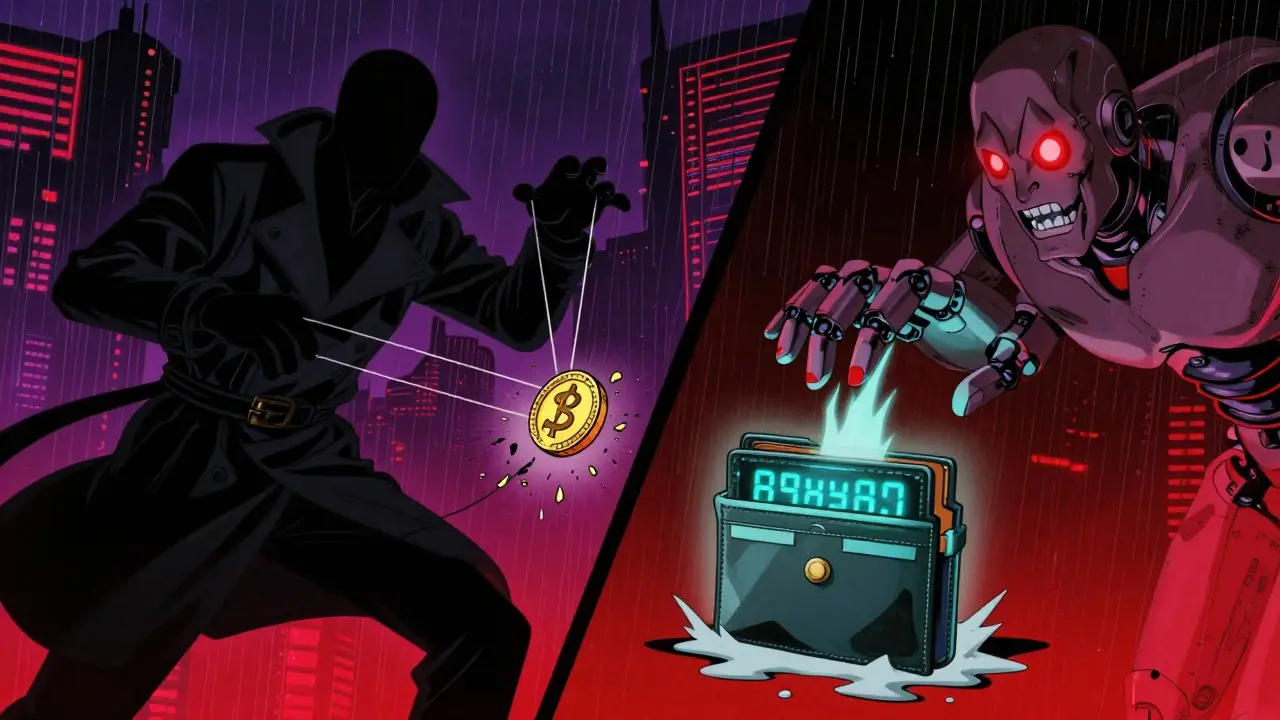
The Anatomy of a Fake Airdrop
When a project lacks transparency, it often falls into one of two scam categories. Understanding these helps you protect yourself.
1. The Pump-and-Dump Scheme Scammers create a token, hype it up via fake influencers, and list it on a decentralized exchange. Once retail investors buy in, the creators sell their large holdings, crashing the price to near zero. You end up holding worthless tokens. Since "The Recharge Incentive Drop" has no known liquidity pool or contract address, this is a likely scenario if it ever launches.
2. The Wallet Drainer This is more dangerous. The site asks you to connect your wallet to "claim" the airdrop. In reality, the smart contract grants permission for the scammers to drain your existing assets. Always check the permissions requested. Never sign a transaction that gives unlimited allowance to an unknown contract.
| Feature | Legitimate Project | Suspicious Drop (e.g., Recharge Incentive) |
|---|---|---|
| Team Identity | Doxxed or reputable pseudonyms | Anonymous or "Unknown details" |
| Whitepaper/Audit | Publicly available and audited | Missing or copied from other projects |
| Community | Active Discord/Telegram with mods | Bots, spam, or silent channels |
| Contract Address | Verified on Etherscan/Solscan | No contract or newly created unverified code |
| Requirements | Clear tasks or holding periods | Vague promises of "free money" |
How to Verify Any Airdrop in 2026
You don't need to be a developer to spot a scam. Follow this checklist before connecting your wallet to any new opportunity.
- Check Official Sources: Go directly to the project's official website, not links from Telegram or Twitter. Look for a "Team" page. If it says "Anonymous," proceed with extreme caution.
- Search for Audits: Legitimate DeFi projects undergo security audits by firms like CertiK, OpenZeppelin, or Trail of Bits. If there is no audit report, the code could contain backdoors.
- Verify Community Activity: Join their Discord. Ask questions. If bots reply instantly or moderators ban anyone asking critical questions, leave. Real communities have human conversations.
- Analyze Tokenomics: Who holds the majority of tokens? If the team holds 50%+ or there is a large unlocked supply, they can dump on you. Use tools like Dune Analytics is a platform for creating dashboards and visualizations from blockchain data to see holder distribution.
- Look for Listings: Is the project listed on CoinGecko or CoinMarketCap? If not, it is likely too new or illegitimate to track.
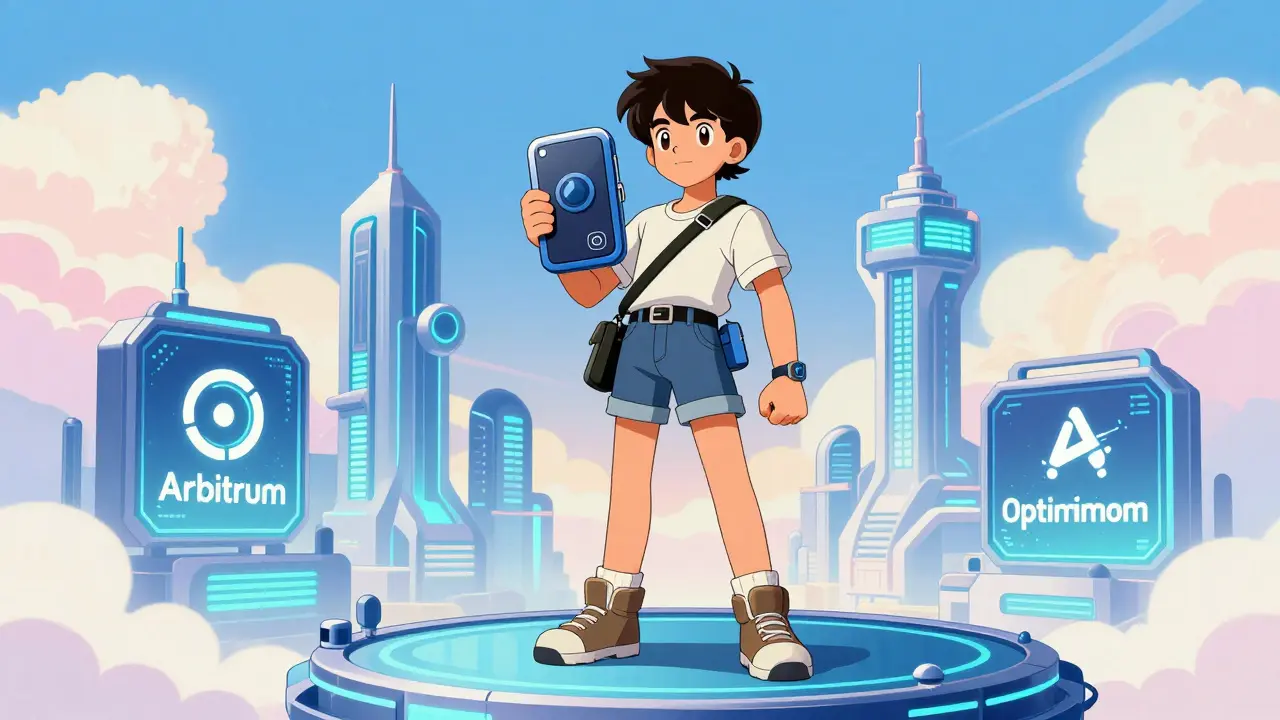
Safer Alternatives for Airdrop Hunters
If you are looking for genuine opportunities, focus on established ecosystems. Layer 2 solutions and new blockchains often reward early testers.
Layer 2 Networks: Projects like Optimism and zkSync have historically rewarded users who bridge assets and use dApps on their networks. While past performance doesn't guarantee future results, these projects have strong backers and clear utility. Interacting with their testnets is a low-cost way to position yourself.
DeFi Protocols: Providing liquidity to established pools on platforms like Curve Finance or Aave sometimes yields governance tokens. This is a passive strategy that requires capital but offers predictable returns rather than speculative gambling.
Testnet Participation: New chains like Sui or Scroll often run testnets where users can help find bugs. These activities are recorded on-chain and may qualify for future rewards. The key is consistent, genuine usage, not just clicking buttons once.
Protecting Your Assets
Never use your primary wallet for airdrop hunting. Create a separate "burner" wallet with minimal funds. This isolates your risk. If you accidentally approve a malicious contract, only the small amount in that wallet is exposed.
Use hardware wallets like Ledger is a hardware wallet manufacturer that stores private keys offline for enhanced security or Trezor for signing transactions. This adds a layer of protection against malware that might steal browser session cookies.
Finally, remember that if something sounds too good to be true, it is. No legitimate project will ask you to send ETH or USDT to "verify" your wallet for an airdrop. That is always a scam.
Is The Recharge Incentive Drop a real airdrop?
There is no verifiable evidence that The Recharge Incentive Drop is a legitimate project. The lack of official documentation, team information, and presence on major crypto trackers suggests it is either a very new, unproven concept or a potential scam. Exercise extreme caution.
What does "Unknown details" mean in an airdrop context?
It means the project has not disclosed essential information such as the token contract address, distribution criteria, or team identity. In crypto, transparency is standard. Hiding details is a major red flag for fraudulent activity.
How can I spot a fake airdrop?
Look for missing audits, anonymous teams, poor grammar on official sites, and requests to send funds to claim rewards. Legitimate airdrops never require you to pay upfront fees to receive tokens.
Are there any safe airdrops available in 2026?
Safe airdrops come from established protocols with clear histories. Focus on Layer 2 networks like Arbitrum or Optimism, and DeFi giants like Uniswap or Aave. Always verify the project's legitimacy through multiple sources before participating.
Should I connect my main wallet to unknown airdrop sites?
Never. Use a separate burner wallet with minimal funds for interacting with unverified projects. This limits your exposure to potential hacks or wallet drainers.