Gunstar Metaverse: What It Is, Why It Faded, and What to Watch Instead
When you hear Gunstar Metaverse, a blockchain-based virtual world project that promised NFT-driven gameplay and player-owned economies. It was pitched as the next big thing in crypto gaming—combining action, collectibles, and decentralized ownership. But today, there’s no live game, no active community, and no exchange listings. It’s a ghost project, one of many that vanished after raising funds and dropping a whitepaper. Gunstar Metaverse wasn’t alone. It belonged to a wave of 2021–2022 crypto projects that sold dreams of digital worlds where you could earn while playing. But most never built anything real.
What separates a real blockchain game, a playable digital environment where in-game assets are owned by players via crypto tokens and NFTs. Also known as play-to-earn games, these projects rely on actual gameplay, not just token sales from a vaporware project? It’s simple: functionality. Real blockchain games like X World Games, a platform that actually launched a multiplayer battle arena with token rewards. Even though XWG later failed, at least it had a working prototype had playable levels, user controls, and real interactions. Gunstar Metaverse never got past marketing. No screenshots. No demo. No roadmap updates after 2022. Meanwhile, projects like Elemon, a Pokémon-style NFT game that distributed tokens through CoinMarketCap and later collapsed. Or ChessCoin, which claimed to be for chess lovers but never launched a board at least had a product—however flawed—that people could try.
The truth? Most crypto metaverse projects were never about gaming. They were about fundraising. Investors bought tokens expecting land sales, staking rewards, or future listings—not because they wanted to fight dragons in a pixelated world. And when the market turned, these projects vanished. No refunds. No explanations. Just silence. That’s why today, smart crypto users don’t chase hype. They look for teams with track records, open-source code, and actual players. They check if the game runs, if the token is traded, and if people still talk about it. If the answer to any of those is no, it’s not a metaverse—it’s a tombstone.
Below, you’ll find real case studies of crypto games that failed, scams that tricked users, and the few projects that actually delivered. You’ll see what to avoid—and what to look for—when the next big metaverse pitch lands in your inbox.
-
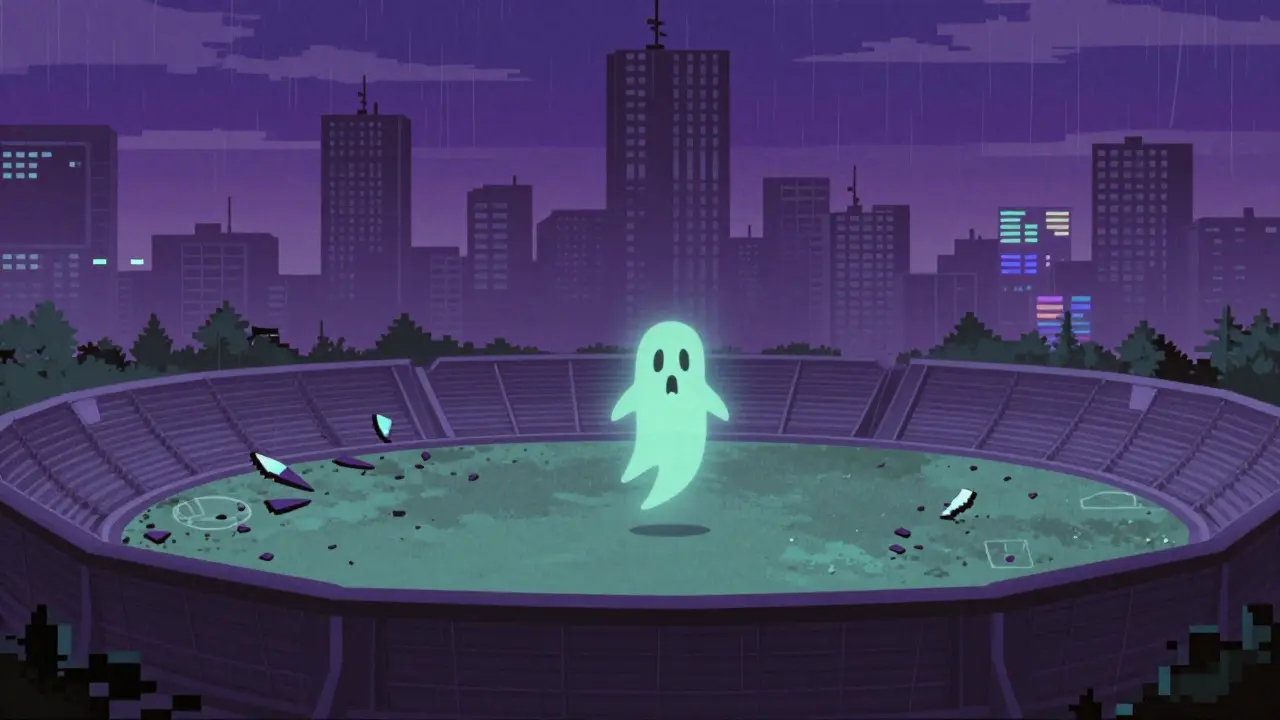
What is Gunstar Metaverse (GSTS) crypto coin? Real value or abandoned project?
Gunstar Metaverse (GSTS) is a crypto token tied to a blockchain game that doesn't exist. With near-zero trading volume, no team, and no updates, it's not an investment - it's a ghost coin.