Block Rewards: How Crypto Networks Pay Miners and Validators
When talking about block rewards, the new coins or tokens a blockchain creates each time a block is added to the chain. Also called mining or validator payouts, block rewards are the primary economic incentive that keeps a network secure. They are closely tied to proof of work, the consensus method where miners solve cryptographic puzzles to propose a block and to staking rewards, the earnings validators receive for locking up tokens in proof‑of‑stake systems. In simple terms, a block reward combines fresh token issuance with any transaction fees collected, forming a payment that compensates participants for protecting the ledger.
Key Components of Block Rewards
Block rewards consist of two main parts: new coin issuance and transaction fees. New coin issuance follows a pre‑programmed schedule, often featuring halvings that cut the reward in half after a set number of blocks. This schedule drives scarcity and influences market price, as seen with Bitcoin’s 6.25 BTC reward dropping to 3.125 BTC after the next halving. Transaction fees, on the other hand, are the tiny amounts users pay to have their transfers processed. In proof‑of‑work chains like Bitcoin, fees supplement the decreasing issuance, ensuring miners stay motivated even when the base reward shrinks. In proof‑of‑stake chains such as Ethereum after the Merge, the base issuance may be lower, but validators still earn a share of the fees, making the total reward a blend of both sources. The exact split varies: Bitcoin currently rewards miners at roughly 90 % issuance and 10 % fees, while newer networks like Cardano allocate a larger portion to fees to encourage active participation.
Different consensus models shape how rewards are distributed. With proof of work, the reward goes to the first miner who solves the puzzle, creating a competitive race that secures the network through hash power. Proof of stake replaces that race with a selection algorithm that picks validators based on stake size and other factors, spreading rewards among multiple participants each epoch. Some hybrid chains, such as Algorand, combine elements of both to balance security and energy use. Regardless of the model, the underlying principle stays the same: block rewards align economic incentives with network health. For miners, the reward‑to‑cost ratio determines whether mining remains profitable after accounting for electricity, hardware, and pool fees. For stakers, the annual percentage yield (APY) reflects how much they can earn by locking assets, often compared against traditional finance yields. Understanding these dynamics helps anyone—from hobbyist miners to institutional investors—evaluate whether a blockchain’s reward structure matches their risk appetite and profitability goals.
So what does all this mean for you? If you’re eyeing a crypto project, look at its block reward schedule, halving cadence, and fee policy before committing capital. A steep reward decline can squeeze miner margins, potentially leading to slower transaction processing or higher fees. Conversely, generous staking rewards may attract validator competition, boosting network decentralization. The interaction between new issuance and fees also signals long‑term sustainability: a well‑balanced reward model can keep the ecosystem secure even as inflation wanes. Below you’ll find a curated list of articles that dive deeper into specific exchanges, tokenomics, and security considerations—all framed around the block reward concepts introduced here. Happy reading, and may your rewards be steady!
-

What Are Block Rewards in Cryptocurrency? How Miners and Validators Get Paid
Block rewards are the payments miners and validators earn for securing blockchain networks. They include newly minted coins and transaction fees, and they're key to how cryptocurrencies like Bitcoin and Ethereum stay secure and decentralized.
-
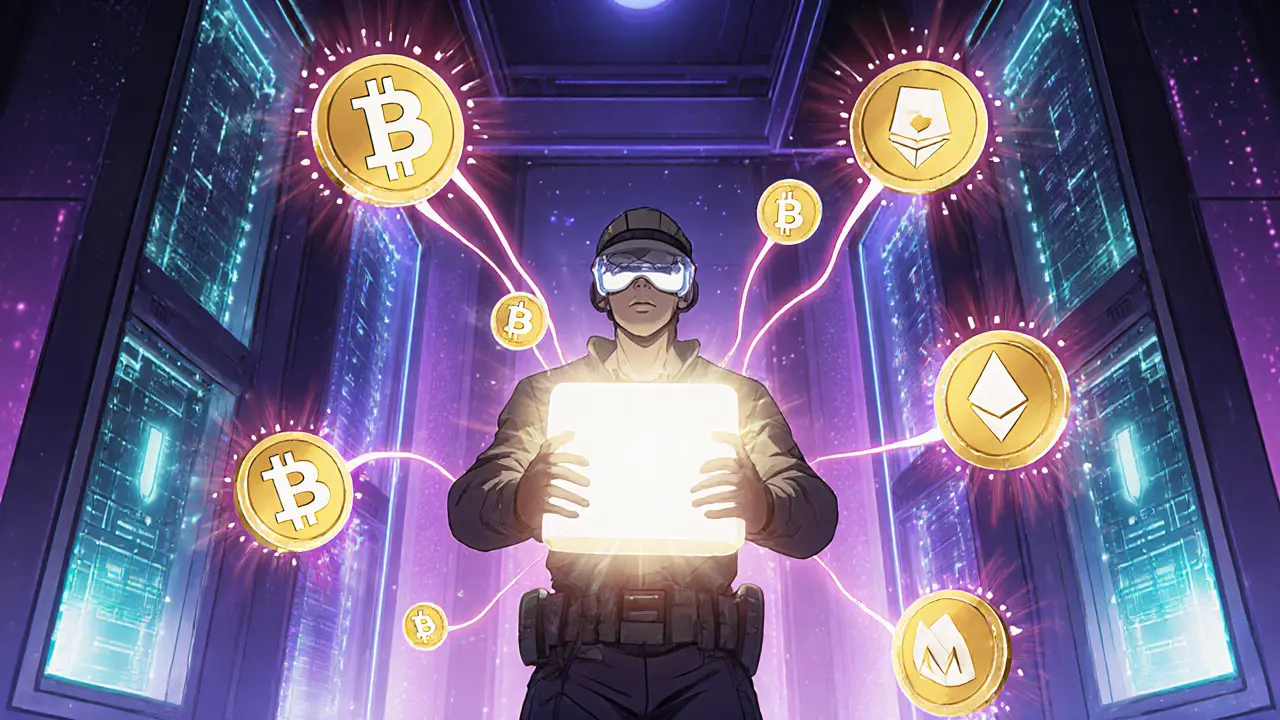
How Block Rewards Shape Cryptocurrency Inflation - Bitcoin, Ethereum, Monero
Explore how block rewards dictate cryptocurrency inflation, from Bitcoin's halving schedule to Ethereum's staking model and Monero's tail‑emission, and learn what it means for miners, investors, and network security.