
For over two decades, using crypto in Syria was like walking through a legal minefield. If you were a Syrian resident trying to access a global exchange or hold a digital wallet, you weren't just fighting unstable internet-you were fighting the U.S. Treasury. One wrong move could lead to frozen assets or massive fines. But the game changed completely in 2025. The shift from blanket bans to targeted restrictions has opened a door that was locked since 2004, though it's not an entirely open door just yet.
The Great Reset: From Total Ban to Targeted Rules
Until recently, the OFAC sanctions is the administrative arm of the U.S. Treasury that manages economic and trade sanctions based on U.S. foreign policy operated under a "blanket prohibition" model. If you lived in Syria, you were essentially invisible to the legal U.S. financial system. This ended with Executive Order 14312, issued on June 30, 2025. This order didn't just tweak the rules; it revoked six foundational executive orders that had isolated Syria's economy for years.
By August 26, 2025, OFAC officially removed the Syrian Sanctions Regulations (SySR) from the federal books. For the average Syrian crypto user, this means the legal barrier that made using a U.S.-based exchange a criminal offense has largely vanished. You no longer need to rely on shady underground channels or complex offshore shells just to move your own money.
What Is PAARSS and Why Does It Matter?
You might see a new acronym popping up in your account settings or compliance forms: PAARSS. On September 24, 2025, the government rebranded the sanctions program to the Promoting Accountability for Assad and Regional Stabilization Sanctions Regulations. This wasn't just a name change; it was a signal of a new strategy.
The logic is now "precision targeting." Instead of punishing the entire population, the U.S. is focusing on specific bad actors. This means that while the general public can now use cryptocurrency, people linked to the Bashar al-Assad regime, human rights abusers, and Captagon traffickers are still very much off-limits. If you're a regular citizen, the road is clear. If you're on the SDN List (Specially Designated Nationals), you're still blocked.
| Feature | Pre-July 2025 (SySR) | Post-July 2025 (PAARSS) |
|---|---|---|
| Scope | Comprehensive (Blanket ban) | Targeted (Specific individuals) |
| U.S. Exchange Access | Generally prohibited | Authorized for non-sanctioned users |
| Legal Risk | High (Civil/Criminal penalties) | Low for civilians; High for regime affiliates |
| Tech Imports | Strictly licensed/blocked | Authorized via License Exception SPP |
The "Green Light" for Hardware and Infrastructure
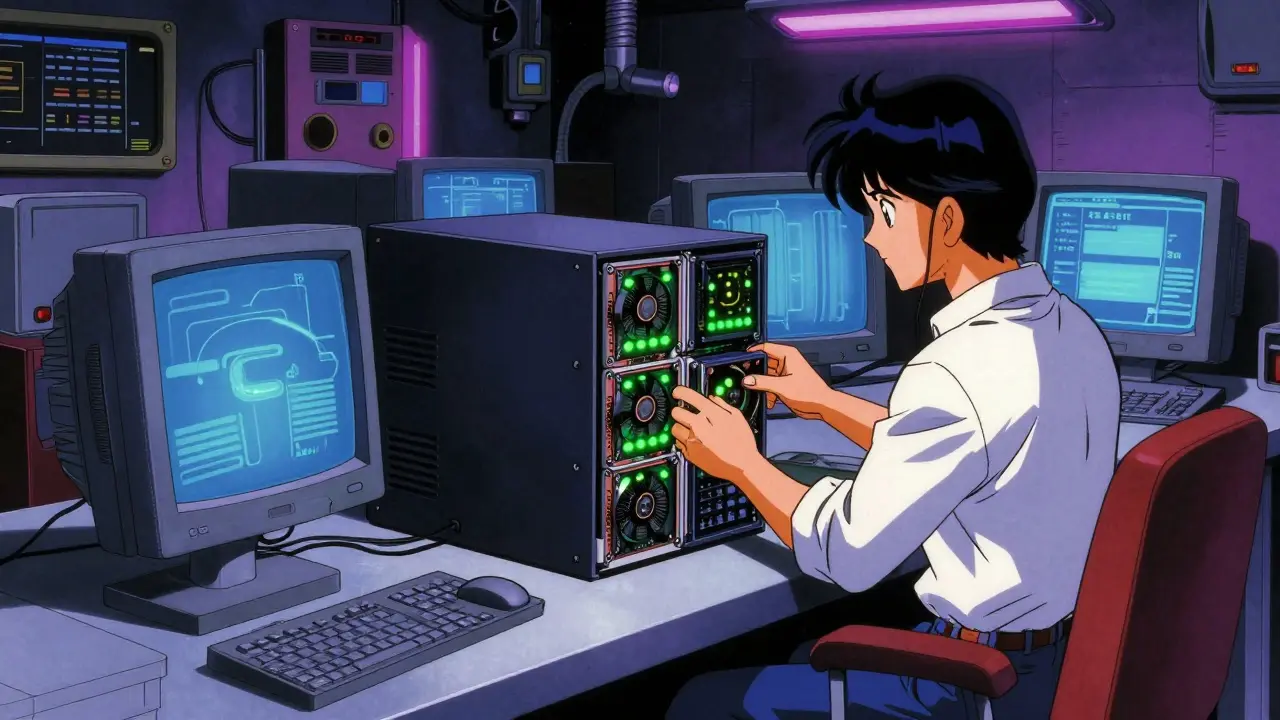
It's not just about software and trading. The Bureau of Industry and Security (BIS) stepped in on August 28, 2025, to fix the hardware problem. They created the License Exception Syria Peace and Prosperity (SPP). In plain English, this allows the export of EAR99 items-which include most commercial electronics-to Syria.
Why does this matter for crypto? Because now, mining rigs, blockchain server hardware, and high-end GPUs can legally enter the country. This supports the growth of a domestic Syrian blockchain ecosystem rather than just forcing users to use foreign cloud services. When you combine this with the Department of State's waiver of the Caesar Syria Civil Protection Act, you see a genuine push to integrate Syria into the digital economy.
Navigating Compliance: The User's Perspective
Even though the law has changed, your experience at a crypto exchange might still feel a bit bumpy. This is because of "over-compliance." Many platforms are scared of making a mistake and might still block Syrian IP addresses or demand excessive documentation. This is where FinCEN guidance comes in. Since June 2025, the Financial Crimes Enforcement Network has encouraged U.S. institutions to use a risk-based approach rather than a "block all" approach.
If you're a Syrian user, here is what you should expect during the Know Your Customer (KYC) process now:
- Strict Identity Verification: You'll need to prove you aren't on the SDN list. Expect to provide government IDs and possibly proof of residence.
- Source of Funds: Exchanges may ask where your crypto came from to ensure it isn't linked to sanctioned entities or illicit trade.
- IP Monitoring: While legal, some platforms still use geoblocking. Using a reputable service that recognizes the new PAARSS guidelines is key.

Remaining Risks and Red Flags
Don't mistake "relief" for "total freedom." There are still significant tripwires. First, any transaction involving ISIS, Al-Qa'ida, or Iranian proxies remains strictly illegal. Second, the U.S. government is still refining the PAARSS regulations. They've mentioned that 31 C.F.R. Part 569 will be supplemented with more definitions and licenses. This means the rules could shift again.
The biggest risk today is the "grey area." If you are doing business with a Syrian company that has ties to the government, you might accidentally trigger a violation of the targeted sanctions. The rule of thumb is simple: avoid any entity that is still listed by OFAC, regardless of how "small" the transaction seems.
Can Syrian citizens now use Coinbase or Binance.us?
Legally, yes, provided the user is not a sanctioned person (on the SDN list). However, individual company policies vary. Some platforms may still be updating their internal compliance filters to reflect the shift from SySR to PAARSS.
Is it legal to import crypto mining hardware to Syria now?
Yes. Thanks to the BIS License Exception Syria Peace and Prosperity (SPP) effective September 2, 2025, EAR99 items-including most mining hardware-can be exported and re-exported to Syria without the need for a specific individual license.
What happens if I accidentally send crypto to a sanctioned person?
This is still a serious violation. Even under the new targeted regime, interacting with SDN-listed individuals can lead to asset freezing and heavy civil penalties. Always screen wallets using blockchain analytics tools if you are dealing with high-value transfers.
What is the difference between the old SySR and the new PAARSS?
SySR was a comprehensive sanctions regime that banned almost all financial transactions with Syria. PAARSS is a targeted regime that only bans transactions with specific individuals and entities linked to the Assad regime, human rights abuses, or terrorism.
Do I still need a VPN to access crypto services in Syria?
While the U.S. government no longer prohibits these services, some private companies still use geoblocking for risk management. You may find that a VPN helps with access, but for KYC-verified accounts, your legal residency is what matters most.
Next Steps for Users and Providers
If you are a Syrian user, your first step should be to verify your status. Ensure you aren't on any updated SDN lists before attempting to link a U.S.-based account. If you're an exchange or a wallet provider, it's time to move away from "country-level blocking" and toward "entity-level screening." Using a risk-based approach as suggested by FinCEN will allow you to capture a new market of users while keeping your legal team happy.
Keep an eye on the official OFAC announcements regarding 31 C.F.R. Part 569. As more interpretive guidance is released, the process of onboarding Syrian users will become smoother and more standardized across the industry.


