
You might have heard stories about people buying digital dirt for millions of dollars back in 2021. Those days of wild speculation are over. Today, in mid-2026, Metaverse real estate investment is a strategic asset class involving the acquisition and development of virtual land parcels within blockchain-based platforms. It’s no longer just about flipping plots for quick cash; it’s about building sustainable revenue streams in digital worlds that are becoming central to how brands and communities interact.
If you’re looking to invest in virtual property, you need to understand that this isn’t a single market. It’s a collection of distinct ecosystems, each with its own currency, rules, and community. This guide breaks down how to navigate these worlds, what to look for when buying land, and how to actually make money from your digital holdings without getting burned by volatility or platform risk.
How Metaverse Real Estate Actually Works
At its core, virtual land is a piece of code on a blockchain. When you buy a plot, you receive a Non-Fungible Token (NFT) that serves as proof of ownership. Unlike traditional real estate, where deeds are held by local governments, your title is stored on a public ledger, usually Ethereum or a Layer-2 solution like Polygon.
The key difference here is scarcity and utility. In physical real estate, land is finite. In the metaverse, developers artificially limit supply to create value. For example, Decentraland has a fixed number of LAND parcels, while The Sandbox also caps its available ESTATEs. This artificial scarcity means that if demand grows-driven by users, events, or brand presence-the price can rise. But remember, that demand is entirely dependent on the platform staying relevant.
Here is what you need to know before spending any crypto:
- Ownership Rights: You own the deed (the NFT), but you don’t own the platform. If the platform shuts down, your land may become worthless code.
- Currency Requirements: Transactions happen in native tokens like MANA or SAND, which fluctuate wildly against USD.
- Development Costs: Buying land is just step one. Building on it often requires hiring developers, designers, or using complex creation tools.
Top Platforms for Virtual Land Investment in 2026
Not all metaverses are created equal. Some are social hubs, others are gaming zones, and some are purely commercial spaces. Your investment strategy should align with the platform’s primary use case. Here are the three dominant ecosystems you should be watching closely.
| Platform | Native Token | Primary Use Case | Ownership Model | Best For |
|---|---|---|---|---|
| Decentraland | MANA | Social gatherings, governance, events | Permanent NFT ownership | Community builders and event hosts |
| The Sandbox | SAND | Gaming, brand experiences, IP licensing | NFT-based LAND/Estate | Game developers and brand marketers |
| Somnium Space | CRT | VR-focused immersive experiences | NFT ownership with VR integration | VR enthusiasts and high-fidelity creators |
Decentraland remains the most mature social hub. It’s less about gaming and more about hanging out, attending conferences, and participating in decentralized governance. If you want to host a virtual gallery or a weekly meet-up, this is likely your best bet. The user base is older and more established, meaning traffic is steadier but growth is slower.
The Sandbox leans heavily into gaming and partnerships. Major brands like Adidas and Warner Music Group have built experiences here. If you’re an investor who believes in the power of intellectual property (IP) driving engagement, Sandbox land near major brand hubs can be lucrative. However, the competition is fierce, and standing out requires significant creative resources.
Somnium Space offers a different angle: high-fidelity virtual reality. It’s not as accessible because it requires a decent VR headset, but the immersion is unmatched. Investors here are betting on the future of VR hardware adoption. It’s a higher-risk, higher-reward play compared to the browser-based accessibility of Decentraland.
Where to Buy: Location Matters More Than Ever
In physical real estate, “location, location, location” is the golden rule. In the metaverse, it’s even more critical because there are no natural barriers like rivers or mountains. Value is driven purely by foot traffic and proximity to landmarks.
When browsing marketplaces like OpenSea or the platform-specific internal markets, look for these indicators of prime real estate:
- Proximity to High-Traffic Zones: Land next to popular venues, main plazas, or transportation hubs (like teleporters) commands premium prices. Users naturally flow through these areas, giving your development free visibility.
- Brand Presence: Check if major companies have bought adjacent plots. If Samsung or PwC has a virtual office nearby, their marketing spend will drive users to your doorstep. You benefit from their ad budget.
- Historical Sales Data: Don’t just look at the current listing price. Check the last few sales in that district. Prices can be inflated by hope rather than reality. Look for consistent trading volume, not just one-off spikes.
- Development Potential: Some plots are small and fragmented. Others are large estates that allow for complex builds. Larger parcels offer more flexibility for creating immersive experiences, which can attract higher rental income later.
Avoid buying “random” land in empty districts unless you have a massive budget to build something so compelling that users will travel across the map to see it. Organic growth is hard to manufacture.
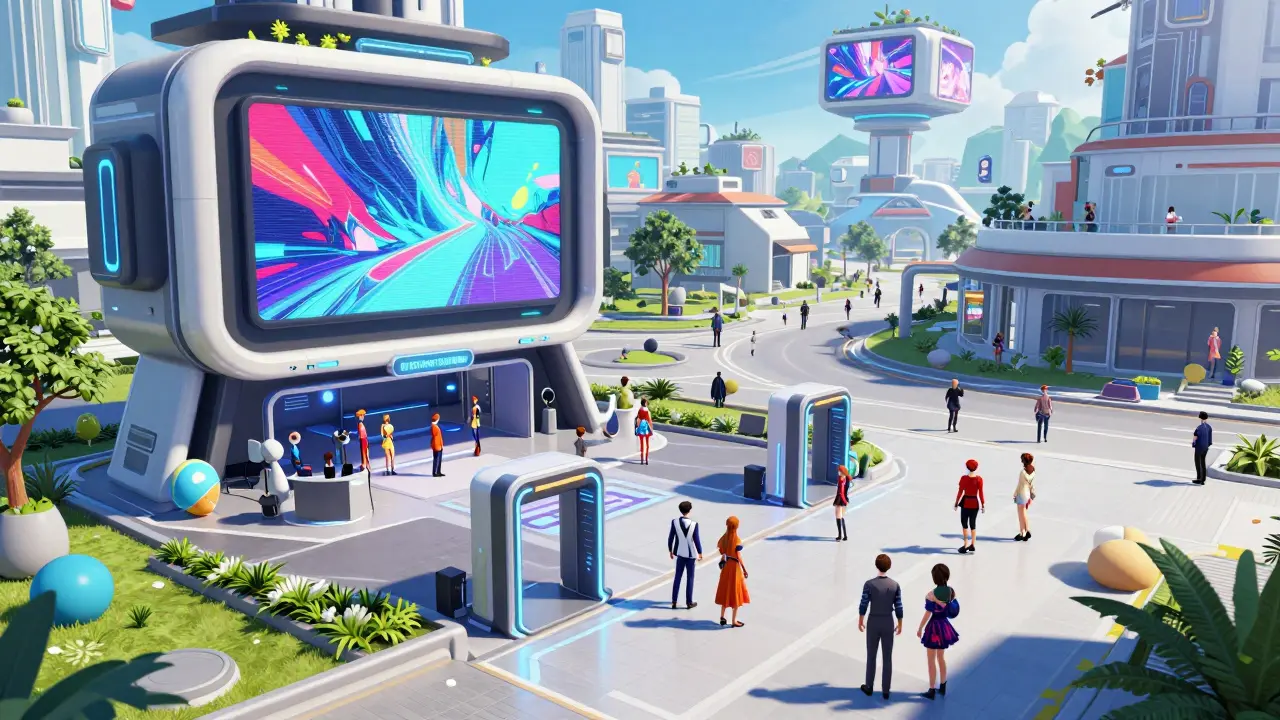
Monetization Strategies: Making Money from Digital Dirt
Owning land doesn’t pay bills. You need a monetization strategy. Here are the four most proven ways to generate revenue from metaverse real estate in 2026.
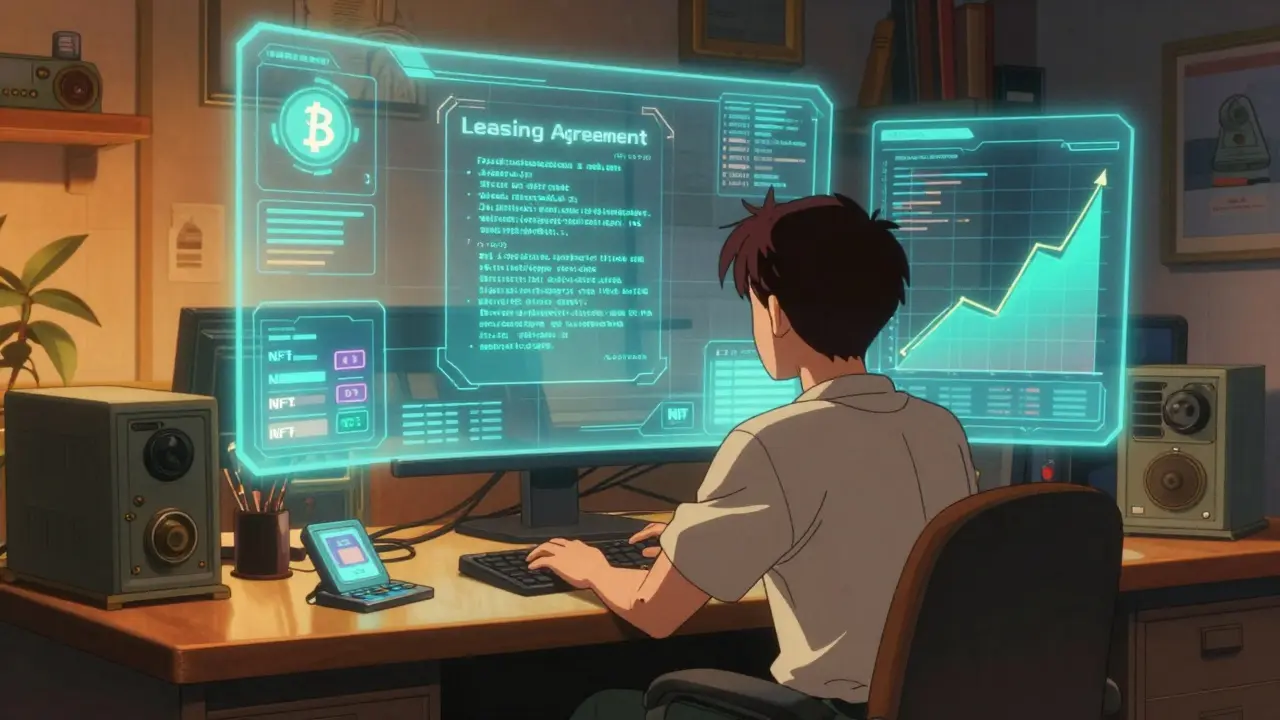
1. Leasing and Rentals The simplest approach is to rent your land to other users or businesses. Small creators who can’t afford to buy land can lease a parcel for a month to host an event or display art. You set the terms, collect payment in native tokens, and retain ownership. This provides steady cash flow without the hassle of active management.
2. Event Hosting and Ticketing If you develop your land into a venue-a concert hall, conference center, or casino-you can charge admission. Many platforms allow you to sell tickets as NFTs or require a token fee to enter. Successful events can generate thousands of dollars in revenue per night. The key is marketing; you need to bring the crowd.
3. Advertising and Brand Partnerships Your land is a billboard. Companies are always looking for new places to reach Gen Z and crypto-native audiences. You can sell ad space on your buildings or partner with brands to co-create experiences. For example, a fashion brand might sponsor a virtual runway show on your property. This is often the highest-margin revenue stream if you have high-traffic land.
4. Selling Digital Goods and NFTs Turn your property into a storefront. Sell custom avatar wearables, digital art, or access passes to exclusive clubs. Since transactions happen on-chain, you keep a larger cut compared to traditional e-commerce platforms. This works best if you have a niche audience or unique creative assets.
Risks and Red Flags: Protecting Your Capital
Let’s be honest: metaverse real estate is risky. It combines the volatility of cryptocurrency with the uncertainty of emerging technology. Here is what could go wrong and how to mitigate it.
Platform Dependency Risk This is the biggest danger. If Decentraland loses popularity, your MANA-denominated land loses value. There is no “interoperability” yet that lets you take your Decentraland mansion and move it to The Sandbox. Diversify your holdings across multiple platforms if possible, or focus on platforms with strong governance and active development teams.
Market Volatility Land prices are quoted in crypto tokens. If the price of SAND drops by 50%, your land’s USD value drops by 50%, even if the demand for the land itself hasn’t changed. Always hedge by holding some stablecoins or fiat to cover gas fees and potential downturns.
Regulatory Uncertainty Governments are still figuring out how to tax and regulate virtual assets. In 2026, we are seeing clearer guidelines in regions like the EU and parts of Asia, but rules change. Keep detailed records of every transaction for tax purposes. Treat capital gains on virtual land seriously.
Technical Bugs and Hacks Smart contracts can have vulnerabilities. While rare, hacks do happen. Only use reputable marketplaces and verify contract addresses before signing transactions. Never share your private keys.
Step-by-Step: How to Make Your First Purchase
Ready to dive in? Follow this checklist to ensure a smooth first transaction.
- Set Up a Web3 Wallet: Download MetaMask or Phantom. Secure your seed phrase offline. This is your bank account for the metaverse.
- Fund Your Wallet: Buy ETH or the specific platform token (MANA/SAND) from a reputable exchange like Coinbase or Binance. Transfer it to your wallet address.
- Choose Your Platform: Decide based on your goals. Social? Go Decentraland. Gaming? Go The Sandbox.
- Research Listings: Visit the official marketplace. Filter by price, size, and location. Use tools like DappRadar to check recent sales history.
- Verify the Contract: Ensure the NFT is from the official land contract. Scammers sometimes create fake “land” tokens.
- Execute the Swap: Connect your wallet to the marketplace. Review the gas fees (transaction costs). Confirm the purchase. The land will appear in your wallet as an NFT.
- Claim and Develop: Log into the metaverse world. Claim your land. Start planning your build or list it for rent immediately to offset costs.
The Future Outlook: Is It Worth It?
The metaverse is not going away, but it is maturing. The hype cycle has cooled, leaving behind serious builders and investors. By 2028, analysts predict a compound annual growth rate of over 30% in the broader metaverse economy. This suggests that early adopters who focus on utility and community-not just speculation-will find opportunities.
Investing in metaverse real estate today is similar to buying internet domain names in the 1990s. Most domains were worthless, but the right ones became valuable assets. You won’t get rich overnight. But if you treat it as a long-term digital real estate portfolio, focusing on prime locations and active development, you can position yourself at the forefront of the next evolution of the internet.
Can I really own land in the metaverse?
Yes, but with caveats. You own a Non-Fungible Token (NFT) that represents the rights to use and develop that specific plot of virtual land within a particular platform. You do not own the platform itself, and if the platform shuts down, your ownership rights may become void.
What is the cheapest way to start investing in virtual real estate?
Look for smaller plots in emerging districts of established platforms like Decentraland or The Sandbox. Alternatively, consider fractional ownership platforms that allow you to buy a percentage of a high-value estate. This lowers the entry barrier and reduces risk.
How do I make money from metaverse land?
You can generate revenue by leasing the land to other users, hosting ticketed events, selling advertising space to brands, or running a virtual store selling NFTs and digital goods. Active development significantly increases earning potential.
Is metaverse real estate a good investment in 2026?
It depends on your risk tolerance. The market is less volatile than in 2021, but it remains speculative. It is a good investment if you believe in the long-term growth of VR and blockchain technologies and are willing to actively manage your assets. It is not suitable for passive, low-risk investors.
What happens if the metaverse platform goes bankrupt?
If a centralized aspect of the platform fails, the service may stop working. However, because land is owned as an NFT on a public blockchain, the token itself remains in your wallet. Its value, however, may drop to zero if there is no functioning world to use it in. This is why choosing platforms with decentralized governance is crucial.