
Karura Swap LP Earnings Calculator
Calculate Your Earnings
Estimate your potential returns from providing liquidity on Karura Swap.
Estimated Earnings
Swap Fees: $0.00
Stability Rewards: $0.00
Total Earnings: $0.00
Important: These are estimates based on current market conditions. Actual earnings may vary due to market volatility and protocol changes. Always review risks before providing liquidity.
Key Takeaways
- Karura Swap is the native AMM‑styled DEX of the Kusama network, offering cross‑chain trading, low fees and flexible fee payment.
- Liquidity providers earn both swap fees and a share of the kUSD stability‑fee rewards.
- The platform is built on Substrate, is EVM‑compatible, and supports native Kusama, Polkadot and ERC‑20 tokens.
- Traffic data shows modest user adoption - under 1,000 monthly visits - positioning it as a niche DeFi hub.
- Regulation is nonexistent; users keep full custody, so smart‑contract risk and market volatility remain the main concerns.
What is Karura Swap?
When you hear the name Karura Swap a decentralized exchange built on the Kusama network, you’re looking at the trading engine of Kusama the canary network for Polkadot. Developed by Acala the team behind the Polkadot DeFi suite, Karura Swap launched as part of a broader DeFi hub that includes staking, lending and a native stablecoin called kUSD a dollar‑pegged token on Karura.
The exchange works like any automated market maker (AMM): users deposit token pairs into liquidity pools, and the smart contract algorithm determines prices based on pool balances. Because it lives on Substrate the modular blockchain framework behind Polkadot and Kusama, Karura Swap can interoperate with both Kusama and Polkadot assets while also supporting Ethereum‑compatible ERC‑20 tokens through its EVM‑compatible environment.
How the AMM Model Works on Karura Swap
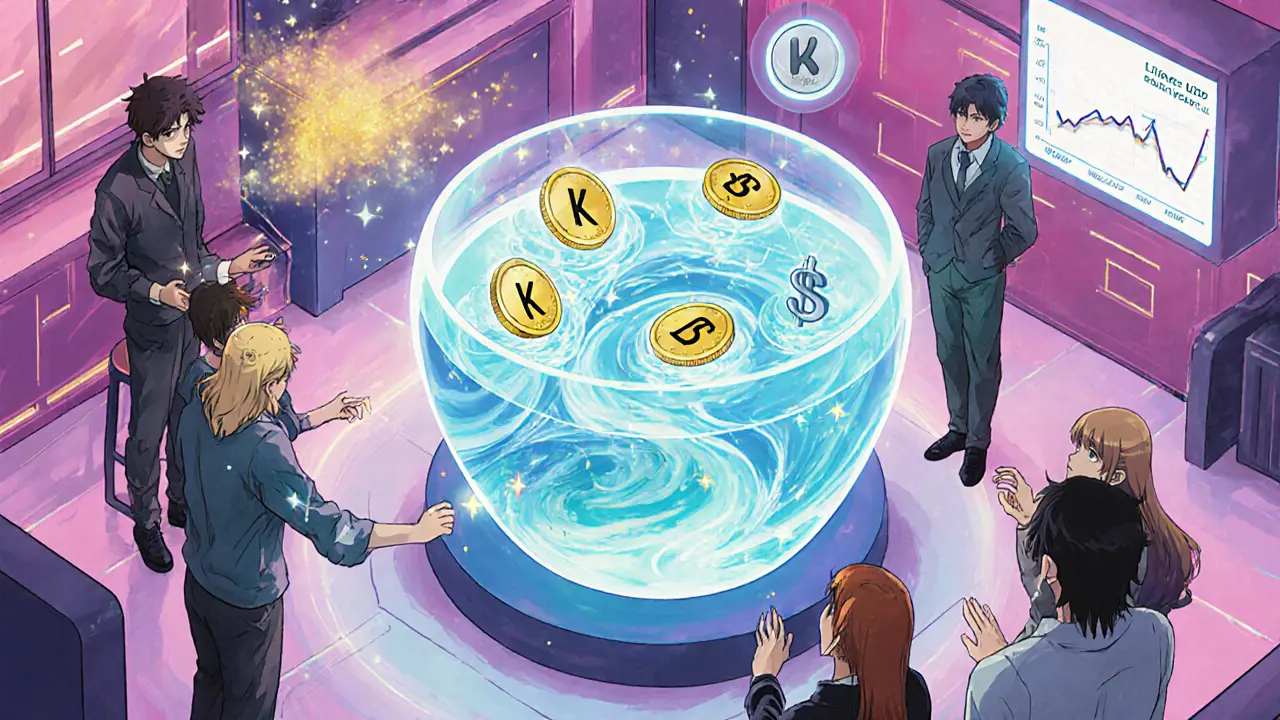
At its core, Karura Swap follows the constant‑product formula (x·y = k) that powers most AMMs. When you add liquidity, you receive a liquidity token that represents your share of the pool. Every trade nudges the price curve, and the protocol charges a tiny fee (usually 0.3% unless a pool opts for a custom rate). What’s unique here is that the fee can be paid in any token you hold - a feature the team calls “flexible fee payment”.
The platform also runs a bootstrapping phase for each new pool. During bootstrapping, early contributors set an initial price range, preventing extreme slippage for first‑time traders. After the pool stabilises, the price discovery becomes fully automated.
Supported Tokens and Cross‑Chain Compatibility
Karura Swap’s token list is deliberately broad:
- Native Kusama assets like LKSM liquid staking token for KSM.
- Polkadot assets (DOT, stablecoins, etc.).
- ERC‑20 tokens such as USDC, USDT, and many DeFi project tokens.
Cross‑chain swaps are executed via Karura’s underlying bridge mechanisms, meaning you can move value from Polkadot to Kusama without leaving the DEX. This design mirrors the “cross‑chain interoperability” promise of the Substrate ecosystem.
Earning Opportunities Beyond Simple Swaps
Liquidity providers (LPs) earn two reward streams:
- Standard swap fees collected from every trade in the pool.
- A share of the stability fee generated by the kUSD protocol. The protocol periodically distributes part of the fee pool to LPs, boosting yields.
In addition to LP rewards, Karura offers a liquid staking solution for KSM holders. By staking KSM and receiving LKSM, users keep their liquidity available for other DeFi actions - a clear upgrade over traditional, lock‑up‑only staking.
The platform also supports over‑collateralised borrowing: users can lock crypto assets and borrow kUSD at a variable interest rate. Lenders earn interest directly from the borrowing pool, creating yet another passive income path.
Fees, Gas Costs, and Payment Flexibility
Karura Swap’s transaction fee is typically 0.3%, but the network’s gas model is ultra‑cheap because Kusama’s block‑production time is fast and fees are paid in any token. For example, a user swapping DOT for kUSD might pay the fee in DOT, while a wallet holding only USDC can cover the fee with USDC. This flexibility lowers friction for newcomers who might not have native KSM on hand.
Security, Audits, and Regulatory Landscape
As a fully decentralized protocol, Karura Swap has no central authority and therefore no traditional regulator overseeing it. Users retain full custody of their assets, interacting directly with immutable smart contracts.
The codebase has been audited by several third‑party firms (including Kudelski Security and ChainSecurity) as part of Acala’s broader security bounty program. Nonetheless, the DeFi space remains high‑risk: smart‑contract bugs, oracle manipulation, or emergent economic attacks can still happen. Users should always double‑check contract addresses and consider using hardware wallets.
Traffic, Adoption, and Market Position
According to FxVerify’s latest data, Karura Swap receives roughly 972 monthly visits, with 99% coming organically. The bounce rate sits at 35% and the average session lasts just over a minute. In the crowded DEX landscape, those numbers place Karura around the middle tier - far below giants like Uniswap or PancakeSwap but respectable for a niche Kusama‑focused product.
The modest traffic aligns with Karura’s target audience: developers, crypto‑savvy traders, and Polkadot/Kusama enthusiasts who need on‑chain liquidity rather than mass‑market exposure.
Pros, Cons, and How It Stacks Up
| Pros | Cons |
|---|---|
| Low gas fees; fee can be paid in any token. | Limited brand awareness; traffic below 1K monthly visits. |
| Cross‑chain support for Kusama, Polkadot, and ERC‑20. | Not regulated - higher compliance risk for institutional users. |
| Liquidity mining + kUSD stability‑fee rewards. | Smart‑contract risk remains; audits are periodic. |
| Liquid staking via LKSM keeps assets usable. | Interface can feel technical for beginners. |
Future Outlook and Roadmap
The Karura team plans to roll out several upgrades through 2025:
- Enhanced UI/UX aimed at reducing the learning curve for first‑time DeFi users.
- Integration with upcoming parachains on Kusama, expanding asset coverage.
- Additional reward programs that combine LP fees with token‑incentive emissions.
- Further stability‑fee optimization for the kUSD stablecoin, making borrowing cheaper.
Analysts from LiteFinance, TradingBeasts and Wallet Investor project the native KAR token to hover around $0.023 by the end of 2025, although the range spans $0.021-$0.025 depending on market sentiment. Such modest price expectations suggest that most users are drawn to utility rather than speculative upside.
Getting Started - A Quick Walkthrough
- Connect a wallet that supports Kusama (e.g., Polkadot.js, Fearless, or MetaMask with the Karura network added).
- Transfer KSM or any ERC‑20 token to your wallet.
- Navigate to the Karura Swap UI and select the pair you want to trade.
- Confirm the transaction - the fee will be deducted from the token you’re swapping.
- If you wish to provide liquidity, click ‘Add Liquidity’, deposit the two assets, and receive LP tokens.
- Stake your LP tokens in the farming module to start earning swap fees plus kUSD stability‑fee rewards.
Remember to keep a small amount of KSM for transaction fees on the Kusama network.

Bottom Line
Karura Swap isn’t trying to be the next Uniswap; it’s a purpose‑built DEX for the Kusama ecosystem, delivering low‑cost, cross‑chain swaps, liquid staking, and a dual‑reward model. Its modest traffic reflects a niche but dedicated user base. If you’re already in the Polkadot/Kusama space and want a DeFi playground that lets you earn while you trade, Karura Swap is worth a serious look. Just keep an eye on smart‑contract risk and the ever‑volatile crypto market.
Is Karura Swap regulated?
No. Karura Swap operates as a fully decentralized protocol without any government or financial regulator overseeing it. Users maintain full custody of their assets.
What tokens can I trade on Karura Swap?
The DEX supports native Kusama tokens (KSM, LKSM), Polkadot assets, and any ERC‑20 token via its EVM‑compatible layer. Cross‑chain swaps are handled through built‑in bridges.
How do I earn rewards as a liquidity provider?
LPs receive a share of the 0.3% swap fee plus a portion of the stability‑fee generated by the kUSD protocol. Rewards are claimable through the farming dashboard.
Can I pay transaction fees with any token?
Yes. Karura Swap lets you cover the network fee using any token in your wallet, not just the native KSM.
What’s the future roadmap for Karura Swap?
Planned upgrades include a more user‑friendly UI, deeper integration with new Kusama parachains, expanded reward programs, and further optimization of the kUSD stability‑fee mechanism.


