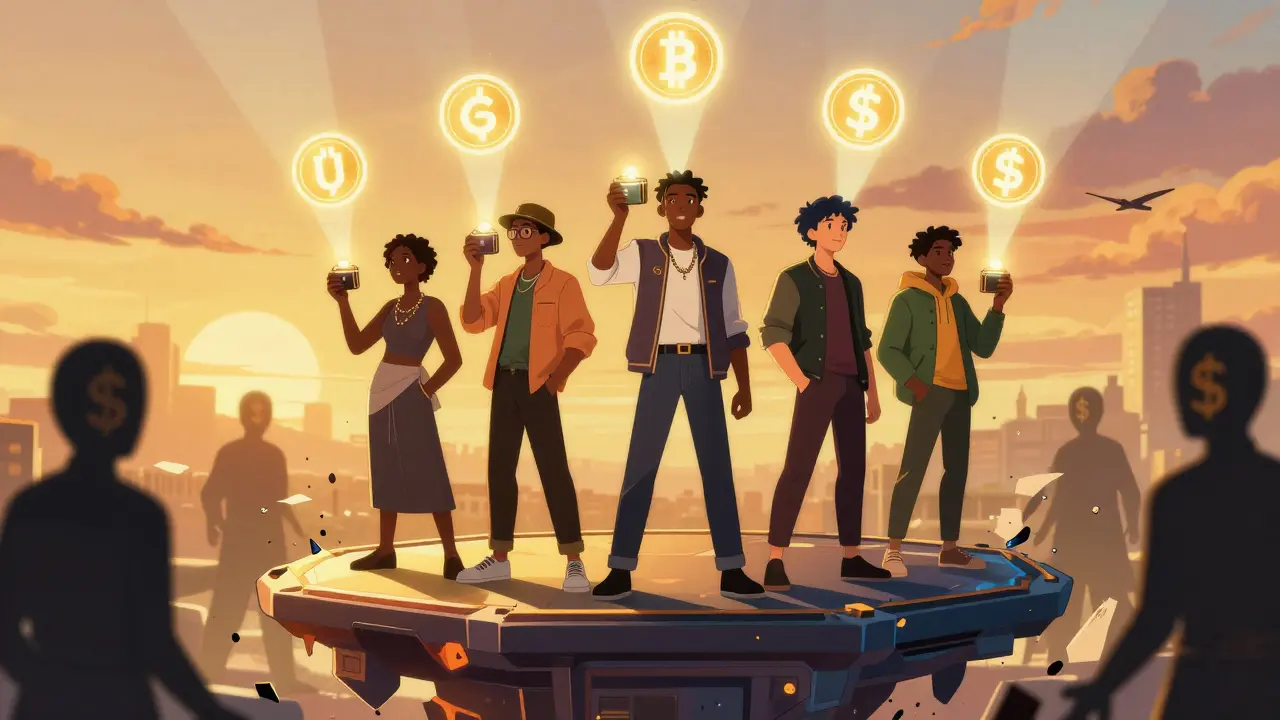
For years, creators have been stuck in a broken system. You spend months making content-videos, music, art, writing-and then a platform takes nearly half your earnings. PayPal freezes your payments. Banks reject international transfers. You’re told you don’t qualify for payouts because you’re from Nigeria, Indonesia, or Brazil. It’s not just unfair-it’s systemic. But now, something different is happening. Cryptocurrency is giving creators back control. Not as a gimmick. Not as a trend. As a real, working alternative to broken financial gatekeepers.
Creators Are Losing Money to Middlemen
Think about how you get paid. If you’re on YouTube, the platform keeps 45% of your ad revenue. Patreon takes 5-12% plus payment processing fees. Stripe and PayPal charge 2.9% + $0.30 per transaction. For a creator earning $2,000 a month, that’s $100-$300 gone just in fees. And that’s if the money even gets through. In countries like Nigeria, Kenya, or Indonesia, it’s worse. Traditional banks often block crypto-related payments. PayPal doesn’t operate in 70+ countries. International transfers take days. Currency conversion eats another 5-10%. One creator in Lagos told me she waited 17 days to get paid by a client in Germany. When the money finally arrived, $180 was gone in fees and delays. She lost nearly 20% of her hard-earned income. This isn’t just about convenience. It’s about survival. For millions of creators outside the U.S. and Europe, the old system isn’t broken-it’s designed to exclude them.Cryptocurrency Removes the Gatekeepers
Cryptocurrency changes that. No bank. No platform middleman. No country restrictions. If you have a smartphone and an internet connection, you can get paid. Directly. Instantly. From anyone, anywhere. Take Zora, a blockchain platform built for creators. It doesn’t just let you sell art or music-it lets you own your audience. When someone buys your NFT or token, you get paid in crypto, and 50% of all trading fees go straight back to you. Compare that to YouTube’s 55% cut. Or Instagram’s bonus program, which only pays a tiny fraction of creators and requires you to jump through hoops just to qualify. In Jakarta, a digital artist named @DigitalDewi switched from PayPal to crypto payments. Before, she lost 4.5% in fees plus Indonesia’s 11% VAT on foreign payments. After switching to USDC (a stablecoin pegged to the U.S. dollar), her take-home pay jumped 37%. No middlemen. No hidden taxes. Just the money she earned. This isn’t rare. In Kenya, 87% of creators who use crypto say they’re satisfied. In the U.S. and Europe, that number drops to 42%. Why? Because for creators in emerging markets, crypto isn’t optional-it’s essential.Stablecoins Make Crypto Practical
You might hear people say, “Crypto is too volatile.” And yes, Bitcoin and Ethereum swing wildly. But that’s not what creators use. Most creators now use stablecoins-digital dollars that don’t jump up and down. USDC and USDT make up 85% of all creator payments. They’re as stable as your bank account, but they move like crypto: fast, global, and cheap. A creator in São Paulo can receive $500 in USDC from a fan in Canada. In under a minute. No bank approval. No currency conversion. No delays. She can then cash out to local reais through a simple app, or hold it as savings. No one needs to know she’s using crypto. It just works. Platforms like Zora and Coinbase Commerce now auto-convert 80% of incoming crypto into USDC. You don’t need to understand blockchain. You just need to know how to copy-paste a wallet address.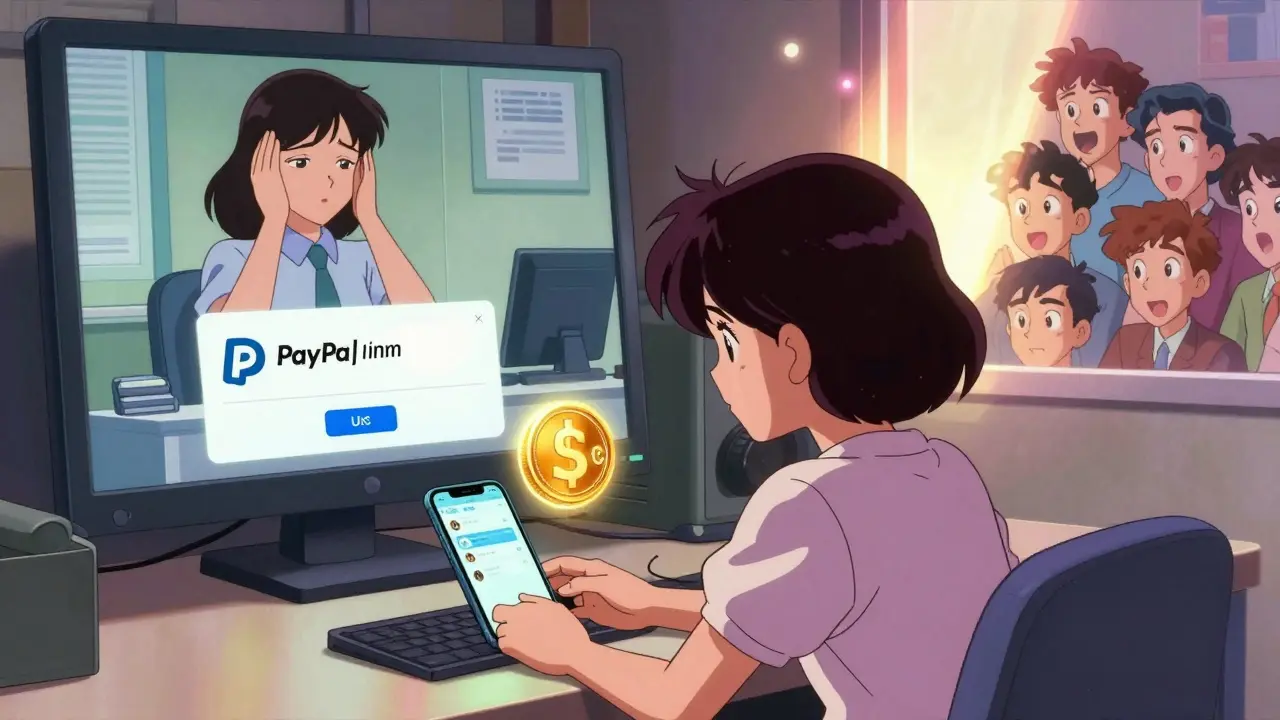
Wallets Are Easier Than Ever
A few years ago, setting up a crypto wallet meant downloading an app, writing down 12 secret words, and praying you didn’t lose them. It felt like handling a nuclear code. Now? It’s like setting up a new app. MetaMask and Coinbase Wallet work on your phone. You sign up with your email. You get a wallet address. You add it to your Linktree, your Instagram bio, your website. Done. You don’t need to know what a blockchain is. You don’t need to mine. You don’t need to trade. You just need to accept payments. And over 63% of creators now use MetaMask. That’s more than the number of people who use Venmo. The learning curve? Most creators say it takes 8-12 hours to get started. That’s less time than it takes to set up a Shopify store. And once you do, you’re free from the platforms that used to own you.It’s Not Perfect-But It’s Better
Let’s be real. Crypto isn’t magic. There are still problems. Sometimes, gas fees spike. A transaction might cost $2 instead of $0.15. Wallet recovery is still tricky-if you lose your password or seed phrase, your money is gone forever. And yes, some banks still freeze accounts if they see crypto deposits. One creator in Germany lost €2,000 in ETH because her bank flagged it as “suspicious.” She spent three months arguing with customer service. She eventually gave up. But here’s the thing: these problems are being solved. Ethereum’s Dencun upgrade, coming in late 2025, will slash transaction fees by 90%. Coinbase offers 24/7 chat support. Zora integrates with Shopify. Patreon is rolling out stablecoin payouts in early 2026. And for creators in places where banks won’t serve them? The trade-off is worth it. Even with the risks, crypto gives them access to the global economy for the first time.Who’s Winning? The Global South
The biggest shift isn’t happening in New York or London. It’s in Lagos, Jakarta, Mumbai, and São Paulo. Africa’s creator economy was worth $5 billion in early 2025. By 2032, it’s projected to hit $30 billion. Why? Because blockchain lets creators bypass the banks that refused them. No account? No problem. No credit card? Still fine. No government approval? Doesn’t matter. A Nigerian musician released a track as an NFT. He sold 1,200 copies in 48 hours. Each copy cost 0.05 ETH-about $150. He earned $180,000. In Nigeria, that’s enough to quit your day job. In the U.S., it’s a nice side hustle. But here, it’s life-changing. Fortune 500 companies are taking notice. 47% now run creator marketing campaigns that include crypto payments. They’re not doing it because it’s trendy. They’re doing it because creators in emerging markets are more productive, more loyal, and more engaged when they’re paid fairly.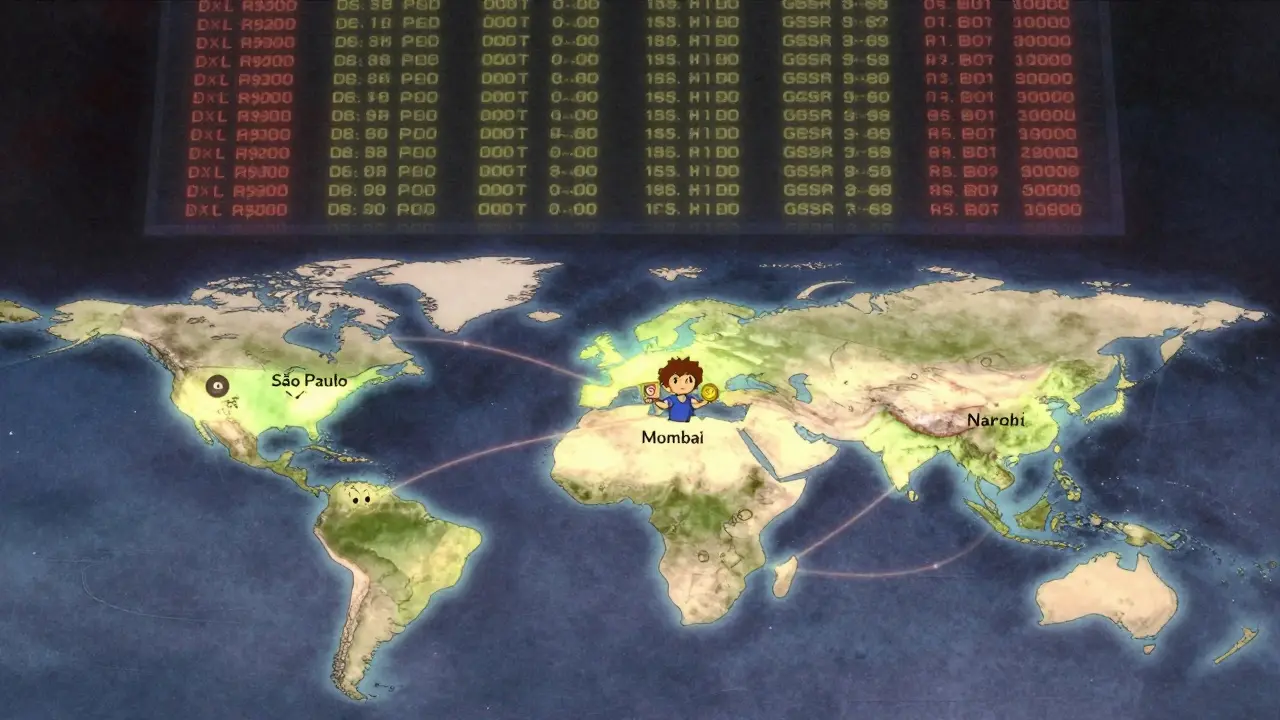
What You Can Do Today
You don’t need to become a blockchain expert. You don’t need to launch an NFT collection. You just need to start accepting crypto. Here’s how:- Download MetaMask or Coinbase Wallet on your phone.
- Set it up with your email. Write down your recovery phrase. Store it somewhere safe.
- Go to Coinbase Commerce or Zora and connect your wallet.
- Copy your crypto address and add it to your website, Instagram bio, or YouTube description.
- Start with USDC. It’s stable. It’s simple. It’s everywhere.
- Let your fans know: “I now accept crypto payments. No fees. No delays.”
The Future Isn’t Either/Or-It’s Both
Cryptocurrency won’t kill PayPal or Stripe. But it will make them obsolete for a growing number of creators. The future isn’t “crypto or traditional.” It’s “crypto and traditional.” A creator in Canada might use PayPal for local fans and crypto for international ones. A musician in India might use UPI for domestic sales and USDC for global fans. That’s not chaos-it’s flexibility. By 2027, Gartner predicts 65% of professional creators will accept cryptocurrency. Not because they have to. But because they can. And when you can choose, you choose freedom.Ownership Is the Real Power
The biggest shift isn’t about money. It’s about ownership. On YouTube, your channel belongs to Google. On Instagram, your followers belong to Meta. If they change the algorithm, ban you, or shut you down-you lose everything. With crypto, your audience is yours. Your tokens, your NFTs, your community-they live on the blockchain. Not on a server owned by a corporation. On a public, unchangeable ledger. You can move your audience from one platform to another. You can sell directly. You can build your own store. You can let fans own a piece of your work. And no one can take that away. That’s not just better payments. That’s a new kind of economy. One where creators aren’t tenants. They’re owners.Can I really get paid in crypto if I live in a country with strict financial rules?
Yes. Countries like Nigeria, Kenya, Indonesia, and Brazil have seen massive adoption because crypto bypasses local banking restrictions. Even if your government limits forex or blocks PayPal, crypto payments arrive directly to your wallet. You can then cash out through local exchanges or peer-to-peer apps like Paxful or LocalBitcoins. Many creators in these regions now earn more through crypto than they ever did with traditional platforms.
Do I need to understand blockchain or coding to use crypto payments?
No. You don’t need to know how blockchain works. You just need to copy a wallet address and paste it into your bio. Platforms like Coinbase Commerce and Zora handle the technical side. Your fans pay with crypto. You get paid in stablecoins. It’s as simple as sending an email. Most creators set it up in under an hour after watching a 10-minute tutorial.
What happens if I lose my crypto wallet?
If you lose your private key or recovery phrase, you lose access to your funds-permanently. There’s no “forgot password” button. That’s why writing down your 12-word recovery phrase and storing it in a safe, offline place is critical. Many creators use metal backup plates or encrypted USB drives. Never store it on your phone or in the cloud. Treat it like a house key you can’t replace.
Are crypto payments taxed differently?
Yes. In most countries, receiving crypto is treated as income. When you convert it to fiat (like USD or EUR), you may owe capital gains tax. But many creators avoid this by converting immediately to stablecoins like USDC, which are pegged to the dollar and don’t fluctuate in value. Tools like Koinly or CryptoTaxCalculator help track this automatically. Always consult a local tax advisor familiar with crypto.
Is crypto just for artists and musicians?
No. Writers, coders, designers, coaches, educators, and even podcasters are using crypto payments. Any creator who builds an audience and sells access, content, or services can benefit. A language tutor in Manila gets paid in USDC by students in Germany. A tech writer in Mexico sells a digital guide as an NFT to readers in Canada. The tools work for any type of creative work.
Will crypto replace PayPal and Stripe?
Not entirely. But it will replace them for global creators, especially in regions where traditional payments fail. Crypto won’t disappear-it’ll become one of several options. Just like you might use Venmo for friends and credit cards for stores, creators will use crypto for international clients and traditional systems for local ones. The difference? Crypto gives them choice. And choice is power.
Creators have spent decades begging for fair pay. Now, they don’t need to ask. They just need to connect their wallet.


