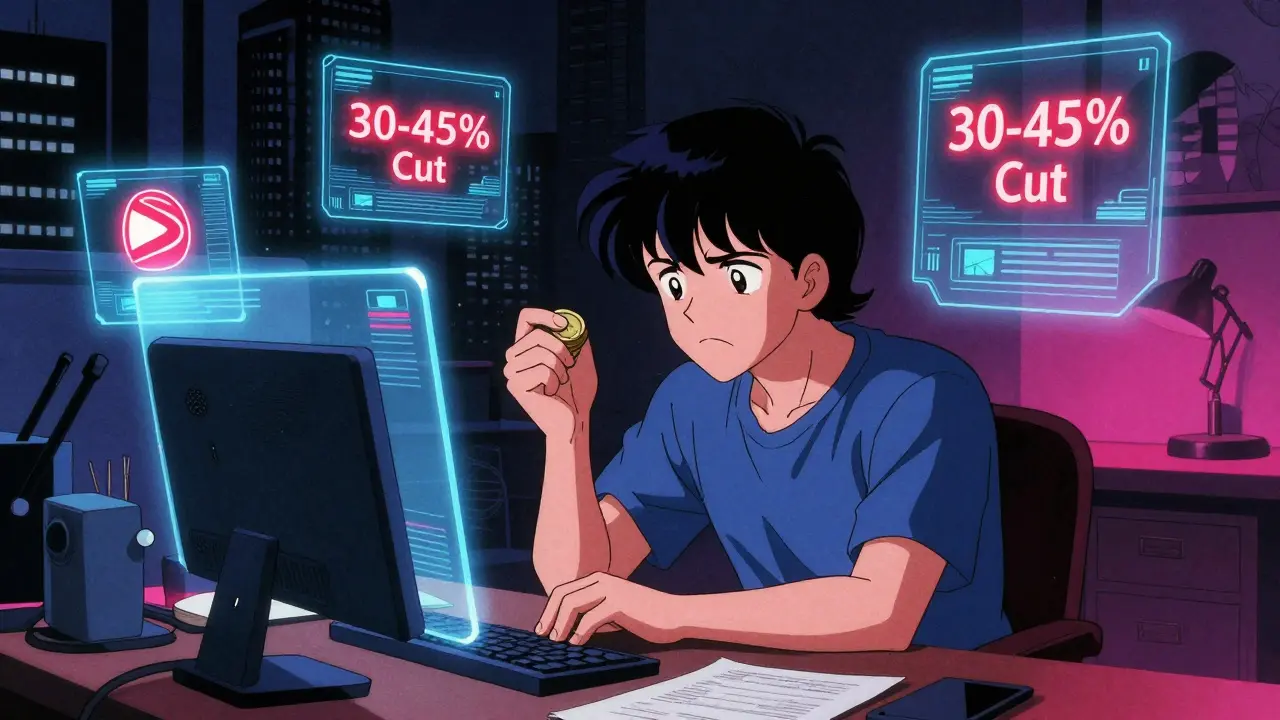
Traditional streaming services take a huge cut of your earnings. Blockchain streaming platforms are changing that by cutting out the middleman and letting you keep nearly all your revenue.
Why Traditional Streaming Leaves You Broke
You’ve probably noticed it before. You spend hours creating content, building an audience, and engaging with fans. Then you look at your payout. It’s not what you expected. On centralized platforms like Twitch or YouTube, the platform takes between 30% and 45% of your revenue. That’s money for servers, marketing, and executive salaries. You get the rest.
In 2026, this model feels increasingly outdated. The rise of blockchain streaming platforms offers a different path. These systems use decentralized networks to deliver video directly from users to viewers. No giant data center sits in the middle taking a toll. Instead, your community helps host the stream, and you keep almost all the income.
The math is simple. If you earn $100 on a traditional platform, you might see $60. On many blockchain platforms, you see $90 or more. That extra cash adds up fast, especially if you have a loyal following.
How Decentralized Video Actually Works
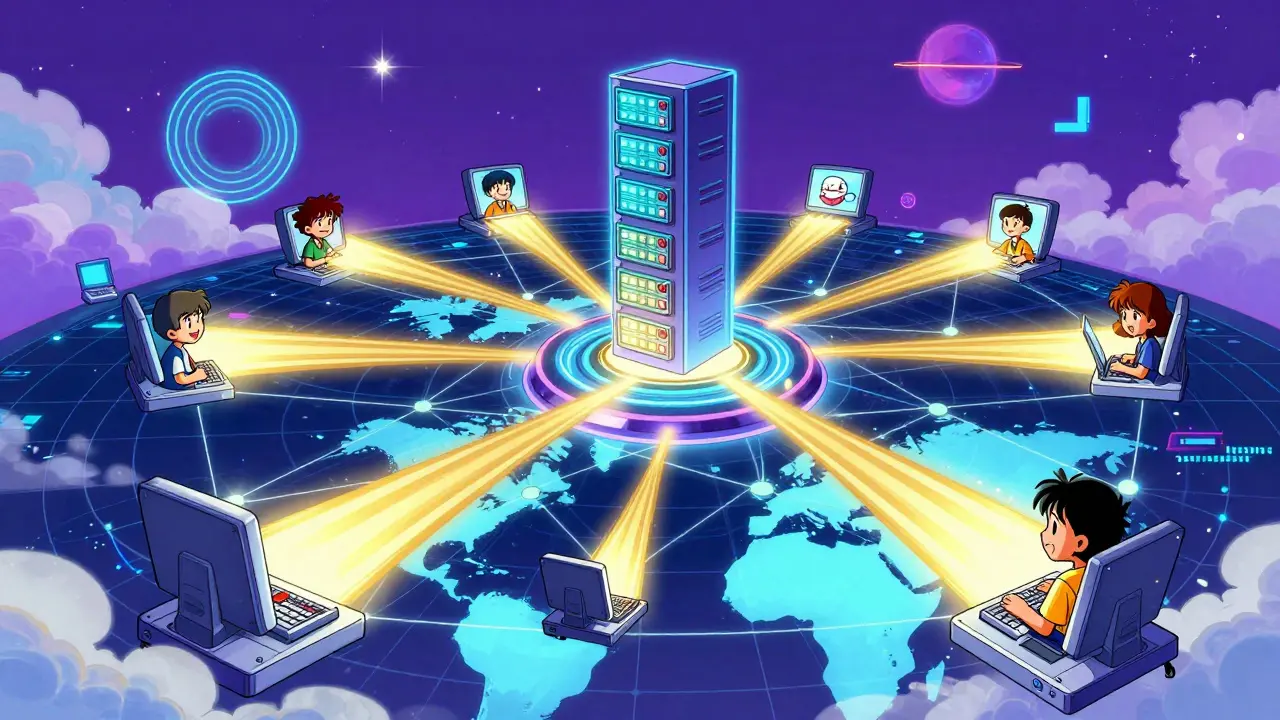
It sounds complicated, but the core idea is peer-to-peer sharing. Think of it like BitTorrent, but optimized for live video. When you stream, your video chunks don’t go to a single server owned by a corporation. They spread across a network of nodes-computers run by other users.
These node operators provide bandwidth and storage. In return, they earn cryptocurrency tokens. This creates a self-sustaining ecosystem. The more people watch and share the load, the cheaper the delivery becomes. According to Cisco’s 2024 CDN report, content delivery costs make up 20-30% of a streaming service’s budget. Blockchain platforms slash these costs by up to 10 times.
Theta Network is a prime example. It uses a dual-token system. THETA handles governance, while TFUEL pays for operations. Their edge caching system reduces costs by 30-50% compared to traditional CDNs. You don’t need to be a tech expert to understand the benefit: lower costs mean higher payouts for creators.
Top Platforms to Consider in 2026
Not all blockchain streams are the same. Some focus on gaming, others on music or enterprise video. Here’s how the major players stack up against each other.
| Platform | Primary Focus | Creator Revenue Share | Key Technology |
|---|---|---|---|
| Theta Network | General Video & Enterprise | Up to 90% | Dual-Token (THETA/TFUEL) |
| Livepeer | Live Transcoding Infrastructure | ~85-90% | Ethereum PoS Settlement |
| DLive | Gaming & Crypto Communities | 100% | Lino Blockchain |
| Audius | Music Streaming | High (varies) | Solana Migration |
Theta Network dominates the enterprise space. With partnerships involving Sony Pictures and Samsung, it processes over 1 billion video minutes monthly. It’s robust, reliable, and built for scale. If you’re a serious video creator looking for stability, Theta is a strong contender.
Livepeer focuses on the backend. It’s known for cost-effective live streaming infrastructure. Independent tests show it cuts operational costs by 90% compared to AWS MediaLive. It’s less about the front-end user experience and more about providing cheap, high-quality transcoding for developers and broadcasters.
DLive started early, launching in 2017. It retains 100% of earnings for creators. While its user base is smaller than Twitch’s, it appeals strongly to gamers and crypto enthusiasts who want total control over their income. However, be aware that token volatility can affect the real-world value of those earnings.
Audius changed the game for musicians. By moving to Solana in late 2023, it reduced transaction costs by 99.8%. Independent artists now earn significantly more per stream than on Spotify. If you make music, Audius is currently the best place to start.
The Hidden Costs and Challenges
It’s not all sunshine and free tokens. Blockchain streaming comes with hurdles you won’t face on traditional platforms.
First, there’s the learning curve. Setting up a wallet, buying tokens, and connecting to a node can take 2 to 8 hours for beginners. Documentation varies wildly. Livepeer scores high for clarity, while newer platforms often leave users guessing. You’ll need to learn basic blockchain concepts like gas fees and private key management.
Second, token volatility is real. DLive creators saw monthly income fluctuations of 30-70% in 2024 due to token price swings. You might earn more percentage-wise, but if the token crashes, your actual dollar amount drops. It’s crucial to diversify your income and not rely solely on one platform’s token.
Third, audience size matters. As of mid-2026, average blockchain streamers reach 50-200 viewers. On Twitch, that number is often 500-2,000. You’re trading potential reach for higher margins. If you’re just starting out, building a community from scratch on a blockchain platform requires more effort and patience.
Finally, regulatory uncertainty looms. The SEC has investigated several streaming tokens in 2025. While the EU’s MiCA framework provides some clarity, the US remains unpredictable. Always check the legal status of tokens in your jurisdiction before investing time or money.
Who Should Switch?
Not everyone needs to jump ship immediately. Blockchain streaming works best for specific types of creators.
- Independent Musicians: Audius offers better rates and direct fan connections without label interference.
- Niche Gamers: If your audience is already into crypto, DLive or similar platforms offer higher engagement and rewards.
- Educational Content Creators: Theta allows you to charge directly for premium content, keeping 90% of the fee.
- Tech-Savvy Developers: Livepeer provides powerful APIs for building custom streaming applications.
If you rely on mainstream discovery algorithms, you might struggle. Blockchain platforms lack sophisticated recommendation engines. DLive’s system achieves 35% lower engagement than Twitch’s because it doesn’t push content as aggressively. You must drive your own traffic via social media and community groups.
Setting Up Your First Stream
Ready to try it? Here’s a simplified roadmap.
- Choose a Platform: Pick based on your content type. Music? Audius. Gaming? DLive. General video? Theta.
- Create a Wallet: Use MetaMask or the platform’s native wallet. Secure your seed phrase offline. Never share it.
- Acquire Tokens: Buy small amounts of the required token (e.g., TFUEL, LINO) on an exchange. Transfer them to your wallet.
- Connect Your Software: Most platforms support OBS Studio. Follow their specific API keys and stream URL instructions.
- Test Your Setup: Run a private test stream. Check latency and audio sync. Adjust bitrate if needed.
- Go Live: Announce your stream on social media. Engage actively with early viewers to build momentum.
Expect friction. Wallet connection failures happen to 42% of new users. Don’t panic. Check your internet, restart your browser, and consult the community Discord. Support response times vary; Theta answers within 2 hours, while smaller platforms may take days.
The Future Looks Hybrid
We’re not seeing a total replacement of traditional streaming yet. Instead, we’re seeing convergence. YouTube introduced blockchain-verified stickers in 2025. Twitch tested NFT integrations. Forrester predicts 60% of blockchain platforms will adopt hybrid architectures by 2027.
This means you might soon stream on familiar interfaces while still benefiting from blockchain backend efficiencies. Theta’s planned "Enterprise CDN Hybrid" solution aims to blend the reliability of traditional CDNs with the cost savings of decentralized networks. It’s a smart move. It keeps the user experience smooth while fixing the economic brokenness.
For now, blockchain streaming remains a powerful tool for creators who value ownership and fairness over ease of use. If you’re willing to learn the ropes, the financial upside is significant. Just remember to manage your risks, secure your wallets, and build your community one viewer at a time.
Is blockchain streaming safe for my computer?
Yes, running a node or using a wallet is generally safe if you follow security best practices. Use hardware wallets for storing large amounts of tokens. Never enter your seed phrase on untrusted websites. Reputable platforms like Theta and Livepeer undergo regular security audits.
Do I need expensive hardware to stream on blockchain platforms?
Not necessarily. Theta requires only 2GB RAM and 50GB storage for edge nodes. Livepeer recommends 16GB RAM and an NVIDIA GPU for optimal transcoding performance, but basic streaming works on most modern computers. Check the specific platform’s requirements before upgrading.
Can I switch back to Twitch or YouTube later?
Absolutely. There are no long-term contracts locking you into blockchain platforms. You can stream simultaneously on multiple services using tools like OBS. Many creators use blockchain platforms for direct monetization while keeping traditional channels for broader discovery.
How do taxes work for crypto streaming earnings?
Taxes vary by country. In the US, crypto earnings are typically treated as property or income. You must track every transaction, including tips received and tokens earned from node operation. Consult a tax professional familiar with cryptocurrency regulations to ensure compliance.
Which blockchain streaming platform is best for beginners?
Theta Network is often recommended for beginners due to its comprehensive documentation and active support team. Audius is also user-friendly for musicians. Avoid platforms with poor documentation or inactive communities until you gain more experience with blockchain technology.


