
You’ve probably heard the phrase "if it’s too good to be true, it is." In the world of cryptocurrency, that rule applies doubly. You see a new platform popping up, maybe with a sleek interface or promises of high yields, and you wonder if it’s the next big thing or just another risky experiment. That’s exactly where BitSwap v3 sits right now. It’s not the massive giant like Binance or Coinbase; it’s a smaller, newer player tied to the BounceBit ecosystem. But should you trust your funds to it? Let’s look at the hard numbers and the reality on the ground as of mid-2026.
What Exactly Is BitSwap v3?
To understand BitSwap v3, you first need to understand its parent project. BounceBit is a blockchain protocol launched in 2024 that aims to bridge the gap between Bitcoin security and DeFi yield opportunities. Think of it as trying to make Bitcoin work harder for you without leaving the safety of its network. BitSwap v3 is the decentralized exchange (DEX) built specifically for this ecosystem.
Unlike traditional exchanges where a company holds your money, BitSwap v3 operates on-chain. This means trades happen directly between users via smart contracts. The platform was established in 2024, making it a relative newcomer in an industry that values longevity and track records. When a platform is this young, your biggest question shouldn’t be about features-it should be about liquidity and survival.
The Hard Truth About Liquidity and Volume
Liquidity is the lifeblood of any exchange. If there aren’t enough buyers and sellers, you can’t trade efficiently, or worse, you might get stuck with an asset you can’t sell. Here is where the data gets interesting-and concerning for some.
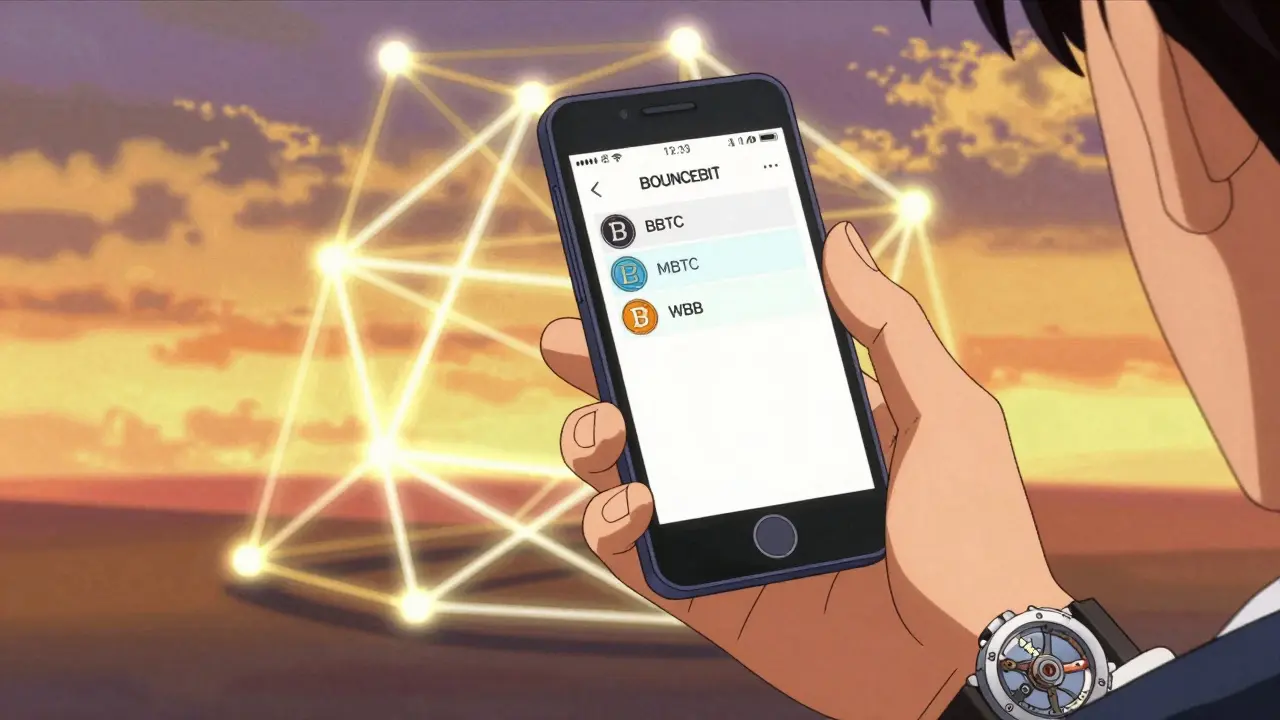
As of June 2026, BitSwap v3 reports a 24-hour trading volume of roughly $59,250. To put that in perspective, major exchanges process billions daily. Even mid-tier platforms handle millions. A drop of 17.5% from the previous day suggests volatility in user interest. More importantly, the exchange currently supports only three cryptocurrency coins across three trading pairs. The most active pair is BBTC/WBB, which involves wrapped Bitcoin and the native BounceBit token.
| Metric | BitSwap v3 | Avg. Top 100 DEX |
|---|---|---|
| Daily Volume | $59,250 | $10M - $500M+ |
| Supported Pairs | 3 | 50 - 500+ |
| Bid-Ask Spread | 0.606% | 0.01% - 0.1% |
| Margin Trading | No | Yes (Most) |
That 0.606% average bid-ask spread is significant. In simple terms, every time you buy and immediately sell, you lose about 0.6% of your value just due to the price difference. On larger exchanges, this cost is often ten times lower. For casual traders, this eats into profits quickly. For long-term holders who rarely trade, it matters less, but it still signals thin order books.

Who Is This Exchange Actually For?
Not every exchange needs to be the next Binance. Some serve niche communities. BitSwap v3 falls squarely into the "ecosystem specialist" category. It isn’t designed for someone wanting to trade Ethereum for Solana or buy Dogecoin. It is built for people deeply invested in the BounceBit narrative.
If you are holding BBTC (wrapped Bitcoin on BounceBit) or WBB (the governance token), this is likely your primary venue for swapping. The platform ranks in the 63rd percentile for volume among all crypto exchanges, meaning it performs better than many tiny, obscure DEXs, but it lags behind the leaders. Its orderbook depth sits at the 49th percentile, suggesting that while small trades execute easily, large orders could suffer from slippage-where your trade moves the price against you because there aren’t enough matching orders.
Security and Trust: What We Know
In crypto, security isn’t just a feature; it’s the product. Since BitSwap v3 is a decentralized exchange, it doesn’t hold your private keys. You connect your wallet, approve the transaction, and move on. This reduces the risk of a hack draining the exchange’s cold wallets, a common fear with centralized platforms.
However, smart contract risk remains. Every interaction with BitSwap v3 relies on code deployed on the blockchain. Has this code been audited by reputable firms? The current public data does not highlight specific audit reports from top-tier security companies. For a platform handling financial assets, the absence of visible, recent audit badges is a red flag worth noting. Always verify if the smart contracts have undergone third-party reviews before depositing significant capital.
The platform is tracked by CoinGecko, which provides a layer of legitimacy. Being listed there means it meets basic criteria for transparency and activity monitoring. However, tracking is not endorsement. FxVerify also lists the exchange, though detailed user sentiment data is scarce. The lack of extensive user reviews makes it hard to gauge customer support quality or interface usability beyond technical metrics.
Fees and Hidden Costs
One bright spot in the BitSwap v3 model is the fee structure. The platform operates without market-making fees. This means you don’t pay extra just for providing liquidity or being a maker/taker in complex ways. Instead, costs are primarily driven by the bid-ask spread mentioned earlier and standard blockchain gas fees.
Since BounceBit interacts with Bitcoin L2 solutions or bridged networks, transaction speeds and costs will vary based on network congestion. If you’re moving small amounts, the fixed percentage spread might outweigh the benefits. For larger positions, the lack of margin trading limits your ability to leverage trades, which is both a risk mitigator and a limitation depending on your strategy.
Should You Use BitSwap v3 in 2026?
Let’s cut through the noise. If you are a general crypto trader looking for diversity, low fees, and high liquidity, BitSwap v3 is probably not for you. The limited pairs and higher spreads make it inefficient for broad trading strategies.
However, if you are already part of the BounceBit ecosystem, holding BBTC or WBB, and need to swap within that specific environment, BitSwap v3 is your main option. It serves a functional purpose for niche participants. Just be aware of the costs. Do your due diligence on the smart contracts, start with small amounts to test the waters, and never invest more than you can afford to lose on a platform that is still finding its footing.
Is BitSwap v3 safe to use?
BitSwap v3 is a decentralized exchange, meaning you retain control of your funds until you execute a trade. However, safety depends on the security of its smart contracts. As of 2026, comprehensive public audit reports are not prominently featured, so users should exercise caution and verify contract integrity independently. It is safer than unregulated centralized exchanges regarding custody, but carries typical DeFi smart contract risks.
What tokens can I trade on BitSwap v3?
Currently, BitSwap v3 supports a very limited selection, primarily focused on the BounceBit ecosystem. The main trading pairs involve BBTC (wrapped Bitcoin) and WBB (BounceBit token). There are only three supported coins in total, making it unsuitable for trading major cryptocurrencies like ETH, SOL, or USDT outside of these specific pairs.
Why is the trading volume so low?
BitSwap v3 is a niche exchange launched in 2024, serving a specific blockchain ecosystem rather than the broader crypto market. With only three trading pairs, it naturally attracts less volume than general-purpose exchanges. A daily volume of ~$59k indicates it is used by a small, dedicated community rather than mass-market traders.
Does BitSwap v3 offer margin trading?
No, BitSwap v3 does not currently offer margin trading capabilities. It functions as a straightforward spot exchange for swapping assets within the BounceBit network. This limits advanced trading strategies but also reduces the complexity and risk associated with leveraged positions.
How do fees compare to other exchanges?
While BitSwap v3 has no explicit market-making fees, the effective cost of trading is higher due to a wide bid-ask spread of approximately 0.606%. Major exchanges often have spreads below 0.1%. Therefore, despite lacking named fees, you may end up paying more per trade on BitSwap v3 compared to larger, more liquid platforms.